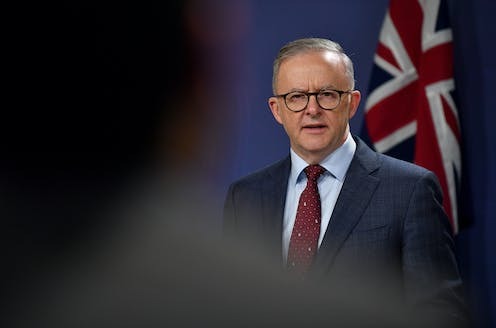
Australia’s Labor government will inject an additional A$1.8 billion into its energy bill relief scheme in Tuesday’s federal budget, aiming to ease cost-of-living pressures ahead of a likely May general election. Prime Minister Anthony Albanese announced the extension on Sunday, stating that households and one million small businesses will automatically receive A$150 in electricity rebates, spread across quarterly bills in 2025.
This move builds on the A$3.5 billion already allocated to reduce energy costs, with Treasury forecasting the extension could lower headline inflation by about 0.5% next year. The plan comes amid growing concerns over rising power prices, after the Australian Energy Regulator warned of up to a 9% surge in some eastern regions from July.
Albanese’s center-left Labor party is under pressure as living costs soar across the nation of 27 million. A February poll revealed declining public support and the lowest approval rating for Albanese since his 2022 election win. The opposition Liberal-National coalition, however, has stated it will not oppose the energy relief plan.
The budget will also include expanded support for first-time homebuyers, targeting housing affordability—another major driver of inflation and voter discontent. Though the election has not been officially announced, the government is clearly using fiscal measures to win back voters.
Meanwhile, the Reserve Bank of Australia remains cautious. Despite cutting interest rates in February for the first time in over four years, it warned that inflation remains a threat and further monetary easing is uncertain.
As the political landscape tightens, the Albanese government is banking on economic relief measures to regain voter confidence and keep inflation under control.