


 Trump Demands Powell Resign Over Fed Renovation Cost Overruns
  Gold Prices Fall Amid Rate Jitters; Copper Steady as China Stimulus Eyed
  Fed’s Williams Signals One More Rate Hike Before Year-End
  Australia Consumer Confidence Plunges as RBA Rate Hike Hits Households
  Best Gold Stocks to Buy Now: AABB, GOLD, GDX
  Fed’s Hammack Says More Data Needed Before Next Rate Move
  BlackRock’s Rick Rieder Favors Bonds Over Stocks as Treasury Yields Surge
  RBI Uses $10 Billion Currency Swaps to Drain Excess Rupee Liquidity
  FxWirePro: Daily Commodity Tracker - 21st March, 2022


 Add as a preferred source on Google
Market sentiment flip-flopped over the past two trading days. Disappointment on European Central Bank's (ECB) policy actions triggered a sharp selloff in UST and Eurozone sovereign bonds. Equity markets followed suit. By Friday, sentiment reversed. Nonfarm payrolls came in better than expected (actual: 211k, consensus: 200k) but this did not derail the bounce in equity markets. Moreover, USTs rallied even as the payroll numbers cemented expectations for Fed liftoff. 10Y UST yields are once again below 2.3%.
Liftoff at next week's FOMC meeting is highly anticipated with the market putting the probability in excess of 70%. However, given that this would be the first time the Fed will be aiming to raise short-term rates in a decade and in a period of excess reserves, some volatility is to be expected. Moreover, the relationships of the various USD rates are uncertain under this new monetary policy mechanism. Previously, the Fed funds rate serves as a floor to USD market rates. However, the interest on excess reserves (IOER) and the reverse repo rate are supposed to fulfill this role. It remains to be seen how Libors and repo (government security) rates will trade relative to these new policy rates once liftoff occurs.

- News

- Economy

- Central Banks
- Investing
- Research
- Roundups
- Digital Currency
- Insights
- Technical Analysis
- Technology
- Business
- Law
- Health
- Nature
- Fintech
- Science
- Topic
- Opinions
- ©Econometrics LLC . All Rights Reserved.
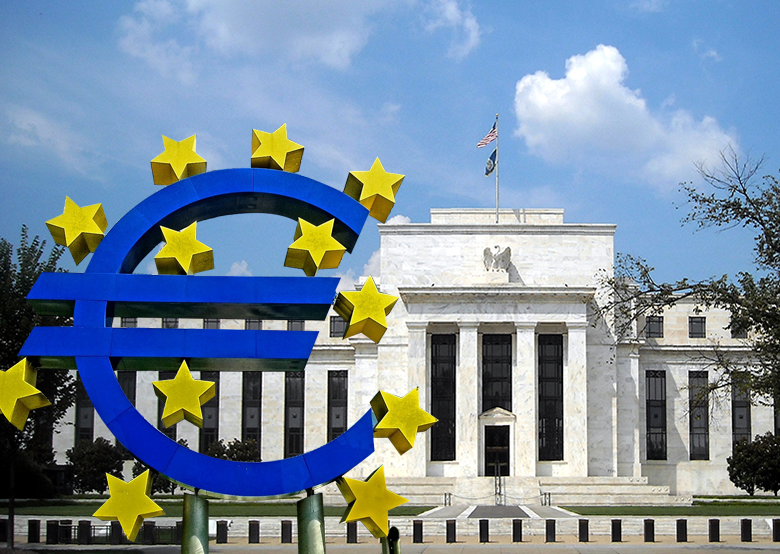
Looking past the ECB and unto the Fed
Monday, December 7, 2015 2:55 AM UTC
Editor's Picks



- Market Data
Most Popular




