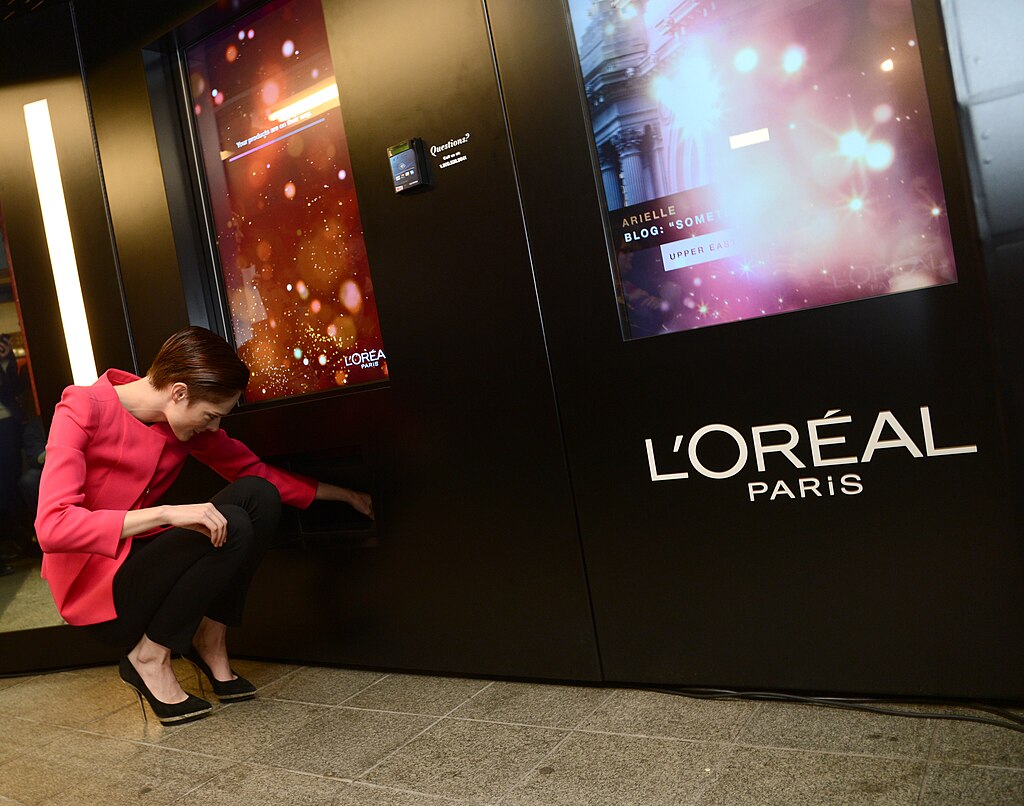
French beauty giant L’Oréal reported weaker-than-expected third-quarter growth, with North American performance weighing on results. However, the company noted encouraging signs of recovery in China’s luxury beauty market, offering a glimmer of optimism after two years of slowdown.
CEO Nicolas Hieronimus said the Chinese beauty market expanded by about 3% in the quarter—its first growth in two years—driven by improving consumer sentiment. “One quarter doesn’t make a trend, but overall, the market has turned positive,” he told analysts, adding that L’Oréal outperformed the broader luxury beauty segment in China.
From July to September, total sales rose 4.2% to €10.3 billion ($12.01 billion), falling short of the 4.9% growth forecast by Visible Alpha. Excluding the impact of a new IT system rollout, underlying growth matched expectations at 4.9%. Analysts from Jefferies called the results “a notable miss versus high expectations.”
L’Oréal’s recent growth slowdown follows post-pandemic inflation stabilization in Western markets and cautious spending in China, where consumers have increasingly turned to local brands. Hieronimus acknowledged the brand is still lagging in China’s mass-market beauty segment with lines such as L’Oréal Paris and Maybelline, but noted gains in U.S. makeup sales.
The company continues to focus on innovation and acquisitions, particularly in fragrances, one of the fastest-growing beauty categories. Fragrance sales, which surged 11% in the first half, slowed to around 6% in Q3.
L’Oréal also announced a $4.7 billion deal to acquire Kering’s beauty division, including future rights to Gucci Beautyonce its license with Coty expires in 2028. Hieronimus suggested Gucci could rival Yves Saint Laurent, which generates nearly €3 billion annually. He added that the deal won’t affect potential investment talks with Armani, which had previously named L’Oréal as a preferred partner.