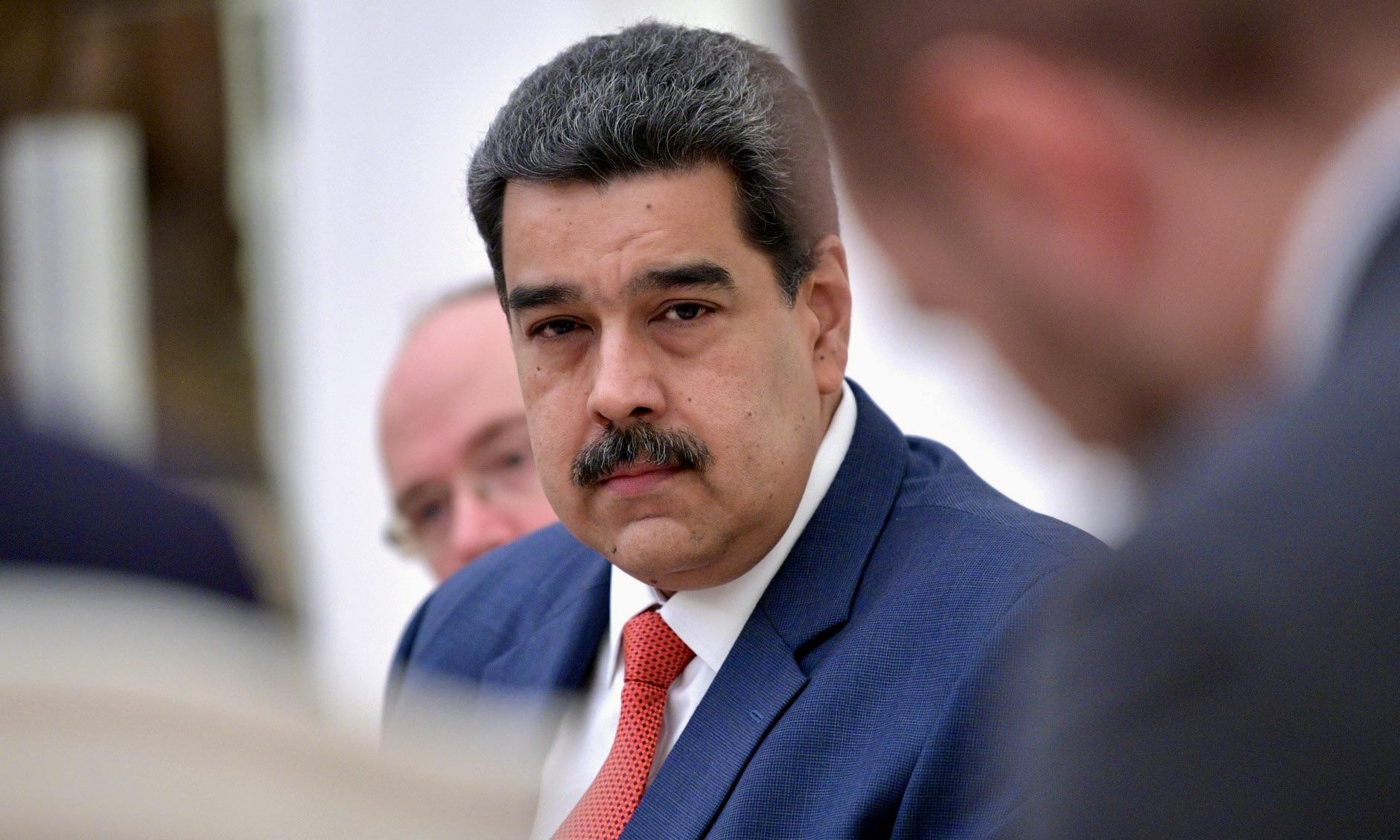
Venezuelan President Nicolás Maduro has confirmed that he held what he described as a “respectful and cordial” phone conversation with U.S. President Donald Trump roughly ten days ago, raising new speculation about a possible thaw in long-tense relations between Washington and Caracas. Speaking during a televised broadcast, Maduro said he welcomed any opportunity for “respectful dialogue” and emphasized that diplomatic engagement would be a positive step for both nations after years of political friction and escalating sanctions.
The confirmation follows a Reuters report citing multiple sources familiar with the call, claiming that Maduro privately expressed willingness to step down from power under specific conditions. According to the report, he requested full legal amnesty for himself and his family, the removal of U.S. sanctions, and the dismissal of an International Criminal Court case tied to accusations against his government. Although neither the White House nor Maduro’s administration has publicly detailed the content of the discussion, the alleged proposal has intensified international interest in Venezuela’s political future.
The phone call comes amid months of increased U.S. pressure that has included sanctions targeting key officials, accusations of narcotics trafficking, and even threats of military intervention. The United States recently reinforced its stance by designating the Cartel de los Soles—an alleged Venezuela-linked drug-trafficking network—as a foreign terrorist organization. These measures have deepened Venezuela’s diplomatic isolation and contributed to a worsening economic climate.
Maduro’s acknowledgment of the conversation with Trump is being viewed by analysts as a potentially significant moment, suggesting that despite harsh rhetoric on both sides, communication channels remain open. Whether the call leads to meaningful negotiations or political transition remains uncertain, but the development has renewed global attention on efforts to resolve Venezuela’s long-running crisis through diplomacy rather than confrontation.