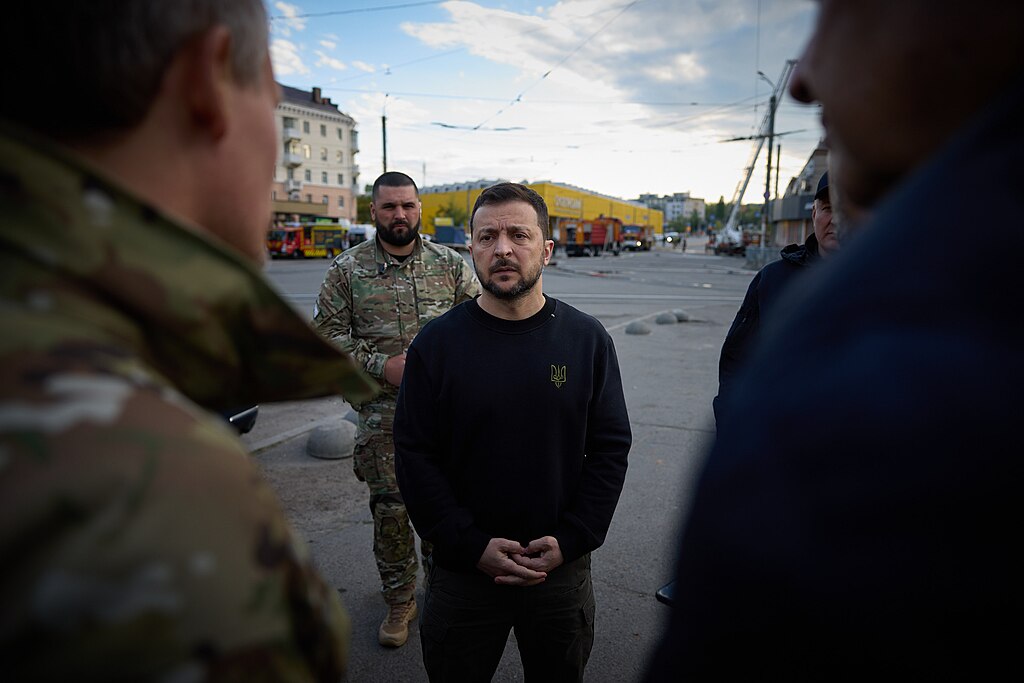
Ukrainian President Volodymyr Zelenskiy has called for meaningful change in Iran following recent U.S. and Israeli strikes, saying the moment should be “used properly” to benefit the Iranian people. In his nightly video address on Sunday, Zelenskiy stressed that developments in Iran present an opportunity for progress after months of unrest and government crackdowns.
Referring to widespread protests, Zelenskiy claimed that Iranian authorities had killed “tens of thousands of people in the last couple of months alone,” describing a severe response to public dissent. He emphasized that many Iranians have endured violence while standing up to the regime, often without international support. According to Zelenskiy, the Iranian people have long faced repression and now deserve a chance for positive transformation.
The Ukrainian leader also linked Iran’s international standing to its military cooperation with Russia. He argued that Tehran had “predetermined the way it is treated” by supplying attack drones to Moscow during the ongoing war in Ukraine. Since the start of the conflict, Zelenskiy said Russia has launched more than 57,000 Iranian-designed Shahed-type drones against Ukrainian targets. These drone attacks have played a significant role in Russia’s military strategy, targeting infrastructure and civilian areas across Ukraine.
Zelenskiy further accused Iran of contributing to instability beyond Ukraine, claiming it had “fomented wars in the region.” He reiterated comments made after the strikes began, stating that U.S. resolve “brings results.” At the same time, he thanked international partners working to prevent a broader regional conflict and stop the spread of war.
In a pointed message to Moscow, Zelenskiy suggested that recent events should serve as a warning, saying Russian leaders should understand that “justice is finally served in the end.” His remarks underscore the complex geopolitical tensions involving Iran, Russia, Ukraine, and Western powers, while highlighting the broader implications of military alliances and regional security.