


 Bajaj Finance Shares Rise 3.4% as AUM Jumps 27%
  Flydubai Co-Pilot Tried to Crash Israel-Bound Jet, Netanyahu Says
  California AG Subpoenas OpenAI Over AI Cybersecurity Incidents
  OpenAI Scraps GPT-6.1 Astra Launch Over Safety Concerns
  Micron Forecast Tops Estimates as AI Memory Demand Stays Strong
  Firmus Grid IPO Draws Strong Demand, Nvidia and Blackstone Could Raise Stakes
  Schneider Electric to Buy PTC in $22.6 Billion Deal
  Goldman Sachs Names CATL, Zenergy Top China Battery Picks
  Robinhood Launches AI Agents for Automated Trading
  Huawei, Qualcomm Sign Multi-Year AI and 5G Patent Deal
  Citi Raises Bitcoin Price Target to $113,000 on ETF Optimism
  DeepSeek, Huawei Partner on Ascend AI Chip Programming Tools
  UK Warned Over Growing Reliance on US Cloud Providers
  Google Pays Publishers for AI Search Content in New Pilot
  Pi Network Price Holds $0.087 as Protocol 28 Mainnet Upgrade Nears
  Coinbase, Circle Stocks Slide as Bank Group Sues OCC Over Crypto Charters
  Tencent Signs $7 Billion Oracle AI Chip Lease Deal


 Add as a preferred source on Google
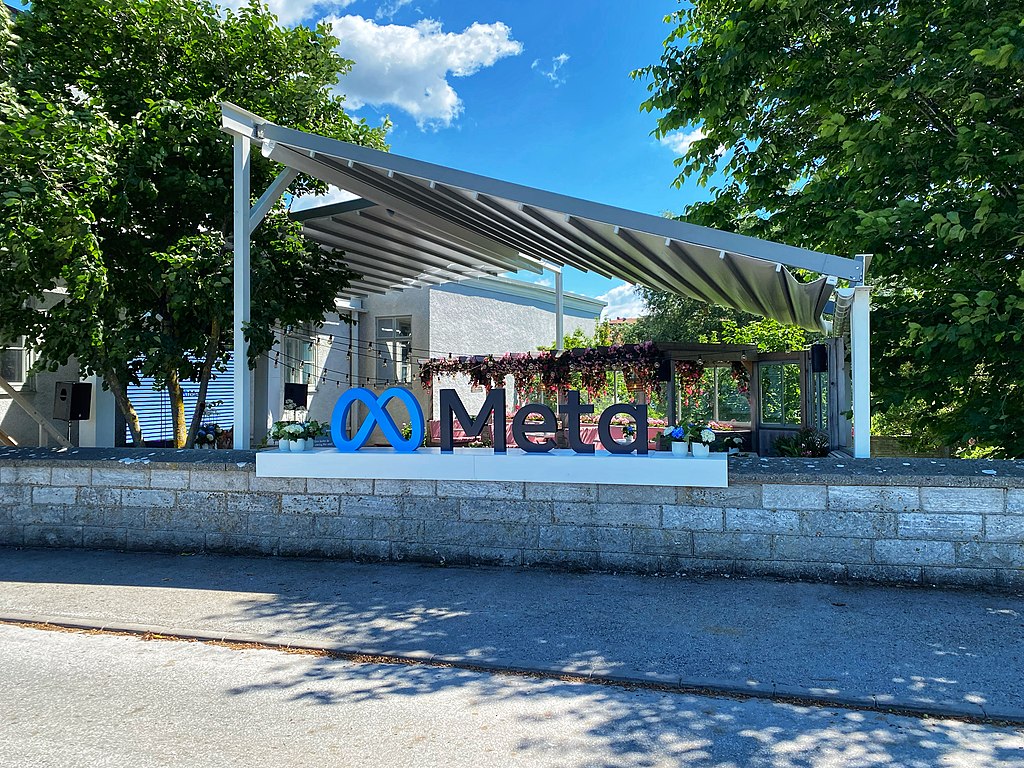
Meta Platforms (NASDAQ: META) is preparing to expand into the cloud computing market, a move that could position the company as a future rival to Amazon Web Services (AWS), Microsoft Azure, and Google Cloud. According to Morgan Stanley, Meta is evaluating two possible business models: a hosted AI API and model-access platform similar to AWS Bedrock, or a "neocloud" offering that leases raw AI computing capacity powered by its own infrastructure.
Morgan Stanley believes the neocloud strategy is the more practical path. Analysts argue that building a full AI platform with hosted models and developer tools would require significant hiring, technical execution, and product development. Meta’s Muse AI models have yet to demonstrate competitive performance on industry benchmarks such as TerminalBench and SWE Bench Verified, while also facing strong competition from advanced AI models like Google’s Gemini.
The investment bank estimates Meta will add roughly 2 gigawatts of owned IT capacity in 2026 and another 3.5 gigawatts in 2027, compared with an estimated 3-gigawatt base by the end of 2025. This growing infrastructure could allow Meta to lease excess compute capacity to businesses facing AI chip shortages and high demand for computing resources.
While Meta currently rents approximately 2.5 gigawatts of compute from providers including CoreWeave, Nebius, Google Cloud, and Oracle, Morgan Stanley notes that the company could monetize portions of its own infrastructure as new capacity comes online.
The bank also sees meaningful earnings potential from the neocloud model. Based on current market pricing, leasing 250 megawatts of compute capacity for one year at around $40 per watt could increase Morgan Stanley’s 2028 earnings-per-share estimate for Meta by approximately $3, representing roughly 8% upside.
Despite this opportunity, Morgan Stanley views cloud leasing as a temporary earnings driver rather than Meta’s long-term growth strategy. The firm maintains its Overweight rating, citing higher expectations for MetaAI, AI-powered business messaging, subscription services, diffusion models, and other AI products that could generate sustainable revenue growth.
Morgan Stanley projects Meta’s capital expenditures to increase to approximately $175 billion in 2027 and $205 billion in 2028, up from an estimated $145 billion in 2026, as the company expands its AI data center footprint. The analysts believe additional investments may be required if Meta ultimately pursues a full-scale cloud platform, making future capital spending likely to trend even higher.







