


 Trump Imposes New US Tariffs on Drone Imports Over National Security Concerns
  Microsoft to Reveal Azure Revenue in Major Reporting Shake-Up
  Iran Vows Tougher Response as U.S. Sanctions Squeeze Economy
  Brazil Warns EU of Retaliation Over Animal Products Ban
  SEC Seeks ISS Client Voting Records in Proxy Adviser Probe
  Trump Targets 1,000 U.S. Space Launches Annually by 2030
  South Korea, US Discuss Chip Investments Amid Tariff Plans
  SEC Proposes ‘Regulation Crypto Assets’ Framework for Crypto Fundraising
  Adobe Names Anil Chakravarthy CEO as AI Push Accelerates
  EU to Boost Greenland Investment Amid Trump Pressure
  Apple’s Phil Schiller Steps Back as Leadership Shake-Up Accelerates
  Japan, US Target AI and Chips in $550 Billion Investment Push
  South Korea Unveils Record $597 Billion 2027 Budget to Boost AI and Chips
  US Investigates Deadly Strike on Iranian Wedding
  Texas Republicans Turn Against AI Data Centers as Election Backlash Grows
  US Sailor’s Father Detained by Immigration Authorities
  New Zealand Labour Backs Social Media Ban for Under-16s


 Add as a preferred source on Google
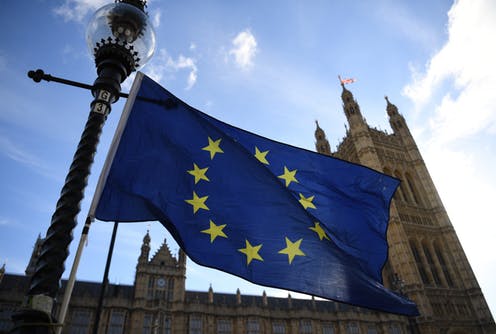
President Donald Trump announced Friday that the United States will launch a Section 301 investigation into the European Union’s penalties against American technology companies, escalating trade tensions after Google was hit with another major antitrust fine.
In a post on Truth Social, Trump accused the EU of unfairly targeting U.S. tech giants through what he described as discriminatory and excessive fines. He argued that the bloc has repeatedly singled out leading American companies, including Apple, Meta, Amazon, and Google.
According to Trump, Apple has faced roughly $15 billion in EU penalties, Meta about $3 billion, Amazon $2.5 billion, while Google has now accumulated more than $18 billion in fines following its latest sanction.
"The United States is not a 'PIGGYBANK' for Europe," Trump wrote, adding that his administration would immediately begin a Section 301 investigation into what he called the EU’s practice of "robbing" American companies and taxpayers.
Trump also warned that the European Union could face significant consequences if the investigation concludes that its actions unfairly burden U.S. commerce. He said the administration expects the penalties imposed on American firms to be reversed and indicated that substantial tariffs could be introduced against the EU.
The latest dispute follows the European Commission’s decision on Thursday to fine Google €460 million for favoring its own services in search results and an additional €430 million for restricting developers from directing users to alternative payment options outside Google Play.
The action adds to a series of high-profile EU enforcement measures against major U.S. technology firms. Recent penalties include a €2.95 billion fine against Google in September 2025 over advertising technology practices, a €500 million fine on Apple in April 2025 related to anti-steering rules for music streaming, a €200 million penalty against Meta over its advertising and tracking model, and a €120 million fine imposed on X in December 2025 for transparency violations.
A Section 301 investigation is a U.S. trade enforcement tool that examines whether foreign government policies unfairly restrict American commerce. If violations are found, the U.S. government can impose retaliatory measures, including tariffs, to pressure trading partners to change their practices.







