


 Rodrigo Duterte Makes First Public Appearance at ICC in 18 Months
  Judge Orders Trump to Restore White House Access for CNN, MS NOW and Politico
  Xi Calls for Deeper U.S.-China AI Cooperation in Trump Talks
  Trump Asks Supreme Court to Restore Third-Country Deportations
  France Defends Netanyahu Airspace Clearance Despite ICC Warrant
  Sara Duterte Posts Bail Over Grave Threats Case
  Judge Blocks Trump Rule Limiting Foreign Student Visas
  Najib Razak Granted House Arrest Until 2028
  Ghana Says Western Support Growing for Slave Trade Reparations
  Nvidia-Groq AI Chip Deal Faces U.S. Antitrust Probe
  Trump, Xi Focus on Trade and AI at White House Summit
  Mexico-US Trade Talks Delayed to October as Tariff Negotiations Continue
  North Korea Rejects Nuclear Test Warning, Calls Nuclear Status Irreversible
  ICE Agent Arrested in Minneapolis Over Venezuelan Man Shooting
  NATO Boosts Intelligence Sharing Amid Russia Hybrid Threats
  LVMH-Hermès Dispute Deepens Over Secret 2002 Share Deal
  Paramount Skydance Faces $30 Million Film Penalty in Warner Bros. Deal


 Add as a preferred source on Google
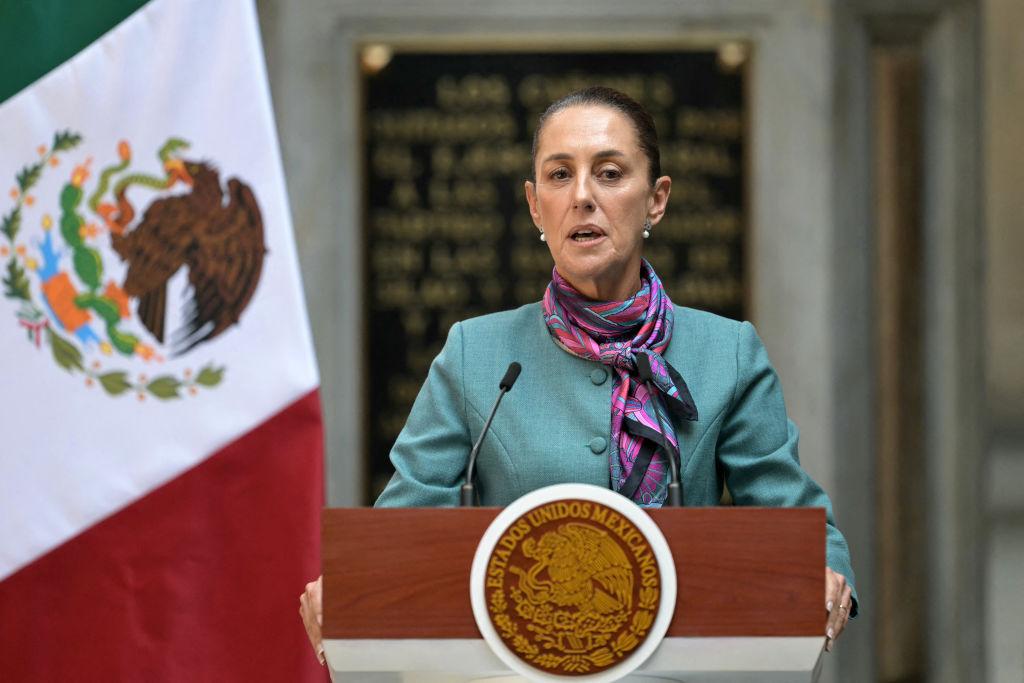
In an unprecedented move that underscores escalating immigration tensions, the Mexican government has announced the deployment of hundreds of lawyers to the United States. The initiative aims to provide legal assistance to undocumented migrants facing potential deportation under increasingly stringent U.S. immigration policies.
Mexico’s Bold Legal Offensive to Protect Migrants
The deployment, hailed as a significant humanitarian effort by Mexican officials, is part of a broader strategy to defend the rights of its nationals abroad. These lawyers will offer crucial services, including legal representation, immigration consultations, and assistance in navigating the complex U.S. legal system.
Mexican authorities emphasized the importance of safeguarding the human rights of migrants, many of whom face detention or deportation proceedings. Foreign Affairs Secretary Alicia Bárcena stated that this initiative reflects Mexico’s commitment to supporting its citizens during challenging times.
The move comes as U.S. immigration enforcement under the incoming administration signals a return to stricter policies. With the potential for mass deportations looming, advocates argue that this legal aid could be a lifeline for thousands of migrants living in legal limbo.
Critics Question Mexico’s Motives Amidst U.S. Backlash
While supporters praise Mexico’s proactive approach, critics on both sides of the border have expressed concerns about the initiative’s implications. Some U.S. lawmakers have accused Mexico of interfering in domestic affairs, arguing that such actions undermine U.S. sovereignty and legal processes.
On the other hand, advocates for migrants view the move as necessary given the harsh realities many undocumented individuals face. From workplace exploitation to limited access to legal counsel, these migrants often struggle to defend their rights within an unfamiliar legal system.
Mexican officials have countered criticism by highlighting their obligation to protect their citizens, emphasizing that the program is designed to uphold human rights, not challenge U.S. law. Still, the move has fueled an already heated immigration debate.
Online Reactions Ignite Fiery Debates
The announcement sparked a flurry of reactions across social media, with netizens voicing a range of opinions on the matter.
Twitter user @BorderWatchUSA argued, “This is unacceptable. The U.S. isn’t Mexico’s courtroom. They should focus on keeping people from crossing illegally!” In contrast, @MigrantRightsNow countered, “Finally, someone is standing up for these families! Everyone deserves a fair shot at justice.”
Others questioned the initiative’s efficacy. “Sending lawyers is nice, but will it make a real difference? These cases drag on for years,” noted @JusticeObserver. Meanwhile, @LatinxAdvocate praised the move, tweeting, “This is solidarity in action. Mexico is doing what’s right for its people!”
Concerns about potential backlash also surfaced. “This is just going to anger U.S. officials and make things worse for migrants,” warned @DiplomaticInsight. However, @ImmigrationTruth saw it differently: “This isn’t about politics; it’s about people’s lives. Bravo to Mexico for taking a stand.”
What Lies Ahead for Migrants and Legal Advocates
As tensions rise, the impact of Mexico’s legal initiative remains uncertain. While it offers hope for thousands of undocumented migrants, the challenges ahead are immense. From navigating U.S. immigration courts to facing potential political fallout, this bold move is likely to fuel further debate on immigration reform and bilateral relations.







