
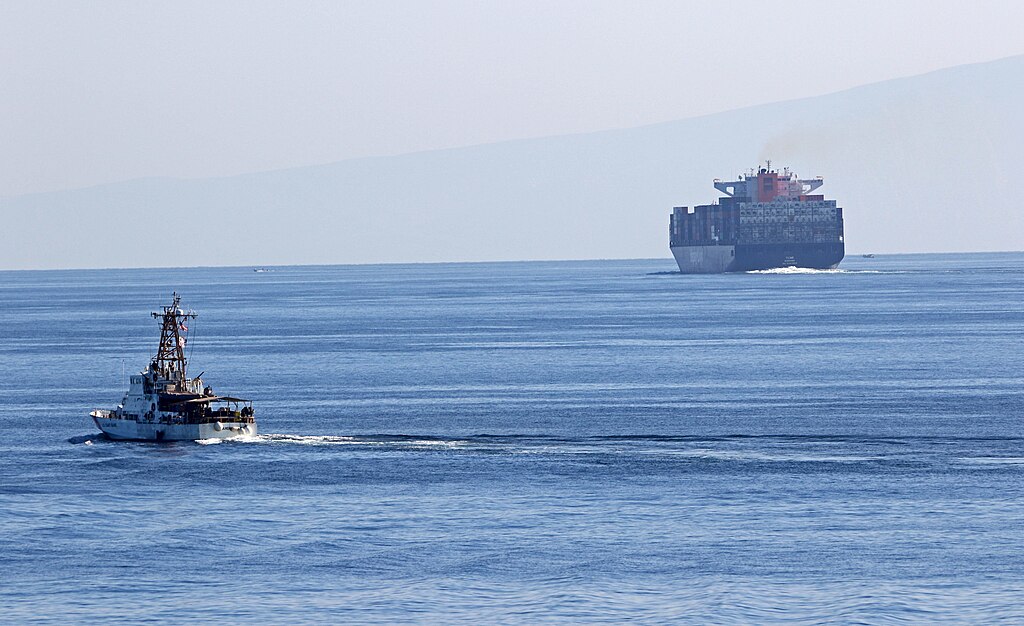
A fresh military confrontation between the United States and Iran has intensified concerns over global oil supplies, defense sector performance, and Middle East security. According to reports citing U.S. Central Command (CENTCOM), American forces intercepted four Iranian drones that were allegedly heading toward the Strait of Hormuz, one of the world's most critical oil shipping routes.
CENTCOM stated that the drones posed an immediate threat to maritime traffic in the region. In response, U.S. forces conducted strikes against coastal surveillance radar installations located in Goruk and on Qeshm Island in southern Iran. American officials said the operations were intended to prevent further threats to commercial and military vessels operating near the strategic waterway.
Earlier, Iran's navy claimed it had fired warning shots at U.S. military assets in the Gulf of Oman, accusing American ships of interfering with regional maritime operations. CENTCOM rejected those allegations, further highlighting the ongoing dispute between Washington and Tehran.
The latest developments underscore the persistent geopolitical risks surrounding the Strait of Hormuz, a vital passage that handles a significant share of global oil exports. Despite both countries maintaining that a ceasefire remains in effect, tensions continue to impact energy markets and investor sentiment.
U.S. President Donald Trump said negotiations with Iran should not be rushed and emphasized that any future agreement must align with American interests. Trump also suggested that fuel and fertilizer prices could decline if the conflict is resolved, either through diplomacy or stronger measures.
U.S. Energy Secretary Chris Wright noted that lower gasoline and diesel prices would depend on a stable resolution that enables increased oil flows through the Strait of Hormuz. He added that the Strategic Petroleum Reserve could be replenished after the conflict as borrowed oil supplies are returned.
Meanwhile, regional instability continues beyond the Gulf. Lebanese President Joseph Aoun accused Iran of using Lebanon as leverage in negotiations with Washington, while clashes involving Hezbollah and Israeli forces persisted in southern Lebanon. Kuwait also reported missile and drone threats and announced defensive measures. Separately, the U.S. approved a potential $1.98 billion counter-drone equipment sale to Kuwait.
As diplomatic efforts continue, investors are closely monitoring oil prices, defense stocks such as Northrop Grumman, Lockheed Martin, and RTX, and the broader implications of ongoing U.S.-Iran tensions on global markets in 2026.


