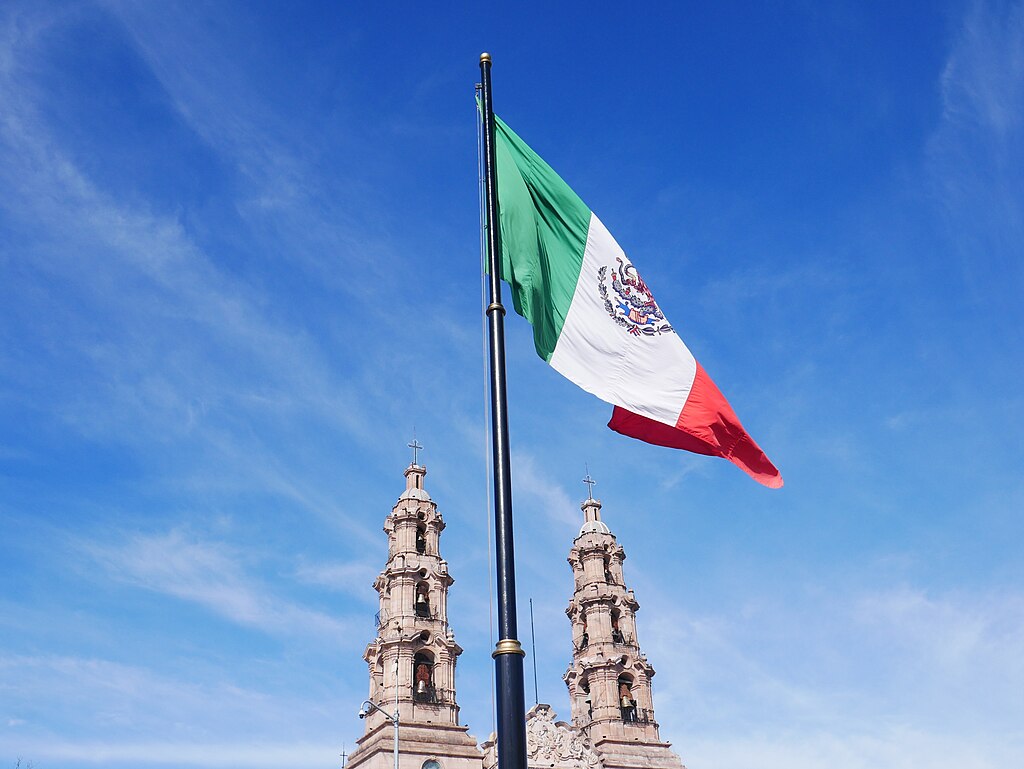
Mexico is holding its first-ever national judicial elections on Sunday, selecting 2,600 judges and magistrates, including all Supreme Court justices. The vote is a central part of a sweeping judicial reform championed by former President Andres Manuel Lopez Obrador and current President Claudia Sheinbaum. The administration argues the reform will eliminate corruption and democratize a judiciary long viewed as elitist and disconnected from the public.
However, critics warn the changes could threaten judicial independence and increase political and criminal influence in the courts. Concerns intensified after reports revealed that some candidates include a convicted drug smuggler and a former attorney for drug lord Joaquin "El Chapo" Guzman.
More than 7,700 candidates are running across 19 of Mexico's 32 administrative divisions. Voter confusion is high due to the overwhelming number of candidates and lack of accessible information. Polls suggest only 37% of voters plan to participate, compared to 61% turnout in last year’s presidential election. Voting in Mexico is voluntary, and no minimum turnout is required.
The opposition PAN party has urged a boycott, labeling the election a “vulgar fraud.” Meanwhile, Sheinbaum has called on citizens to vote, emphasizing it as a path toward transforming the country’s legal system. The reform also reduces the number of Supreme Court justices, shortens judicial terms, and relaxes experience requirements—changes that rattled markets and drew criticism from the U.S.
Analysts remain skeptical. “The justice system had problems before, and this won’t fix them,” said Rodolfo Ramos of Bradesco BBI. The ultimate test, he noted, will be how the new court handles future cases against the government. Official results are expected by June 15, with another judicial election scheduled for 2027.