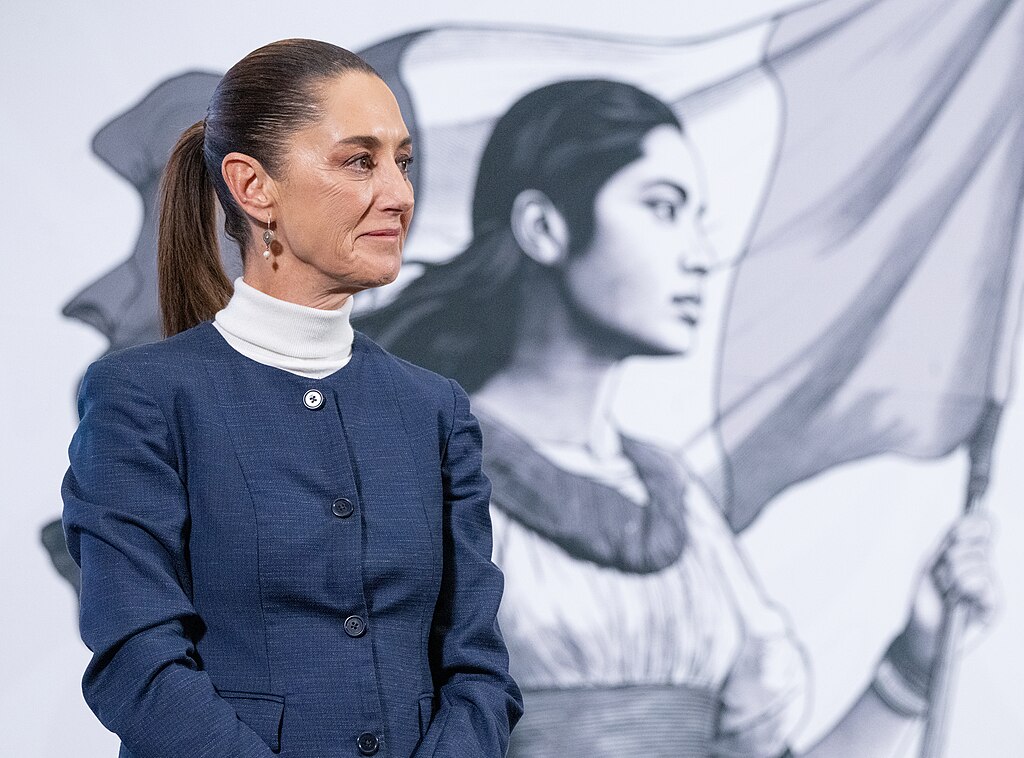
Mexican President Claudia Sheinbaum firmly dismissed the possibility of any U.S. military intervention on Mexican soil, reiterating her administration’s stance on national sovereignty and security cooperation. Speaking during her daily morning press briefing on Tuesday, Sheinbaum assured the public that Mexico would not allow foreign military forces to operate within its borders, emphasizing that “it’s not going to happen.” Her comments came in direct response to remarks made a day earlier by U.S. President Donald Trump, who expressed support for taking aggressive action against drug cartels in both Mexico and Colombia.
Sheinbaum underscored that while Mexico remains committed to combating organized crime and strengthening security, it will do so under its own authority and in alignment with its constitutional principles. She highlighted that collaboration with the United States should focus on shared strategies, intelligence exchange, and addressing root causes of violence, rather than unilateral military initiatives. The president noted that Mexico values cooperation with its northern neighbor but will not compromise its territorial integrity or decision-making autonomy.
Her statement serves to reassure both Mexican citizens and international observers following renewed debate in the U.S. about labeling cartels as terrorist organizations—a move some American lawmakers argue could justify external intervention. Analysts say the renewed rhetoric could heighten tensions between the two countries, especially as both governments grapple with issues involving drug trafficking, border security, and migration. Despite these challenges, Sheinbaum stressed that Mexico intends to maintain respectful and coordinated diplomacy with Washington while defending its right to manage domestic security operations independently.
The president’s message reinforces Mexico’s long-standing position that sustainable solutions to organized crime require socioeconomic development, strengthened institutions, and international cooperation that respects national sovereignty. Her firm rejection of any foreign military action signals Mexico’s commitment to charting its own path in addressing cartel-related violence while continuing dialogue with the U.S. on shared regional security goals.