


 Apple Supplier Luxshare Faces US Patent Probe, Sees Limited Impact
  Ethereum Foundation-Linked Wallets Move $11.13M in ETH to Kraken
  Binance to Shut Down Crypto Mining Pool Services on November 10
  TSMC Profit Set to Surge 65% as AI Chip Demand Drives Record Earnings
  Epic Games Delays Disney Shooter, Shifts to AI-First Development
  OpenAI Revenue Hits $50 Billion, Below Earlier $70 Billion Estimate
  European Auto Stocks Rise as EU-China Trade Deal Targets Hybrid Imports
  Tencent Shares Fall as $5 Billion AI Bond Sale Weighed
  Meta Launches Muse Wonder AI Models, Shares Rise 3.7%
  Nasdaq Faces Pullback to 26,225 Despite Bullish Outlook, UBS Says
  OpenAI Annualized Revenue Hits $50 Billion, Below Earlier Estimates
  Morgan Stanley Predicts $10 Trillion RWA Market by 2030
  TSMC Q3 Revenue Beats Estimates as AI Chip Demand Surges
  Amazon in Talks to Acquire AI Startup Decart for $7 Billion
  Amazon Cuts More Jobs as AI Investment Expands
  Nvidia’s China AI Chip Market Share Falls to 34% as Huawei Gains Ground
  Zcash Plans Quantum-Resistant Security Upgrade for January


 Add as a preferred source on Google
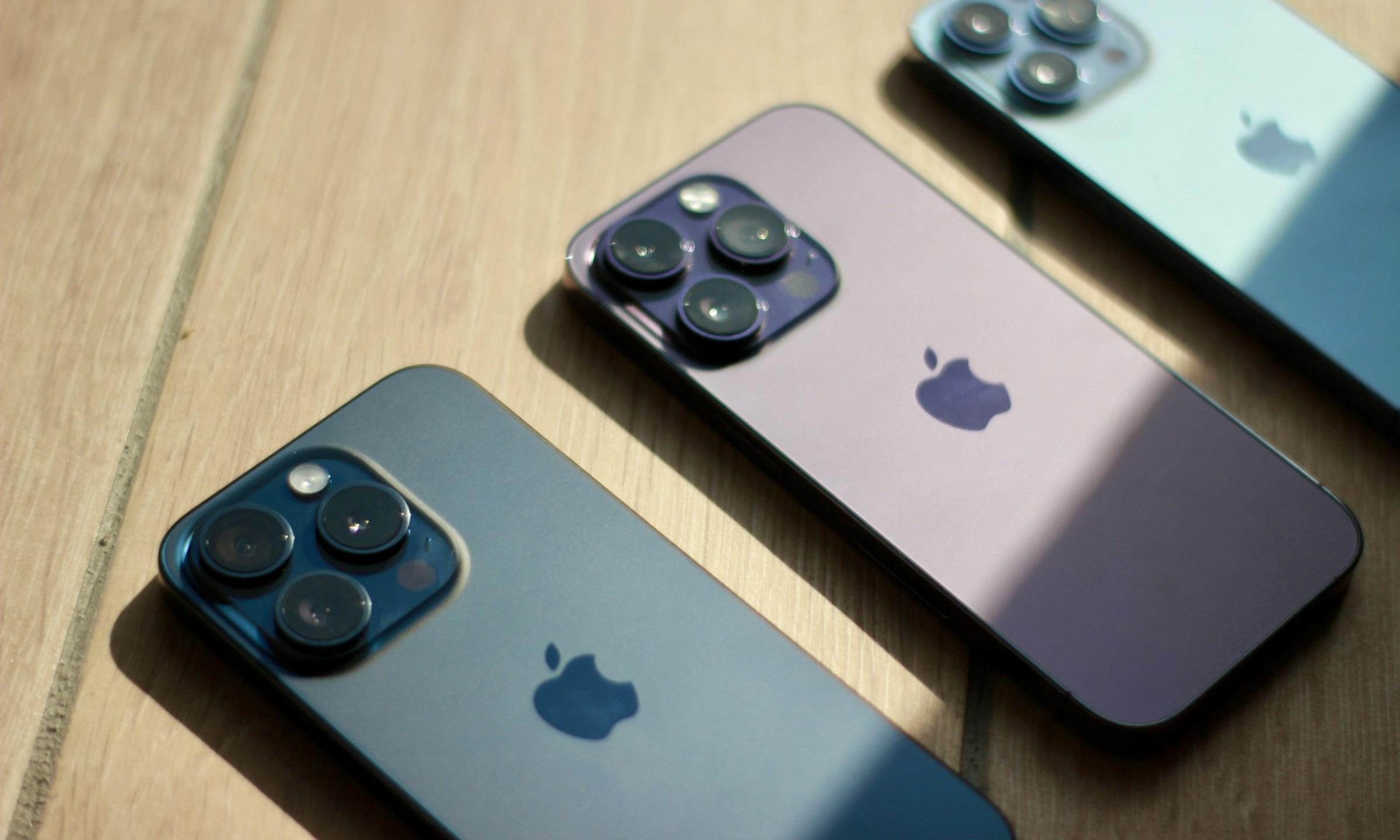
Microsoft will provide Apple iPhones to its employees in China due to security concerns and the absence of Google services following a recent Russian hack.
Security Concerns Drive Shift to Apple iPhones
A representative for Microsoft stated on Monday that the company plans to provide its employees in China with Apple's iOS-based smartphones in order to access authentication applications. The spokesperson cited the absence of Google's Android services in the country as the reason for this decision.
A number of security breaches have occurred at Microsoft, the most recent of which was caused by Russian hackers who spied on and accessed the emails of the company's employees and customers earlier this year. As a result, Microsoft has been subjected to a substantial amount of scrutiny.
As reported by Bloomberg News, which cited an internal memo, the Windows operating system manufacturer directed its staff in China to use Apple devices at their place of employment beginning in September. This was the first time that the development was disclosed.
Google's Absence in China Restricts Security Access
Based on the article, the decision to switch to iOS devices was made as part of Microsoft's global Secure Future Initiative. This decision was made since the Google Play Store is not available in China, which restricts the access that employees have to security applications like Microsoft Authenticator and Identity Pass.
"We look to offer employees a means of accessing these required apps, such as an iOS device," a business representative said in an email to Reuters. "due to the lack of availability of Google Mobile Services in this region."
Microsoft's Longstanding Presence in China
U.S. corporations that have a significant presence in China include Microsoft, which is one such company. 1992 marked the year that it made its debut in the Chinese market, and it maintains a sizable research and development department within the country.
According to a report by Bloomberg, the corporation would distribute iPhone 15 devices to its staff, who are now using Android handsets across China, including in Hong Kong.







