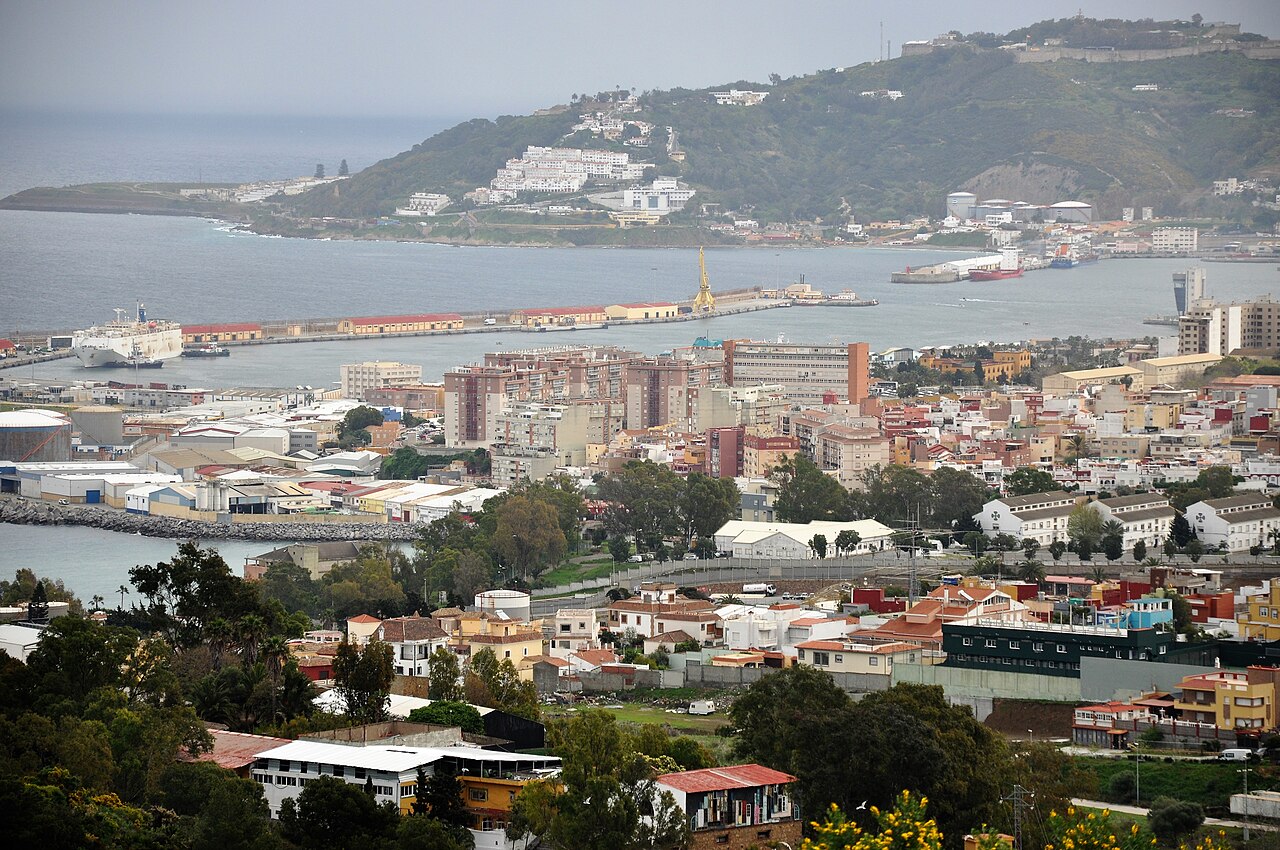
Hundreds of migrants in Spain’s North African enclave of Ceuta gathered on a popular urban beach on Sunday, calling on Spanish authorities to grant them asylum rather than return them to Morocco.
The protesters are among an estimated 5,000 to 8,000 migrants still in Ceuta following a mass border crossing two weeks earlier. More than 72,000 people reportedly entered the small Spanish territory, which has a population of roughly 80,000, although most later returned voluntarily.
With Ceuta’s resources under growing pressure, many migrants are staying in difficult conditions on El Trampolin beach or around the city’s outskirts while hoping to eventually reach mainland Spain and other parts of Europe.
Ayoub Elarroud, from Tetouan, Morocco, described sleeping beside the sea in cold and unsanitary conditions. Protesters carried Spanish flags and signs declaring, “We don’t want to go back to Morocco” and “We are also human,” while demanding a solution from authorities.
Spanish Interior Minister Fernando Grande-Marlaska has said migrants who entered irregularly would generally not be permitted to remain in Ceuta, travel to mainland Spain or obtain legal status. Exceptions could be made in cases involving extreme vulnerability.
The influx has also increased pressure on Ceuta’s healthcare system. Enrique Roviralta, head of the city’s medical board, said healthcare workers were exhausted and reported cases of infectious diarrhoea, scabies and injuries linked to violence. Health Minister Monica Garcia rejected claims that services had collapsed but acknowledged significant pressure and a moderate risk of outbreaks among migrants.
Many Moroccan migrants said poor wages and limited economic opportunities motivated them to leave. Mohammed Ouanzar, a 39-year-old automation specialist from Fez, said low salaries prevented him from buying a home or starting a family.
Others had travelled much farther. Emmanuel, a Nigerian electrician, said he fled insecurity after his children stopped attending school because of kidnapping fears. Mohammad Ismail Hossain, from Bangladesh, described a two-year journey across several countries, while Ousmane from Senegal said he was seeking asylum over persecution related to his sexual orientation.
For many migrants stranded in Ceuta, uncertainty and prolonged waiting remain among their biggest challenges.