Monster Beverage fell short of Wall Street expectations for fourth-quarter revenue on Thursday. Budget-conscious consumers are now more cautious about purchasing the company's higher-priced beverages and energy drinks.
Shares Rise Despite Revenue Setback
US News reported that despite the revenue miss, shares of Monster Beverage surged approximately 5% in extended trading. The company announced an estimated 17% increase in sales for January compared to the previous year.
With rising costs of essentials like food and fuel, consumers in the U.S. are cutting back on spending for pricier beverages. This shift in consumer behavior is affecting sales for Monster Beverage and competitors like Keurig Dr Pepper and PepsiCo.
Strategies to Offset Cost Pressures
As per Reuters, Monster Beverage revealed that it has implemented additional price hikes in select international markets this quarter. Co-CEO Rodney Sacks mentioned plans to explore further domestic and international pricing adjustments during a post-earnings call.
Beverage companies resorted to multiple rounds of price increases last year to counter higher expenses on freight, aluminum, and raw materials like sugar. While freight and aluminum prices have stabilized, increasing sugar costs continue to impact the industry.
Profit Margins Show Improvement
Despite challenges, Monster Beverage reported a gross profit margin of 54.2% for the October-to-December quarter, up from 53% in the previous quarter. The company attributed this increase to higher prices during the period.
In the fourth quarter, Monster Beverage's net revenue climbed by 14.4% to $1.73 billion, slightly below analysts' projected 16% rise to $1.75 billion. The company earned 35 cents per share, excluding items below the anticipated 38 cents per share.
Market Expansion and Diversification Efforts
To mitigate the impact of fluctuating consumer spending and rising costs, Monster Beverage is aggressively pursuing market expansion and product diversification strategies. The company is expanding its geographical footprint and diversifying its product line to include non-caffeinated beverages and healthier options, targeting a broader consumer base.
This strategic move aims to cater to evolving consumer tastes and preferences, increasingly leaning towards health-conscious choices and sustainability. Through these efforts, Monster Beverage seeks to secure its position in the competitive beverage industry and drive future growth.
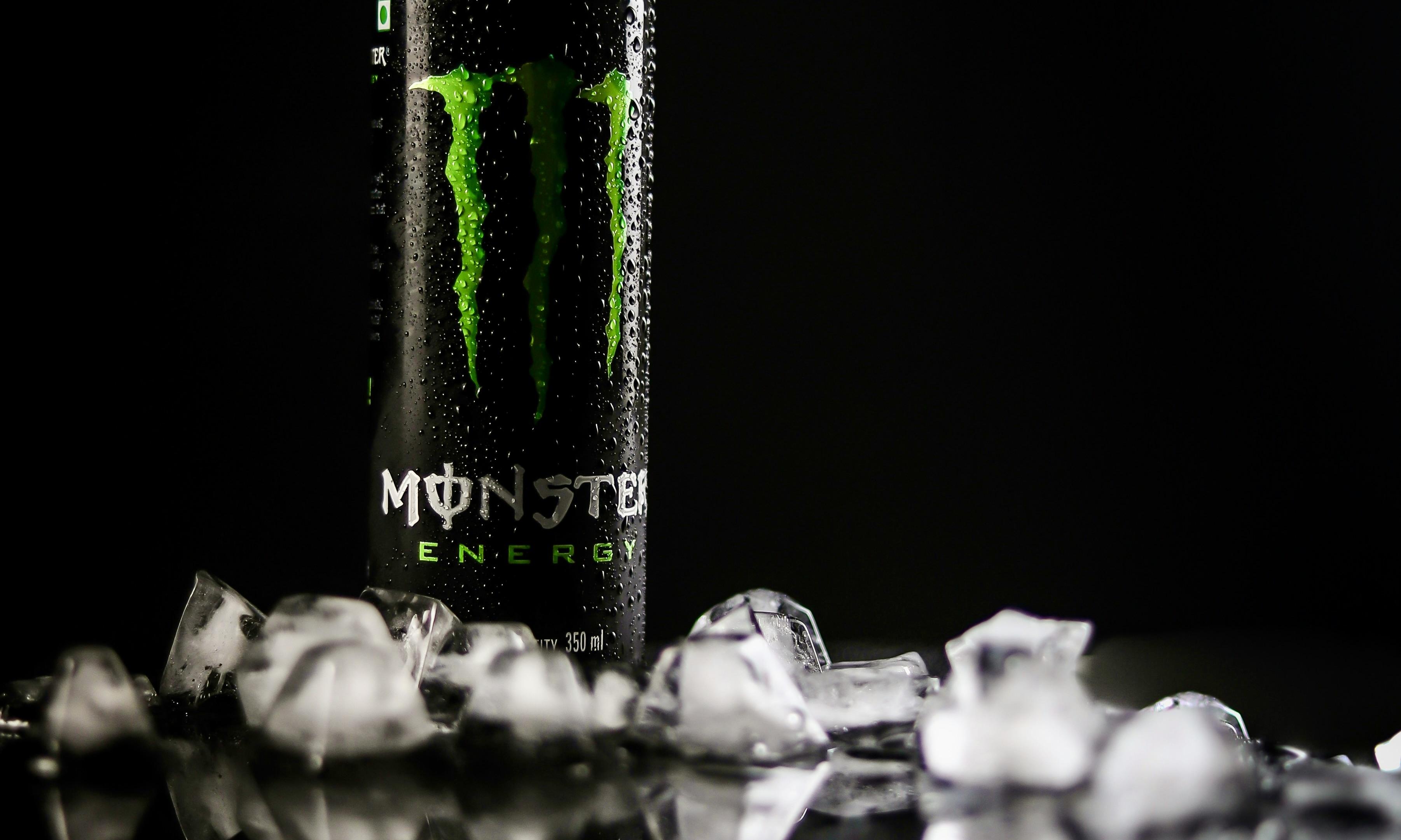
Photo: Gkgraphix 53/Unsplash