


 US Futures Rise as Investors Eye Earnings, Inflation Data, and Wildfire Impacts
  Bank of America Posts Strong Q4 2024 Results, Shares Rise
  Gold Prices Fall Amid Rate Jitters; Copper Steady as China Stimulus Eyed
  U.S. Treasury Yields Expected to Decline Amid Cooling Economic Pressures
  Moldova Criticizes Russia Amid Transdniestria Energy Crisis
  Urban studies: Doing research when every city is different
  China's Refining Industry Faces Major Shakeup Amid Challenges
  US Gas Market Poised for Supercycle: Bernstein Analysts
  Geopolitical Shocks That Could Reshape Financial Markets in 2025
  Stock Futures Dip as Investors Await Key Payrolls Data
  UBS Projects Mixed Market Outlook for 2025 Amid Trump Policy Uncertainty
  Gold Prices Slide as Rate Cut Prospects Diminish; Copper Gains on China Stimulus Hopes
  Trump’s "Shock and Awe" Agenda: Executive Orders from Day One
  Wall Street Analysts Weigh in on Latest NFP Data
  Oil Prices Dip Slightly Amid Focus on Russian Sanctions and U.S. Inflation Data
  S&P 500 Relies on Tech for Growth in Q4 2024, Says Barclays


 Add as a preferred source on Google
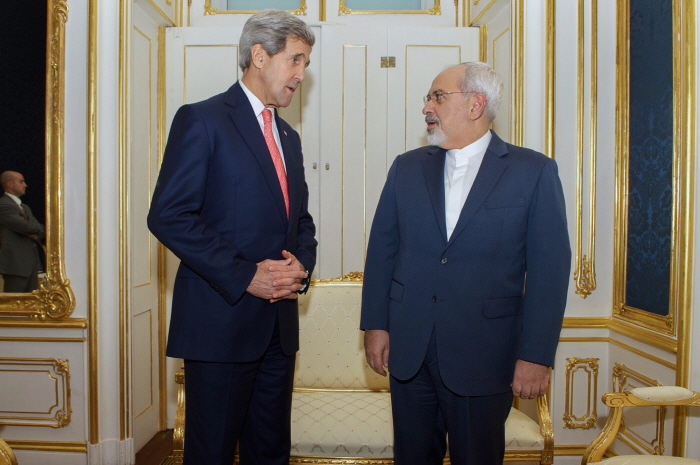
The lifting of nuclear-related trade and financial sanctions on Iran, should it materialize, would be credit positive for Iranian banks, says Moody's Investors Service in a report published today.
According to Moody's, increased trade and investment could boost growth in Iran's banking sector and support asset quality of domestic banks, although such improvements would depend on the strengthening of banks' capital levels and the implementation of structural reforms.
"We see significant upside potential for Iranian banks from increased economic activity if sanctions are lifted. This could include new regional business opportunities relating to trade finance, letters of credit and new investments and infrastructure projects," says Constantinos Kypreos, a senior credit officer at Moody's.
Moody's report also highlights that if and when sanctions are lifted, more than half of the official reserves which are currently frozen - estimated by the Institute of International Finance to total USD92 billion - may be used, for example, to recapitalize government-owned banks or be invested in building the country's infrastructure.
"Recapitalisation is much needed to unlock the growth potential of the Iranian banking sector," says Kypreos. "The repatriation of frozen assets, and potential interest from foreign investors and financial institutions, would also allow domestic banks to strengthen their solvency levels," he adds.
Banks domiciled in countries with close ties and trade links to Iran, such as the UAE and Lebanon, but potentially also Western, Chinese and Indian banks, would likely be attracted to Iran's diversified economy and significant trade flows, according to Moody's.
"We anticipate increased longer-term business opportunities for Dubai banks if the Iranian economy opens up, particularly given the private sector nature of the Dubai economy and its strengths as a logistics hub," notes Khalid Howladar - senior credit officer. "In addition, a rise in inward investments from Iranian nationals could moderate the impact of the softening real estate market in Dubai," he adds.
However, physical expansion into Iran would pose greater risks, says Moody's. The rating agency notes that the still fragile operating and geopolitical environment would expose foreign banks to the asset quality issues inherent to emerging economies undergoing fast transformation, and would require prudent risk control and oversight.
Moody's also notes that the entire Iranian banking system is Shari'ah compliant and is currently the largest amongst countries practicing Islamic finance. "Given the sheer size of the banking system and the country's financing needs, we expect a major boost to sukuk volumes," says Howladar. "However, Shari'ah harmonisation across jurisdictions would likely remain difficult."







