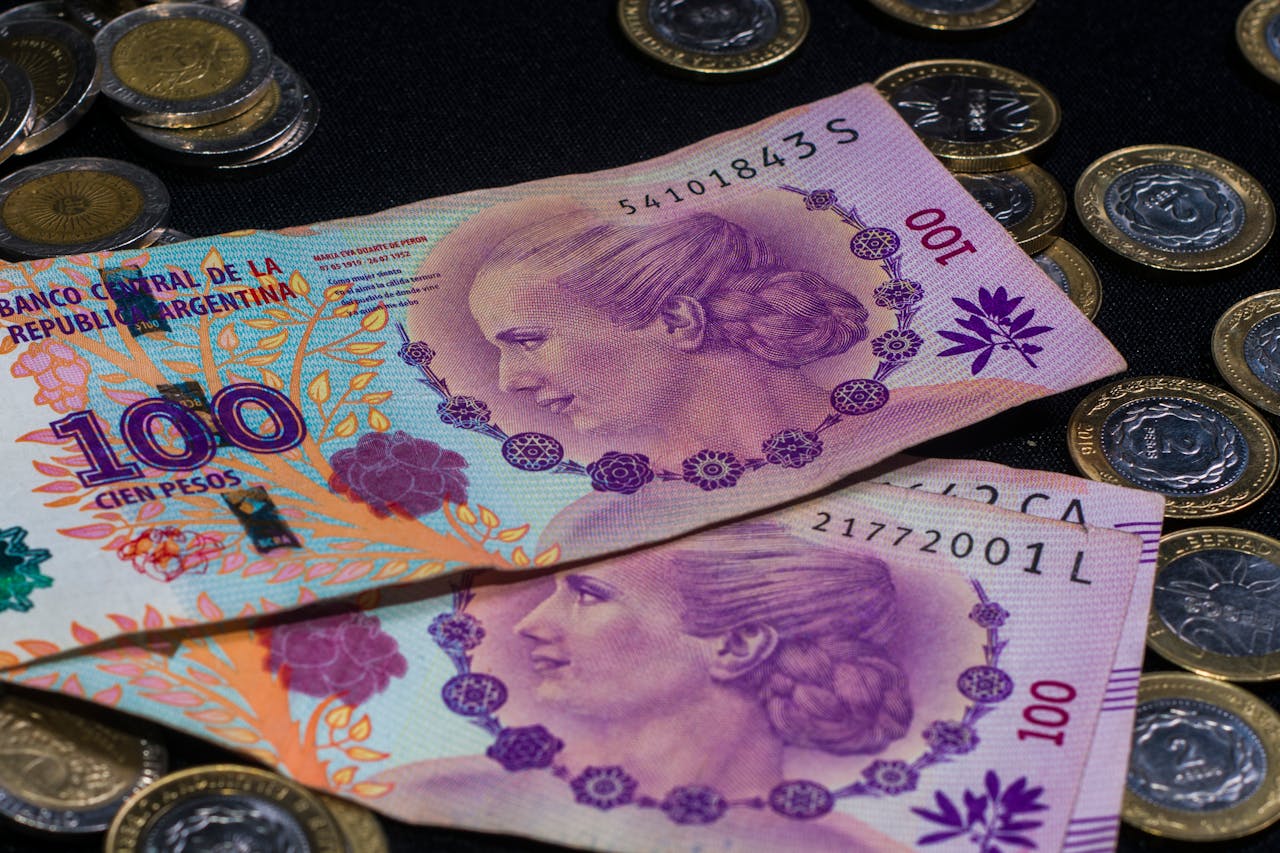
The weakening of Latin American currencies against the US dollar through 2015 and into 2016 will affect the cash-flow of companies with significant dollar-denominated debt maturing this year, Moody's Investors Service says in a new report. At the same time, it offers considerable cost advantages to export-based businesses and those that spend mainly in their local currency.
"Over the past decade Latin America attracted substantial international debt financing due to its economic strength," says Vice President-Senior Analyst, Barbara Mattos. "But more recently, as local currencies lost ground to the US dollar and other strong currencies, borrowers' interest payments and other costs have risen."
While currency depreciation varies by country, companies that use mainly foreign financing but draw most of their revenues at home are the most vulnerable and face immediate strain, Mattos says in "Weak Currencies Help Exporters, Hurt Airlines, Oil, Consumer Goods Sectors." Weak currencies also raise domestic production costs that companies can't always pass on to their customers.
"Oil giants Petrobras and PEMEX face more costly dollar-denominated interest payments and capital investments than most other Latin American integrated oil companies," says Mattos. "Significant foreign-denominated debt or costs also raise risks for regionally focused retailers, including InRetail Consumer, Maestro Peru, Gloria Foods, SMU and Automotores Gildemeister."
Currency depreciation will have less overall effect on the building materials, heavy construction, steel, sugar-ethanol and telecom sectors. Brazil's Votorantim Cimentos has more foreign debt than other building materials companies, as it generates around 30% of its revenues in foreign currency through international operations in four continents, while construction companies can pass some higher costs on to customers. For Brazilian sugar-ethanol producers Raízen and Biosev low dollar-denominated sugar prices are offset by the steep depreciation of the real, and companies including Telefônica Brasil and Oi limit their foreign-exchange risk through hedging.
Meanwhile, export-dependent producers of chemicals, metals, paper and forest products and protein will benefit from weaker local currencies, Moody's new report says. Among companies, Mexican chemical makers Alpek, Mexichem and Consolidated Energy Finance face little risk from the depreciation of the peso, while Brazilian chemical company Braskem benefits from the weak real. Currency depreciation favors Brazil's Vale more than its mining peers in Peru or Chile. And Fibria Celulose, Suzano Papel e Celulose, Empresas CMPC and Celulosa Arauco y Constitucion all stand to gain from both more competitive exports and higher production volumes.