


 China Cuts Tariffs on U.S. Farm Goods but Excludes Soybeans
  Asian Currencies Mixed as Yen Weakens, RBA Hike Looms
  Gold Cracks Below $4150 as Hawkish Fed Sparks Yield Surge — Bears Target $4000 if $4100 Support Gives Way
  U.S. Stock Futures Steady as AI, Rate Concerns Weigh
  BlackRock’s Rick Rieder Favors Bonds Over Stocks as Treasury Yields Surge
  Bitcoin Slides Toward $83K as Treasury Yields Hit 2007 High
  Asian Chip Stocks Tumble as OpenAI Safety Pause Sparks AI Growth Concerns
  Yen Sinks as BOJ Rate Hike Fails to Impress Markets
  Gold Rebounds as Oil Falls and Treasury Rout Eases
  RBA Says ASX Still Falls Short on Governance and Risk Controls
  Fed’s Williams Signals One More Rate Hike Before Year-End
  Nvidia China Chip Sales Report Sends Chinese Semiconductor Stocks Lower
  US Dollar Hits Two-Month High as Aussie, Pound Slide
  RBI Uses $10 Billion Currency Swaps to Drain Excess Rupee Liquidity


 Add as a preferred source on Google
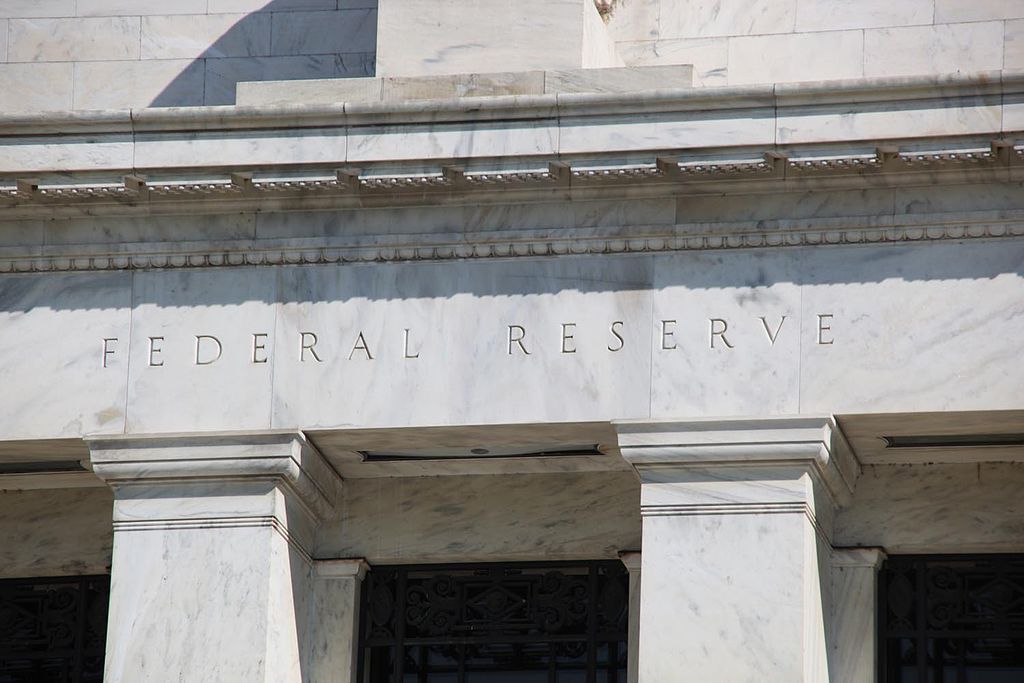
Morgan Stanley believes the Federal Reserve will push forward with interest rate cuts in 2026, even as rising oil prices temporarily inflate headline inflation figures. According to the bank's analysts, the current energy-driven price surge is unlikely to derail the broader disinflation trend that policymakers have been carefully nurturing.
Central to Morgan Stanley's outlook is the distinction between short-term and long-term inflation expectations. While near-term gauges have climbed in response to higher energy costs, long-run expectations — the metric the Fed monitors most closely — remain anchored near pre-pandemic levels. This signals that the central bank's credibility on inflation control is still holding firm, giving policymakers room to maneuver without abandoning their easing plans.
The bank also points out that core inflation, which strips out volatile food and energy components, is showing limited sensitivity to the oil price spike. As a result, the Fed is expected to treat the current energy shock as transitory and effectively "look through" it, so long as underlying inflation continues to trend in the right direction.
Another factor supporting rate cuts is the significant tightening in financial conditions that has already occurred. Morgan Stanley estimates that the combined effects of a stronger U.S. dollar, elevated oil prices, and rising equity risk premiums are equivalent to roughly an 80 basis point rate increase — reducing the urgency for the Fed to act more aggressively through its own policy tools.
Given this environment, Morgan Stanley projects two 25-basis-point rate cuts in the second half of 2026, which would bring the federal funds rate down to a range of 3.0%–3.25%. The forecast assumes continued cooling in underlying inflation alongside moderating economic growth.
The primary risk to this outlook remains a sustained increase in long-term inflation expectations. Should energy prices begin driving broader price-setting behavior across the economy, the Fed may have little choice but to hold rates higher for longer than currently anticipated.







