


 FDA Pilot Program Eases Rules for Nicotine Pouch Makers
  Trump Administration Releases New UFO Files and Apollo Mission Records
  NASA Cuts Boeing Starliner Missions as SpaceX Pulls Ahead
  Trump Administration to Launch Autism Initiatives Targeting Acetaminophen Use and New Treatment Options
  Eli Lilly’s Inluriyo Gains FDA Approval for Advanced Breast Cancer Treatment
  Trump Signs Executive Order to Boost AI Research in Childhood Cancer
  China vs. NASA: The New Moon Race and What's at Stake by 2030
  Blue Origin’s New Glenn Achieves Breakthrough Success With First NASA Mission
  SpaceX Prioritizes Moon Mission Before Mars as Starship Development Accelerates
  Trump and Merck KGaA Partner to Slash IVF Drug Costs and Expand Fertility Coverage


 Add as a preferred source on Google
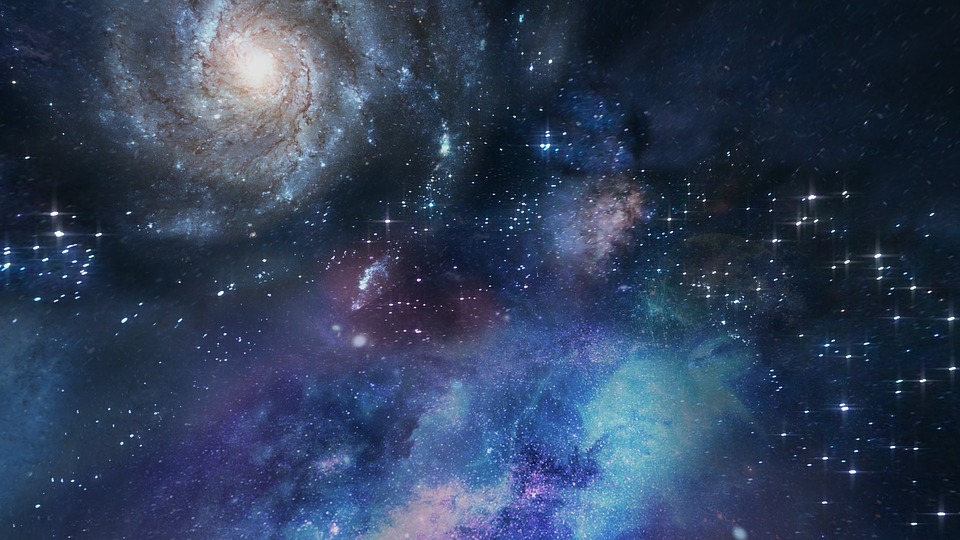
While there are stars that shrink down to a white dwarf when it dies, other stars go supernova. NASA recently shared an image taken by the Hubble Space Telescope, featuring a galaxy that once hosted a massive supernova explosion.
Express reports galaxy NGC 2442, nicknamed the Meathook Galaxy for its unusual appearance, once hosted a supernova explosion back in 2015 that occurred in one of its arms. The Meathook Galaxy is found in the southern constellation of Volans, 50 million light-years away from Earth. NGC 2442 also measures 75,000 light-years in diameter and it gets its nickname from its shape, which is the result of the galaxy’s encounter with another, smaller galaxy.
The supernova explosion that occurred in 2015, also known as supernova 2015F, was particularly bright that it could be picked up on a telescope. Despite only being discovered five years ago, the explosion happened millions of years prior, during the age of the dinosaurs. Astronomers believe the supernova was a Type Ia explosion, which is derived from a white dwarf star feeding on stellar matter.
According to the European Space Agency, which also operates the Hubble with NASA, “The white dwarf was part of a binary star system and siphoned mass from its companion, eventually becoming too greedy and taking on more than it could handle. This unbalanced the star and triggered runaway nuclear fusion that eventually led to an intensely violent supernova explosion. The supernova shone brightly for quite some time and was easily visible from Earth through even small telescopes months later.”
Now, the supernova has dimmed considerably and could only be seen with a large telescope.
Meanwhile, space enthusiasts should expect to find Mars become more and more visible from Earth as in the coming weeks and months would see the Red Planet become brighter in the sky. This is because Earth and Mars are moving closer to each other, with their closest distance on October 6, the first time the two planets were this close in two years.
By that time, Mars would only be 62.07 million kilometers away from Earth, which is still extremely far in human terms, but it is close enough for astronomers and agencies to take notice.







