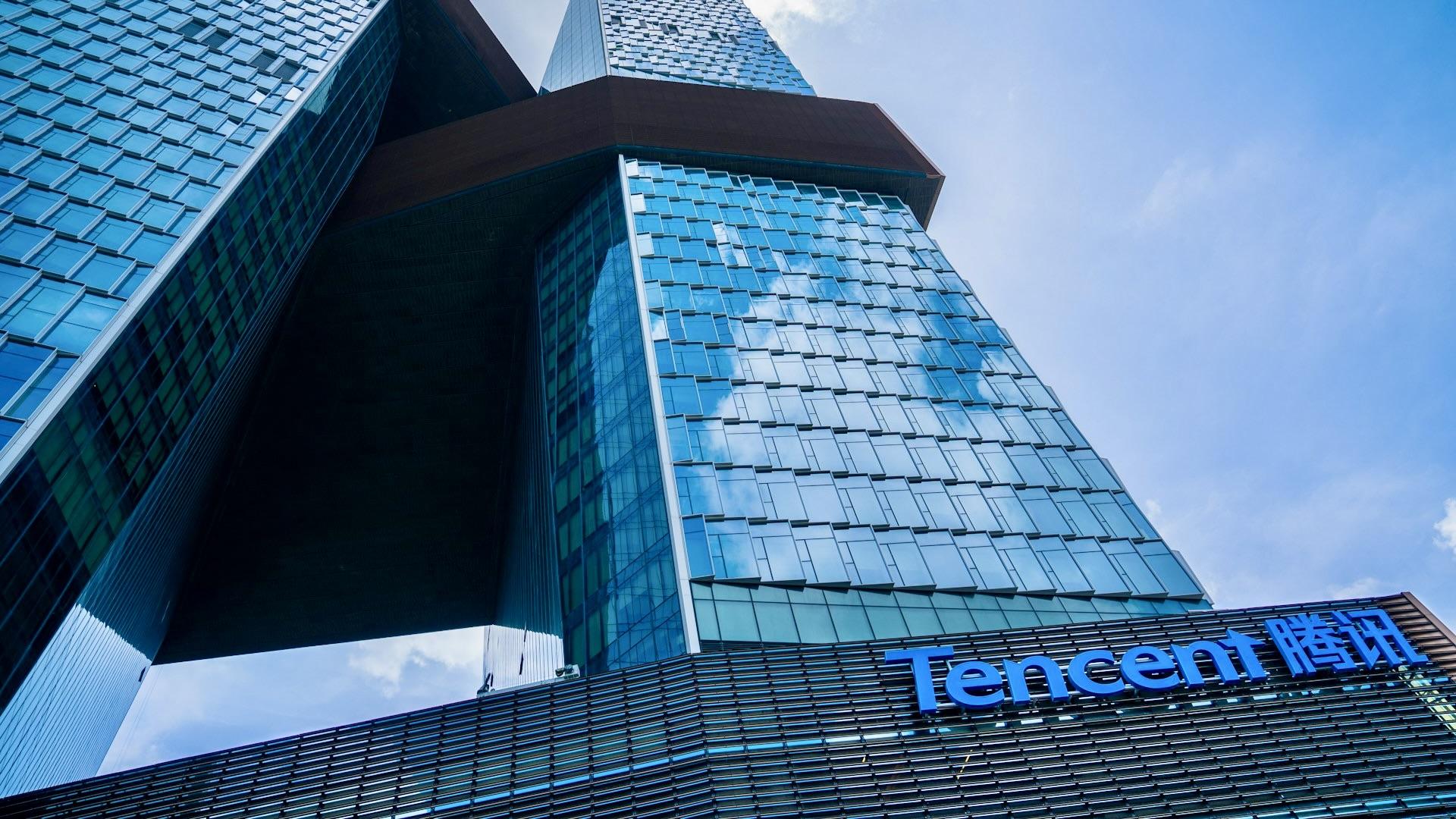
Chinese tech giants Tencent and Douyin, TikTok's sister app in China, have launched new initiatives to support local exporters affected by the intensifying U.S.-China trade war. These efforts aim to help export-reliant Chinese businesses pivot to domestic markets and explore new growth opportunities in Southeast Asia.
Tencent announced on Thursday a major campaign designed to generate 100 billion yuan (approximately $13.7 billion) in sales for struggling exporters. The company plans to assist firms in establishing domestic-focused operations while also leveraging Tencent’s vast digital ecosystem to enter emerging Southeast Asian markets.
Douyin, one of China's largest short video and e-commerce platforms, has introduced similar measures, offering tools and marketing support to manufacturers seeking to connect directly with Chinese consumers. Both platforms are leveraging their massive user bases to drive traffic and boost online retail engagement for participating exporters.
These programs reflect a broader strategic pivot among China’s major internet companies to help stabilize the economy and mitigate the impact of U.S. tariffs. Since the Trump administration imposed sweeping duties on Chinese goods, many exporters have faced steep declines in U.S. sales, prompting urgent efforts to diversify market access.
Tencent and Douyin’s initiatives are part of a growing trend among Chinese conglomerates to strengthen the domestic economy by encouraging consumption and supporting local businesses. The move also aligns with Beijing’s dual circulation strategy, which emphasizes internal economic resilience alongside global trade.
As geopolitical tensions continue to challenge traditional trade routes, digital platforms like Tencent and Douyin are stepping in to offer tech-driven solutions that could redefine the future of China’s export sector. These new strategies could serve as a lifeline for many firms seeking stability amid ongoing global uncertainty.