In today's financial landscape, personal loans have emerged as a significant component. For many, they represent a means to bridge temporary financial gaps, fund major purchases, or consolidate debt. However, navigating the world of personal loans requires a balanced and responsible approach. This article aims to shed light on the intricacies of personal loans, emphasizing that they are one of several options, not a panacea for financial challenges.
Understanding Personal Loans
A personal loan is a sum of money borrowed from a financial institution, credit union, or online lender that is paid back in fixed monthly payments, typically over two to seven years. Unlike secured loans, most personal loans are unsecured, meaning they do not require collateral, such as your home or car. The interest rates can vary significantly based on your credit score, income, and debt-to-income ratio.
Comparing and Choosing Wisely
Choosing the correct plan for you is one of the most essential parts to taking a new loan. Through Better Compared, a platform dedicated to providing transparent and unbiased comparisons of financial products, borrowers can make more informed decisions. It's essential to compare interest rates, fees, repayment terms, and lender reviews. Remember, the lowest interest rate doesn't always mean it's the best deal; terms and conditions matter significantly.
Why People Opt for Personal Loans
Personal loans can serve multiple purposes. They can be used for consolidating high-interest debts, such as credit card debts, into a single lower-interest loan, making it easier and potentially cheaper to pay off the debt. They are also sought for home renovations, medical expenses, weddings, or even vacations. The key is that a personal loan should be considered carefully, especially its impact on your financial health.
The Risks and Responsibilities
The accessibility of personal loans makes them an attractive option, but it's crucial to understand the responsibilities and risks. High-interest rates, especially for those with poor credit, can lead to a cycle of debt if not managed properly. Late or missed payments can severely impact your credit score. Borrowers should also be wary of origination fees, prepayment penalties, and other charges.
Alternatives to Personal Loans
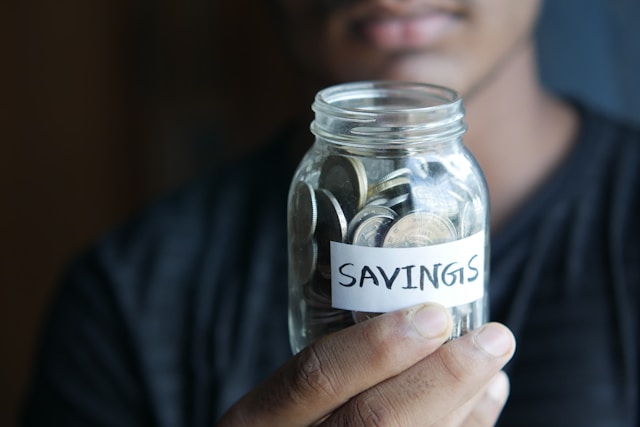
Before opting for a personal loan, consider other alternatives. Savings, if available, are the most cost-effective way to fund your needs. Credit cards, though generally higher in interest rates, might offer benefits for smaller, short-term borrowing. Borrowing from friends or family can be an option but comes with its own set of relational risks and should be approached with clear terms and understanding.
Budgeting and Emergency Funds
Building a budget and an emergency fund can often negate the need for a personal loan. An emergency fund, ideally covering three to six months of expenses, can provide a buffer in financial crises, lessening the need to borrow.
Seeking Financial Advice
It's always advisable to consult with a financial advisor before making any borrowing decisions. They can provide personalized advice based on your financial situation, helping you to understand the implications of taking out a loan and exploring other financial options.
The Ethical Perspective
While personal loans can be a useful tool in managing your finances, they should never be viewed as a means to live beyond your means or as an easy solution to financial problems. It’s imperative to maintain a responsible and ethical stance when considering a loan. This means borrowing only what you need, having a clear repayment plan, and understanding the full implications of the loan agreement.
Conclusion
Personal loans can be a practical financial tool when used responsibly. They should be considered alongside other financial options, with a clear understanding of the terms and implications. Through platforms like Better Compared, individuals can gain the knowledge needed to make informed decisions. Remember, a loan is not always the solution but one of many tools in your financial toolkit. Responsible borrowing and financial management are key to maintaining a healthy financial life.
This article does not necessarily reflect the opinions of the editors or management of EconoTimes.