


 US-Led Coalition Targets Global Factory Overcapacity
  Nomura Asset Management Targets Global Investors as Japan Markets Gain Appeal
  Office design isn’t keeping up with post-COVID work styles - here’s what workers really want
  Circle Stock Falls 4% as Crypto Selloff Overshadows SAP Pay Expansion
  Litecoin Marks 15 Years as Grayscale Backs LTC ETF Push
  Oil Prices Rise as Hormuz Risks Offset IEA Stock Release
  Time to buy local: war fuel price shocks reveal the folly of a long food supply chain
  The Beauty Beneath the Expressway: A Journey from Self to Service
  Crypto Market Selloff Wipes Out $100B as Bitcoin Falls Below $83K
  Florida Seeks Tougher Meta Rules to Protect Young Users
  Deere, CNH and AGCO Stocks Fall as FTC Launches Farm Equipment Probe
  Broadcom, Oracle and SpaceX Seek Billions in Private Debt for AI Expansion
  The American mass exodus to Canada amid Trump 2.0 has yet to materialize
  JPMorgan CEO Jamie Dimon Warns Mythos AI Raises Cyber Risk Tenfold
  GSR Commits $100M to Hare Onchain Credit Vaults
  US Stock Futures Flat as Fed Minutes, Earnings Loom


 Add as a preferred source on Google
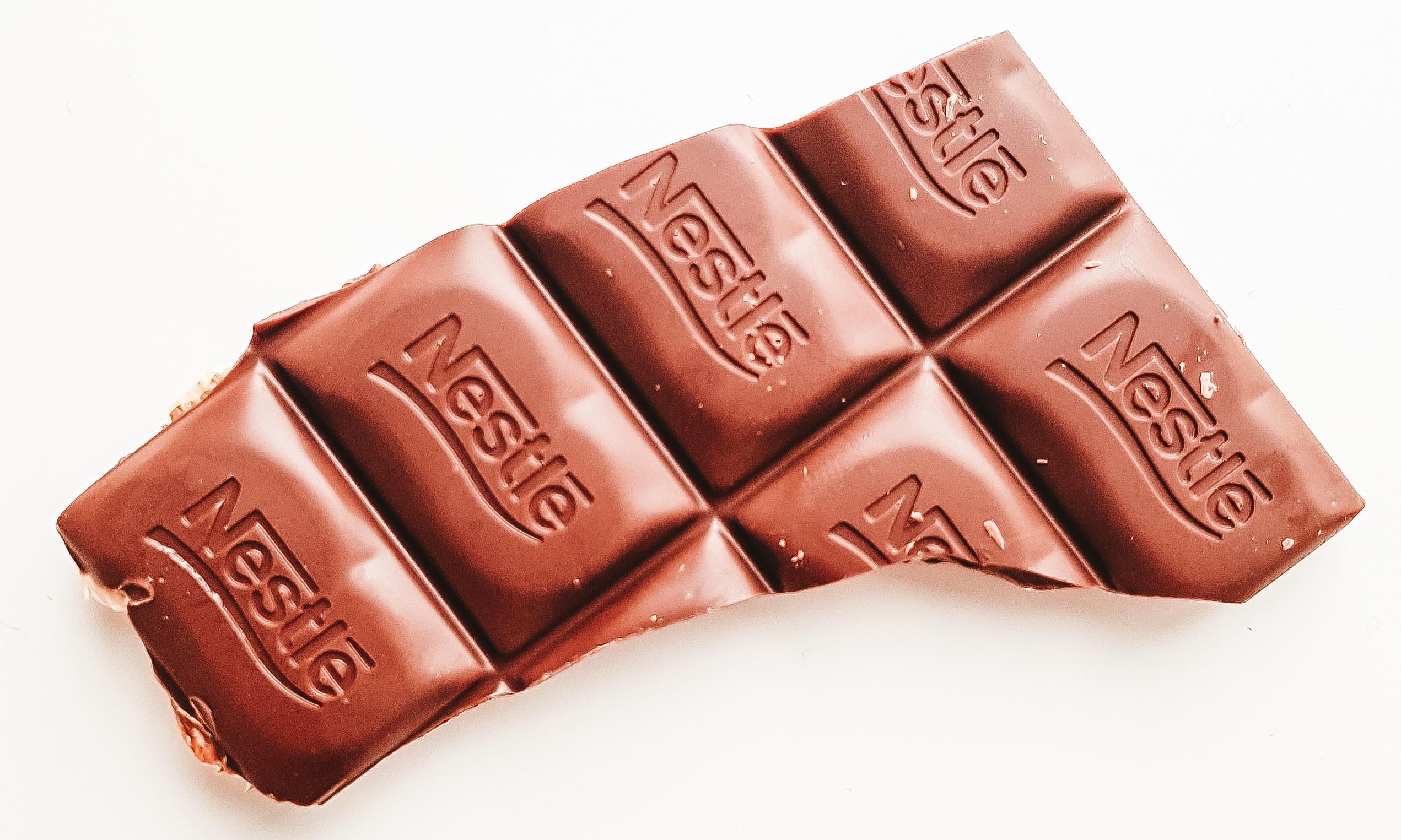
Nestlé's long-awaited acquisition of Brazil's Garoto, a prominent chocolate manufacturer, has been given approval by the Administrative Council for Economic Defense, concluding a 20-year delay.
The agreement for Nestle to acquire Garoto was made in 2002, but the clearance delayed the transaction. Throughout the period, Nestlé has continued to invest in and develop the Garoto production site in Vila Velha, eastern Brazil.
The deal was approved with conditions by the Administrative Council for Economic Defense (Cade), an antitrust body, for Nestlé to ensure that the Garoto factory remains "open and fully operational" for a minimum of seven years, said a Nestlé Brazil spokesperson.
In addition, Nestlé has promised to withhold acquiring companies or brands that hold at least a 5% share of Brazil's chocolate market for five years, as per Nielsen data. Meanwhile, Garoto will invest $88.4 million in production capacity and innovation over the next two years, following 270 million reais of investment over the last two years.
The clearance was also conditional on Nestlé's signing a merger control agreement focused on corporate behavior to preserve a fair competition balance in the region's chocolate industry.
The purchase, blocked in 2002 due to antitrust concerns related to Nestlé's potentially near-60% monopoly of the region's chocolate market, had been under scrutiny by authorities for years. Following an extensive review by Cade's General Superintendence, which discovered that there had been a significant influx of competitor entries between 2001 and 2021 in segments related to Nestlé and Garoto's chocolate products.
This shift in market conditions meant Cade no longer believed that Nestlé's original proposal warranted vetoing, which led to allowing its acquisition of Garoto.
As a result, Nestlé has finally completed the Garoto merger, bringing two well-known brands together. Garoto brings a significant presence to the Swiss food giant in South America.
Photo: inma santiago/Unsplash







