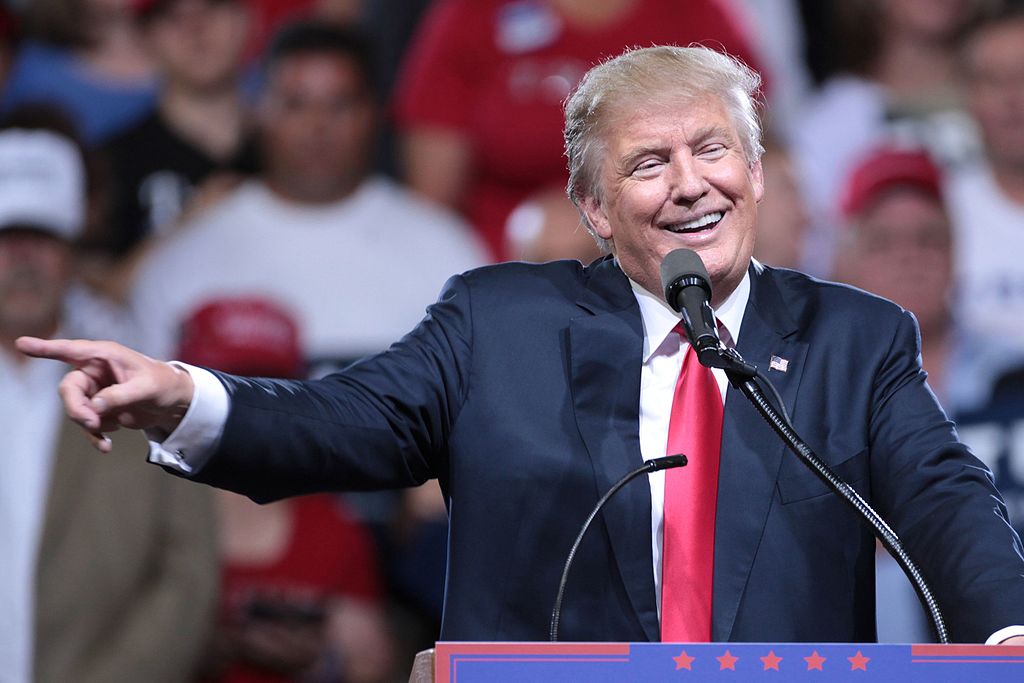
Former President Donald Trump recently clarified reports regarding Ukrainian President Volodymyr Zelensky’s attendance at his upcoming inauguration, should Trump win re-election. Speaking to reporters, Trump stated he did not formally invite Zelensky but added, “He can come if he wants.” The comment sparked immediate reactions across political and diplomatic circles, as Ukraine continues to play a central role in global geopolitics.
Trump’s remarks were made amid ongoing scrutiny over U.S.-Ukraine relations, with critics questioning his position on supporting the war-torn country. This clarification follows weeks of speculation surrounding Zelensky’s possible attendance, with some reports suggesting a formal invitation had been extended. Trump’s team, however, maintains that no official overture was made.
The former president’s comments highlight his evolving stance on Ukraine, especially in the context of the ongoing conflict with Russia. Trump reiterated that while Zelensky would not receive a formal invitation, his presence would not be unwelcome.
Diplomatic Tensions Surround U.S.-Ukraine Relations
Trump’s statement comes at a delicate moment for Ukraine, as Zelensky continues to seek robust support from Western allies, including the United States. The war in Ukraine remains a contentious issue in U.S. politics, with debates over military funding and diplomatic commitments dominating headlines.
During Trump’s presidency, relations with Ukraine were marked by controversy, particularly surrounding military aid and political investigations. His most recent remarks have revived debates about whether Trump’s approach to Ukraine signals a shift in U.S. foreign policy priorities.
Political analysts suggest Trump’s comment was intended to balance his campaign messaging, appealing to his base while acknowledging Ukraine’s ongoing challenges. “Trump’s clarification is carefully worded,” said Dr. Anthony Barker, a political analyst. “It avoids direct confrontation but leaves room for flexibility if Zelensky attends.”
Meanwhile, the Biden administration remains steadfast in its support for Ukraine, pledging continued military and financial aid. The juxtaposition of Trump’s stance with the current administration’s policies further amplifies the divide among American voters.
Mixed Reactions from the Public and Online Critics
Trump’s statement quickly sparked reactions on social media, with supporters and critics voicing their opinions on Zelensky’s possible attendance. Here’s what some netizens had to say:
- @PatriotFirst77: “Trump is right to draw a line—Ukraine needs to focus on fixing its own problems!”
- @GlobalPeaceNow: “If Zelensky isn’t invited, why make it sound like he’s welcome? Confusing message, as always.”
- @MAGA2024Forever: “Trump is showing leadership. Zelensky doesn’t need a gold-plated invite to come to the U.S.”
- @TruthWins2024: “Ukraine deserves more respect. This is not the way to handle diplomatic relations.”
- @PoliticsAndPeace: “Zelensky’s presence or absence will say a lot about U.S.-Ukraine ties under Trump 2.0.”
- @VoterChoice2024: “Trump’s comment is clear—no invite, no pressure. Zelensky’s got bigger issues to solve.”
The mixed reactions underscore the polarizing nature of Trump’s foreign policy statements, especially concerning Ukraine’s leadership.
What Lies Ahead for U.S.-Ukraine Diplomacy
As Trump prepares for the next election cycle, his stance on Ukraine remains a focal point of his campaign. Whether or not Zelensky chooses to attend Trump’s potential inauguration could carry significant implications for future U.S.-Ukraine relations.
For now, Trump’s statement reflects a measured tone—offering Zelensky the option to attend without issuing a formal invitation. As the political landscape continues to shift, observers are closely watching how this diplomatic dance unfolds.