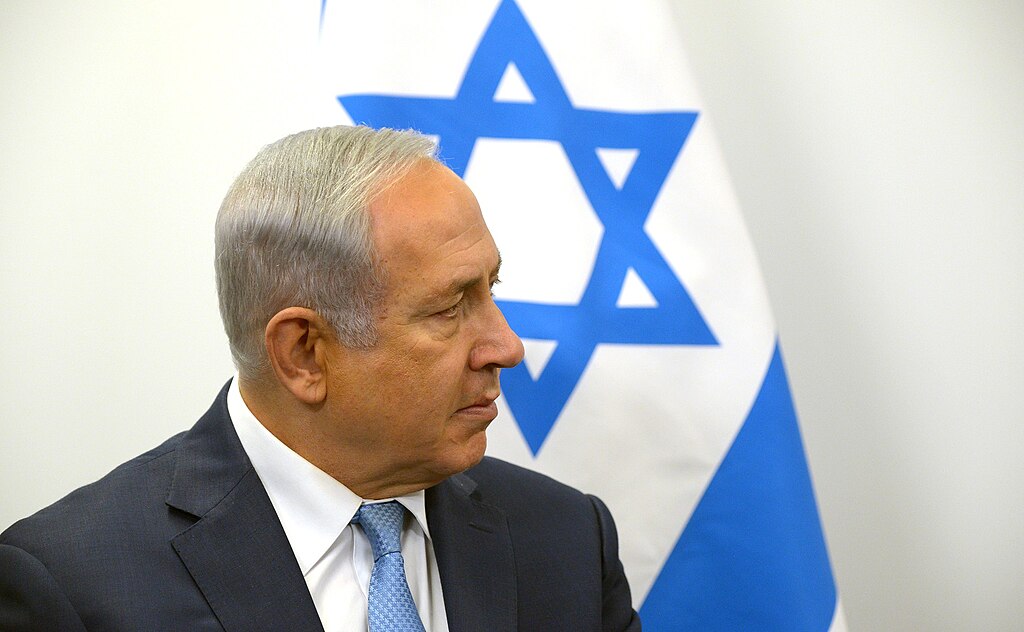
Israeli Prime Minister Benjamin Netanyahu has warned the United States that Iran is unlikely to honor any future nuclear agreement, as diplomatic efforts between Washington and Tehran are set to resume. Netanyahu conveyed his concerns during a meeting on Tuesday with U.S. Special Envoy Steve Witkoff, emphasizing Israel’s long-held position that Tehran’s commitments cannot be trusted based on past behavior.
According to a statement from Netanyahu’s office, the Israeli leader stressed that Iran has repeatedly failed to uphold its promises under previous agreements. The high-level meeting underscored the seriousness of Israel’s stance, with senior officials in attendance including Mossad chief David Barnea, Defense Minister Israel Katz, and Israel Defense Forces Chief of Staff Eyal Zamir. Their presence highlighted Israel’s security concerns amid renewed negotiations over Iran’s nuclear programme.
The discussions come as the United States and Iran prepare to resume nuclear talks on Friday in Turkey. Iranian sources previously told Reuters that former U.S. President Donald Trump had outlined three core conditions for restarting negotiations: a complete halt to uranium enrichment in Iran, strict limits on Tehran’s ballistic missile programme, and an end to its support for regional proxy groups. These demands closely align with Israel’s longstanding red lines on Iran’s military and regional influence.
Iran has consistently rejected all three conditions, calling them violations of its national sovereignty. However, two Iranian officials indicated that while uranium enrichment remains a sensitive issue, Tehran views restrictions on its ballistic missile programme as the most significant obstacle to reaching an agreement.
Tensions between Iran and the United States remain elevated. Trump has warned that “bad things” could happen if diplomacy fails, particularly as U.S. warships, including an aircraft carrier strike group, have been deployed to the Middle East. The military buildup has expanded Washington’s capacity for potential military action amid ongoing friction.
The geopolitical strain is further compounded by Iran’s recent internal unrest. During protests in early January, witnesses and human rights organizations reported that security forces used lethal force to suppress demonstrations, resulting in thousands of deaths and injuries. Iranian authorities blamed the violence on armed groups allegedly linked to Israel and the United States, accusations denied by both countries.
As nuclear talks resume, skepticism from Israel, mounting U.S. military pressure, and Iran’s internal and regional challenges all cast uncertainty over the prospects for a renewed nuclear deal.