


 Xiaomi Shares Surge 7.6% as SkyNomad EV Orders Hit 70,000
  Can your cat recognise you by scent? New study shows it’s likely
  Time to buy local: war fuel price shocks reveal the folly of a long food supply chain
  Stellar Overtakes Ethereum in RWA Fund Inflows as XRP Leads Commodities
  Oracle Uses Trucked Natural Gas to Power AI Data Centers Amid Pipeline Delays
  Apple Cuts iPhone 18 Pro Production Orders Amid Weak Demand
  OpenAI Revenue Hits $50 Billion, Below Earlier $70 Billion Estimate
  Britain has almost 1 million young people not in work or education – here’s what evidence shows can change that
  Why financial hardship is more likely if you’re disabled or sick
  The ghost of Robodebt – Federal Court rules billions of dollars in welfare debts must be recalculated
  TSMC Q3 Revenue Beats Estimates as AI Chip Demand Surges
  Booked to travel through the Middle East? Here’s why you shouldn’t cancel your flight
  Stuck in a creativity slump at work? Here are some surprising ways to get your spark back
  Amazon Cuts More Jobs as AI Investment Expands
  Disney Expands Infinity Vision to Challenge Imax
  Morgan Stanley Raises Coinbase Stock Price Target to $258 Ahead of Earnings
  Ripple Chairman Chris Larsen Donates $22.5 Million Ahead of US Midterms


 Add as a preferred source on Google
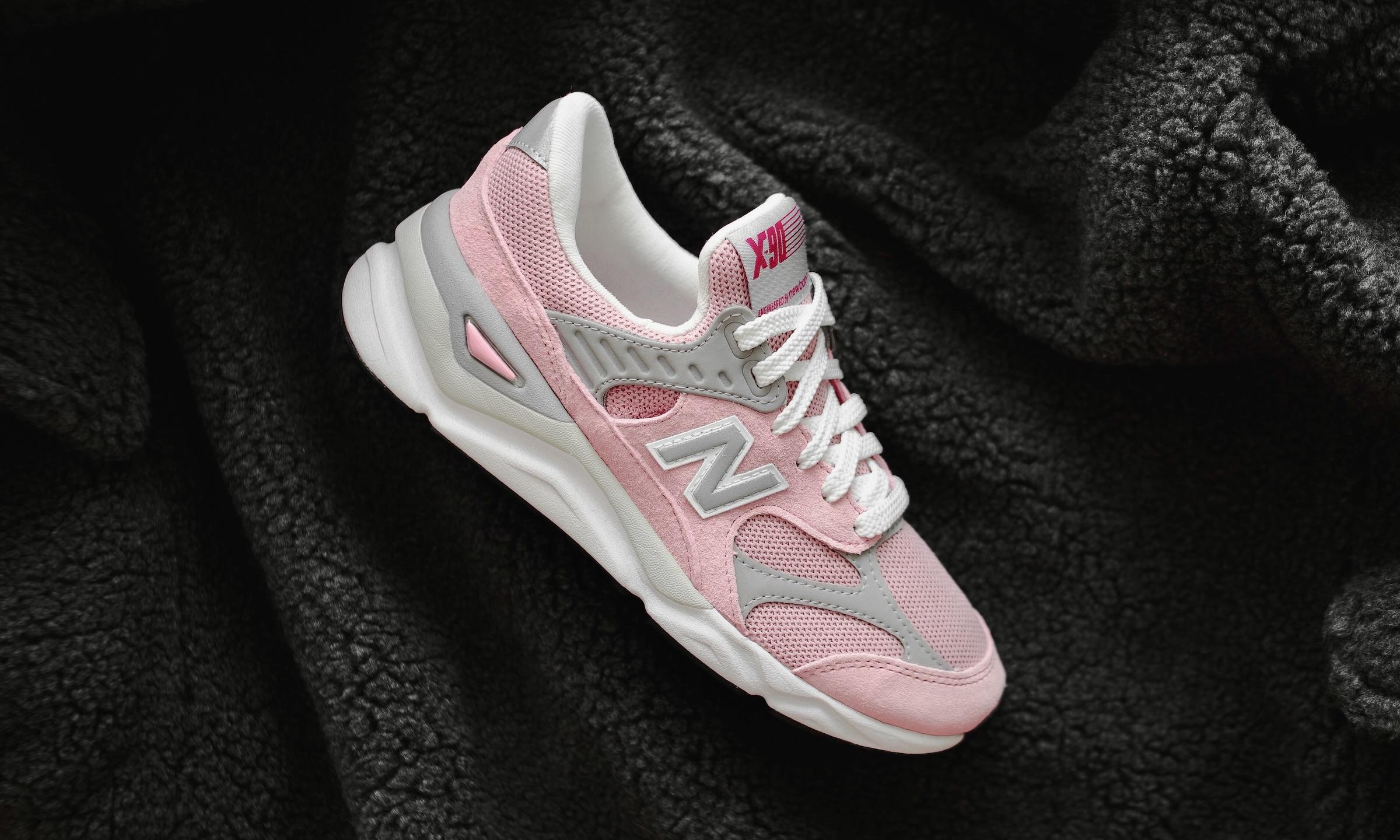
The athletic wear industry is significantly shifting towards more ethical sourcing practices. In a recent announcement, New Balance, one of the leading sports brands, revealed its plans to phase out the use of kangaroo skins in their shoes.
The decision comes as a response to growing concerns about animal welfare and sustainability. New Balance, which EconoTimes reported to have recalled a shoe model in Malaysia for containing pigskin, follows in the footsteps of Nike, Puma, and Diadora in pledging to discontinue kangaroo skins in their products.
The Kangaroos Are Not Shoes campaign, led by the Center for a Humane Economy, has raised awareness about the issue. For over three years, the campaign has highlighted the need to protect kangaroos from commercial slaughter and urged athletic shoe brands to implement more ethical practices.
Progress in Eliminating Kangaroo Skin Sourcing
The campaign's impact is evident, with four of the five biggest global athletic shoe brands now having policies to stop sourcing kangaroo skins. Alongside New Balance and Nike, Puma and Diadora have taken a stand against using these skins in their products. However, Adidas, based in Germany, remains the exception among the major brands.
"New Balance deserves our praise for pledging to disassociate itself from the wildlife-skin trade," said Wayne Pacelle, president of the Center for a Humane Economy and Animal Wellness Action, as quoted by Apparel Resources.
Pressure on Other Shoemakers
Nike, Puma, and New Balance's pledge to eliminate the use of kangaroo skins in their offerings and embrace sustainable synthetics further cements a trend that has been prevalent for years, according to EI News. Out of the 172 goals scored in last year's World Cup, 164 were from players wearing synthetic shoes or conventional leather, with synthetics dominating.
While New Balance and other major brands have taken significant steps towards ending the use of kangaroo skins, companies in the industry still continue to utilize these materials.
Mizuno, a prominent footwear manufacturer based in Japan, is one such company that remains under pressure from the Center for a Humane Economy to change their practices. With more brands embracing ethical sourcing policies, the future looks promising for Australia's iconic marsupial.
Photo: Maksim Larin/Unsplash







