New Orleans attack suspect revealed as ex-Army man Shamsud Din Jabbar; unanswered questions spark intense debate and outrage.
Suspect Identified in New Orleans Tragedy
The man behind the devastating attack in New Orleans that left multiple casualties has been identified as 42-year-old Shamsud Din Jabbar. Authorities revealed the suspect, born and raised in Texas, served in the U.S. Army before committing the heinous act that has plunged the nation into mourning. Jabbar rammed his car into a crowd of pedestrians on New Year’s Eve, sparking chaos and raising questions about his motives.
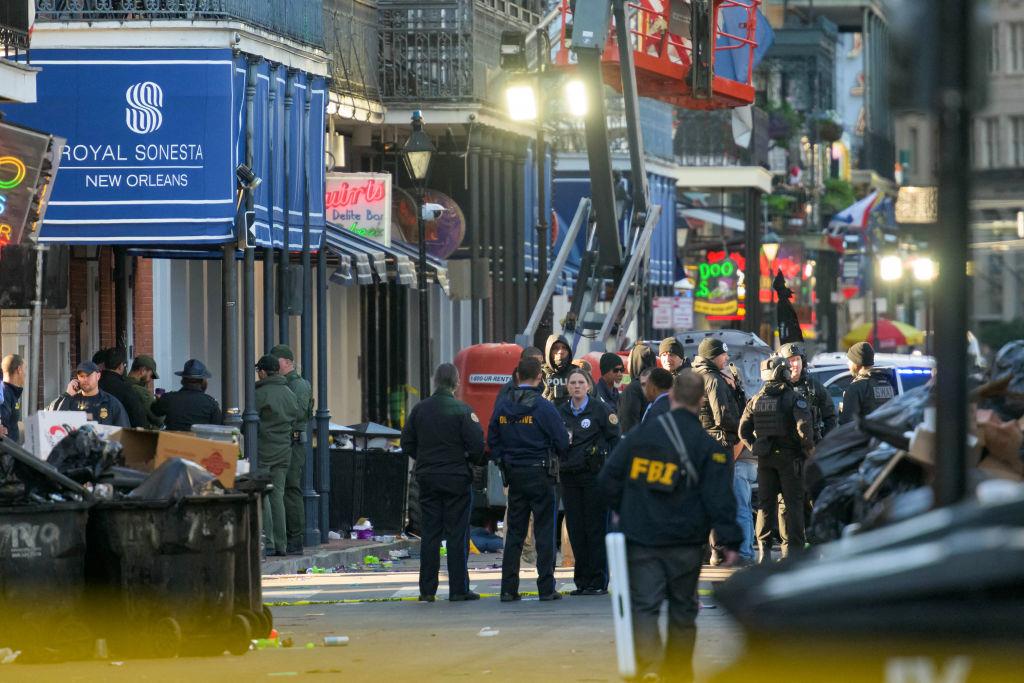
Law enforcement is currently piecing together the life and circumstances leading up to the tragic event. Investigators have not yet disclosed whether Jabbar acted alone or was influenced by external forces. The Federal Bureau of Investigation (FBI) is collaborating with local authorities to uncover the attack's full scope and any potential links to organized networks.
A Nation Reeling from the Aftermath
Eyewitness accounts describe a harrowing scene, with the sound of screeching tires, screams, and chaos reverberating through the city. Emergency responders swiftly transported the injured to nearby hospitals, while the area was cordoned off as an active crime scene.
Authorities confirmed that Jabbar was killed during a confrontation with police. While initial reports speculated the presence of improvised explosive devices and gunfire, officials have since clarified that these details remain under investigation. Meanwhile, residents of New Orleans are grappling with fear, grief, and questions about how such a tragedy could occur in their city.
President Joe Biden addressed the nation, calling the attack a "horrific act of violence" and pledging federal resources to assist with the investigation. “We stand united with New Orleans and its people in this difficult time,” Biden remarked.
Netizens React with Shock and Speculation
The revelation of Jabbar’s identity has sparked widespread reactions on social media, with users expressing a mix of grief, outrage, and bewilderment.
“This is heartbreaking. How could someone who served in the Army turn into a monster like this?” tweeted @PatriotVoiceUSA.
“We need answers. Mental health support for veterans is crucial if we want to stop tragedies like this,” wrote @JusticeMatters.
Others speculated about his motives. “Something doesn’t add up. What pushed this man to commit such an atrocity?” questioned @TruthSeeker2025.
Calls for enhanced security measures dominated discussions. “We need stricter protocols to prevent attacks like this. Innocent lives shouldn’t be at risk,” tweeted @SecureAmerica.
However, some urged unity in the face of division. “This is not the time for blame. We must come together and support the victims,” posted @HopeForNOLA.
A few users pointed out systemic failures. “How many more attacks will it take for us to address the root causes?” noted @StopTheCycle.
Ongoing Investigation and Community Healing
As the FBI and local police intensify their investigation, New Orleans remains on high alert. Authorities have called on anyone with relevant information to step forward. Community leaders have begun organizing vigils to honor the victims, while mental health services are being offered to residents affected by the tragedy.
Despite the uncertainty surrounding Jabbar’s motives, one thing is clear: the city of New Orleans is resolute in its determination to recover from this tragedy. As the investigation unfolds, the nation watches closely, searching for answers and striving for healing.