Scientists managed to find genetic properties of plants that can allow them to resist extreme drought and provide food even with limited water. This is an extremely important development amid increasingly devastating effects of climate change and resistance from political leaders to do anything about it.
The discovery was made by scientists from the Oak Ridge National Laboratory, which operates under the Department of Energy, Phys.org reports. These scientists managed to find the genetic mechanisms that allow some species of plants to exist in arid regions or even thrive by conserving water.
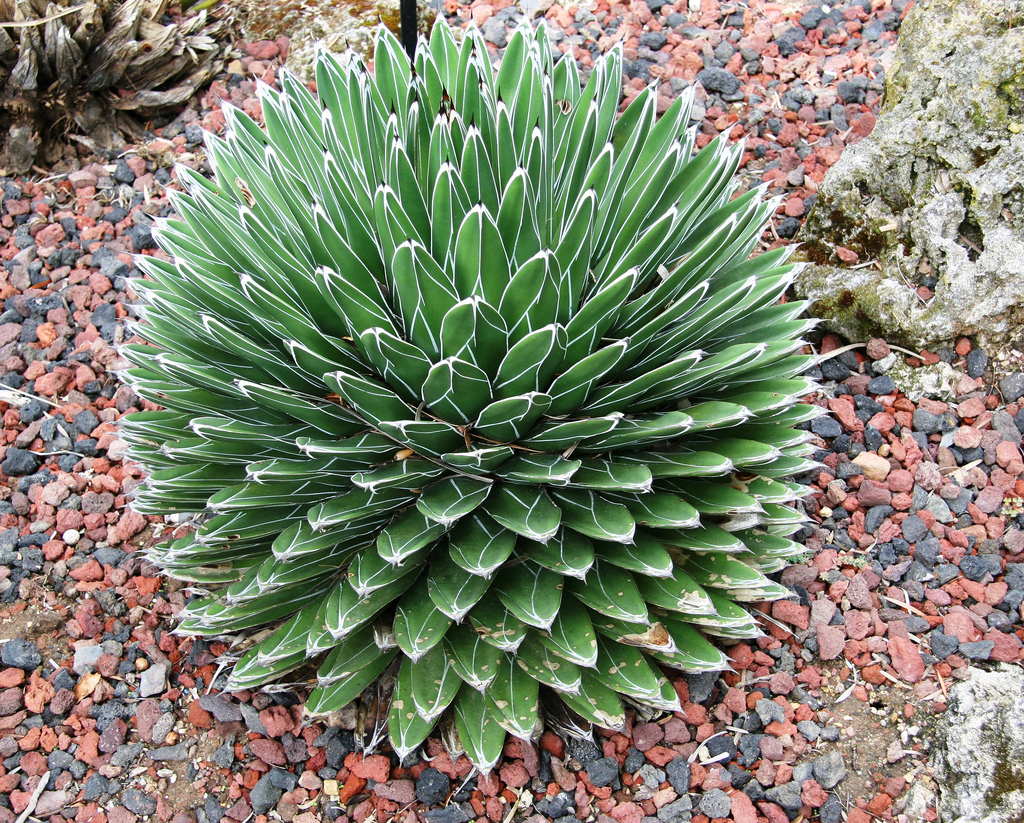
One of the best examples of plants that managed to grow in areas that are relatively devoid of moisture is Agave. By developing what’s called crassulacean acid metabolism (CAM), this species of plant managed to manipulate photosynthesis to a point where it can preserve water during the day by closing its pores. At night, the pores open to absorb carbon dioxide, which it processes the next day.
Agave and select plants that share its drought-resistant nature already offer qualities that humans can use as resources such as creating liquor or sugar replacements. Now, scientists want to find a way to apply their qualities that allow them to survive arid regions to other crops and essential plants.
So far, genetically manipulating crops to have Agave-like hardiness is still out of the question, but at least scientists are now one step closer to actually making this happen. This needs to be done soon, as well, with political leaders seemingly unable to take significant steps to address extreme drought without conflict.
It’s not just crops like corn, rice, and wheat that can benefit from this study either. With Christmas trees dying out thanks to the recent increase in temperature all over the U.S., even holiday traditions are at risk of going away.