


 China Shuts 670 Banks as Bitcoin Eyes Financial Risks
  FDA Weighs Safety Standards for Psychedelic Therapies
  Trump Administration Bars U.S. Travelers From Congo Flights Amid Ebola Outbreak
  Eli Lilly’s Inluriyo Gains FDA Approval for Advanced Breast Cancer Treatment
  NASA's Artemis II Crew Arrives in Florida for Historic Moon Mission
  Tabletop particle accelerator could transform medicine and materials science
  Novo Nordisk Strikes €1.17 Billion Nanexa Drug Delivery Deal
  Trump Opens Tax-Exempt Dyed Diesel Access as Fuel Prices Surge
  Asian Currencies Steady as Dollar Holds Near 18-Month High
  SpaceX’s Starship Completes 11th Test Flight, Paving Way for Moon and Mars Missions
  Trump Signs Order to Cut Routine Childhood Vaccines
  AstraZeneca Q2 Earnings Beat Forecasts as Oncology Growth Supports 2026 Outlook
  S&P 500 Hits Record High as AI Rally Lifts Wall Street
  GLP-1 Weight-Loss Drug Use Surges Among U.S. Children
  New York Declares Measles Disaster Emergency as Cases Surge
  Ukraine Faces $56 Billion Budget Gap as War Costs Soar


 Add as a preferred source on Google
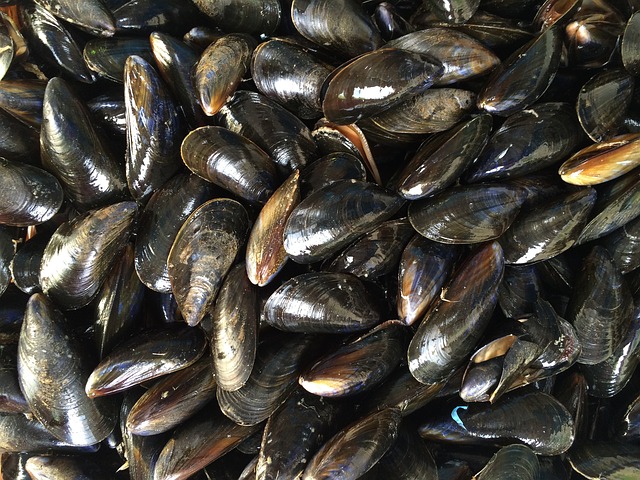
South Korean scientists have developed a method using mussel adhesive protein to connect severed nerve ends without the need to use suture threads.
A joint research team from Pohang University of Science and Technology, Ewha Woman's University, and the Catholic University of Korea Seoul St. Mary’s Hospital announced that it had developed a hydrogel adhesive for medical use based on mussel adhesive protein.
Nerves are one of the more difficult tissues to replicate. As a result, when they are cut, the only option to rejoin them is to carefully sew them together with suture threads.
This approach, however, necessitates a high level of medical expertise and takes a long time. Furthermore, there is a possibility that the secondary injury induced by suture thread penetration will impede nerve cell proliferation.
The researchers aimed to address these issues by transforming mussel adhesive protein into a jelly-like photo-crosslinking hydrogel adhesive.
The protein secreted by mussels to adhere to the moist surfaces of solid rocks is known as mussel adhesive protein.
When not exposed to light, this adhesive lives as a liquid. When exposed to visible light, it rapidly transforms into a hydrogel with sticky properties.
The use of this glue to connect severed nerve segments helps to avoid further injury and minimize immunological inflammation.







