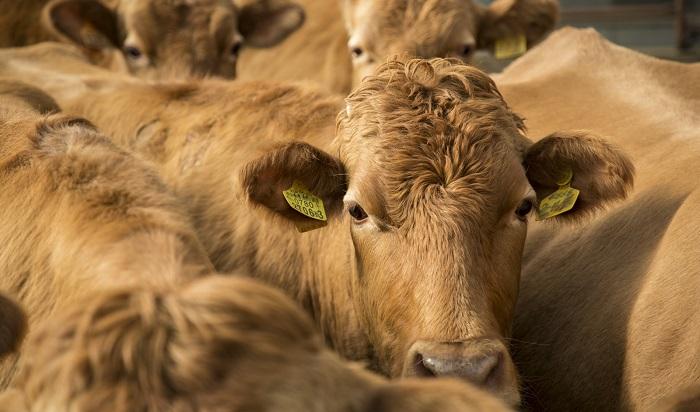
The Korea Institute of Energy Research has reduced livestock waste odor through the use of fermented rice husks and microorganisms.
By compounding a photosynthetic bacterium dubbed rhodobacter sphaeroides into a cultivated effective microorganism, the research team succeeded in removing more than 99 percent of ammonia within 30 minutes.
Ammonia is the main cause of bad odors associated with livestock waste,
An oxidation heat of 60 to 80 degrees Celsius was also generated while dissolving sludge, a water treatment sediment, contributing to reducing the energy cost for drying.
The research team used rice husk, which is about 25 to 40 percent cheaper than sawdust.
With the weight of the sludge reduced by 91 percent in nine days, it is more than three times faster than sawdust.

SpaceX Starship Explodes in Texas During Test, Citing Nitrogen Tank Failure
FDA Lifts REMS Requirement for CAR-T Cell Cancer Therapies
Gold Prices Edge Higher as Markets Await Key U.S. PCE Inflation Data
Eli Lilly’s Inluriyo Gains FDA Approval for Advanced Breast Cancer Treatment
BOJ Governor Ueda Highlights Uncertainty Over Future Interest Rate Hikes
Visa to Move European Headquarters to London’s Canary Wharf
European Oil & Gas Stocks Face 2026 With Cautious Outlook Amid Valuation Pressure
IKEA Expands U.S. Manufacturing Amid Rising Tariffs and Supply Chain Strategy Shift
Gold Prices Steady as Markets Await Key U.S. Data and Expected Fed Rate Cut
Neuralink Expands Brain Implant Trials with 12 Global Patients
IMF Deputy Dan Katz Visits China as Key Economic Review Nears
Anthropic Reportedly Taps Wilson Sonsini as It Prepares for a Potential 2026 IPO
Tesla Expands Affordable Model 3 Lineup in Europe to Boost EV Demand
China Urged to Prioritize Economy Over Territorial Ambitions, Says Taiwan’s President Lai
Australia Moves Forward With Teen Social Media Ban as Platforms Begin Lockouts
Lost in space: MethaneSat failed just as NZ was to take over mission control – here’s what we need to know now 


