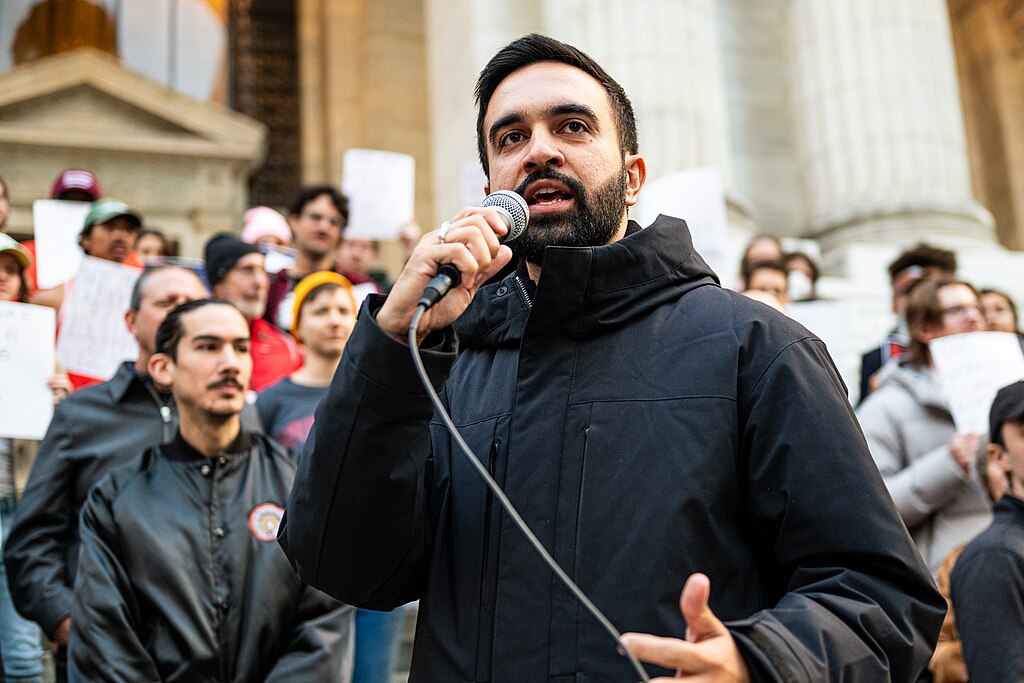
New York City Mayor Zohran Mamdani on Friday defended his decision to revoke a series of executive orders issued by his predecessor, former Mayor Eric Adams, following Adams’ 2024 federal indictment. The move has reignited debates around immigration policy, antisemitism, Israel, and trust in city government, placing Mamdani at the center of national political attention.
The revoked measures include more than a dozen executive orders Adams signed after being charged with accepting illegal campaign contributions and luxury travel from Turkish nationals seeking political influence. One of the most controversial orders allowed federal agents, including immigration officers, to operate from an office at Rikers Island, the city’s main jail. That directive was later struck down by a court, but Mamdani said its existence symbolized a broader erosion of public trust.
Recalling the day of Adams’ indictment on September 26, 2024, Mamdani described it as a turning point when many New Yorkers felt city leadership was no longer prioritizing the public interest. Although the charges against Adams were dismissed in April at the request of the U.S. Justice Department, the case remains a defining issue in city politics.
Mamdani also revoked executive orders Adams had framed as efforts to combat antisemitism. These included measures that blocked city institutions from divesting from Israel and adopted the International Holocaust Remembrance Alliance (IHRA) definition of antisemitism. Critics, including the Council on American-Islamic Relations, argue the IHRA definition has been used to silence advocacy for Palestinian rights.
Addressing concerns, Mamdani, who is Muslim and has faced accusations of antisemitism over his support for Palestinians in Gaza, said his administration will increase funding to prevent hate crimes and prioritize the protection of Jewish New Yorkers. He emphasized that revoking the orders does not weaken the city’s commitment to fighting antisemitism.
The decision drew sharp criticism from Israel’s Foreign Ministry, which accused Mamdani of fueling antisemitism, while Islamic organizations praised the move. As a left-wing Democrat, Mamdani has also clashed with Republican President Donald Trump over immigration enforcement, further highlighting the national implications of his policies.