


 ECB May Stop Rate Hikes After December, Capital Economics Says
  Trump Demands Powell Resign Over Fed Renovation Cost Overruns
  Asian Stocks Rise as Chipmakers Rally on Micron Earnings
  RBA Hikes Interest Rate to 4.60% as Inflation Risks Rise
  Fed Unveils Stablecoin Rules Under GENIUS Act
  Yen Sinks as BOJ Rate Hike Fails to Impress Markets
  Australia Trade Surplus Shrinks Sharply as Imports Surge
  Fed Unveils Stablecoin Rules Under GENIUS Act
  Dollar Eases Near Two-Month High as Yen Rebounds
  US Alcohol Ban Exposes Canada’s Internal Trade Barriers
  Asian Currencies Mixed as Yen Weakens, RBA Hike Looms
  Gold Prices Slip as High Treasury Yields Weigh on Bullion
  US Stocks Slip as Treasury Yields Ease, AI Trade Rebounds


 Add as a preferred source on Google
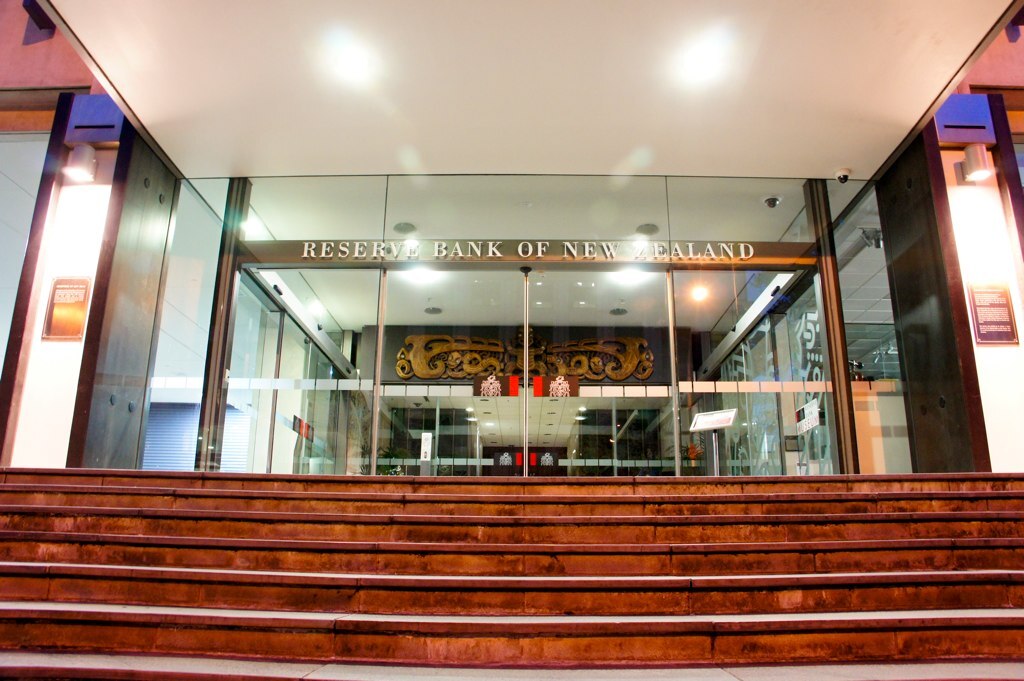
New Zealand’s central bank is moving toward a lower neutral interest rate as inflation subsides and pandemic-related disruptions wane. Reserve Bank of New Zealand (RBNZ) Chief Economist Paul Conway highlighted the need to cautiously adjust monetary policy, noting that the current 4.25% official cash rate (OCR) remains restrictive compared to the estimated neutral range of 2.5% to 3.5%.
Since August, the RBNZ has reduced the OCR by 125 basis points, reflecting easing inflation and a contracting economy that entered recession in the third quarter. Conway indicated further cuts are likely, with the central bank signaling a potential 50 basis point reduction in its next meeting.
Inflation in the fourth quarter dropped to an annual rate of 2.2%, comfortably within the central bank’s 1%-3% target range for the second consecutive quarter. Conway attributed this trend to easing pricing pressures and declining inflation expectations, which provide room for additional monetary easing.
Looking ahead, the RBNZ expects inflationary pressures to continue easing through 2025, supported by rate cuts spurring economic activity. While growth is forecasted to rebound in the next two years, constraints such as declining inward migration and weak productivity growth are expected to limit the economy’s potential expansion. Conway emphasized this “modest speed limit” could help prevent inflation from overheating during recovery.
The central bank remains cautiously optimistic, with its monetary policy committee confident that rate adjustments will strike a balance between stimulating growth and maintaining inflation control, setting the stage for sustainable economic recovery.







