Oil prices stabilized in Asian trade on Wednesday, supported by a smaller-than-expected rise in U.S. crude inventories. The American Petroleum Institute (API) reported a 2.86 million-barrel build for the week ending January 24, below forecasts of 3.7 million barrels. Official inventory data, due later on Wednesday, often aligns with API figures. Recent cold weather and increased travel demand over the holidays had driven nine consecutive weeks of inventory draws.
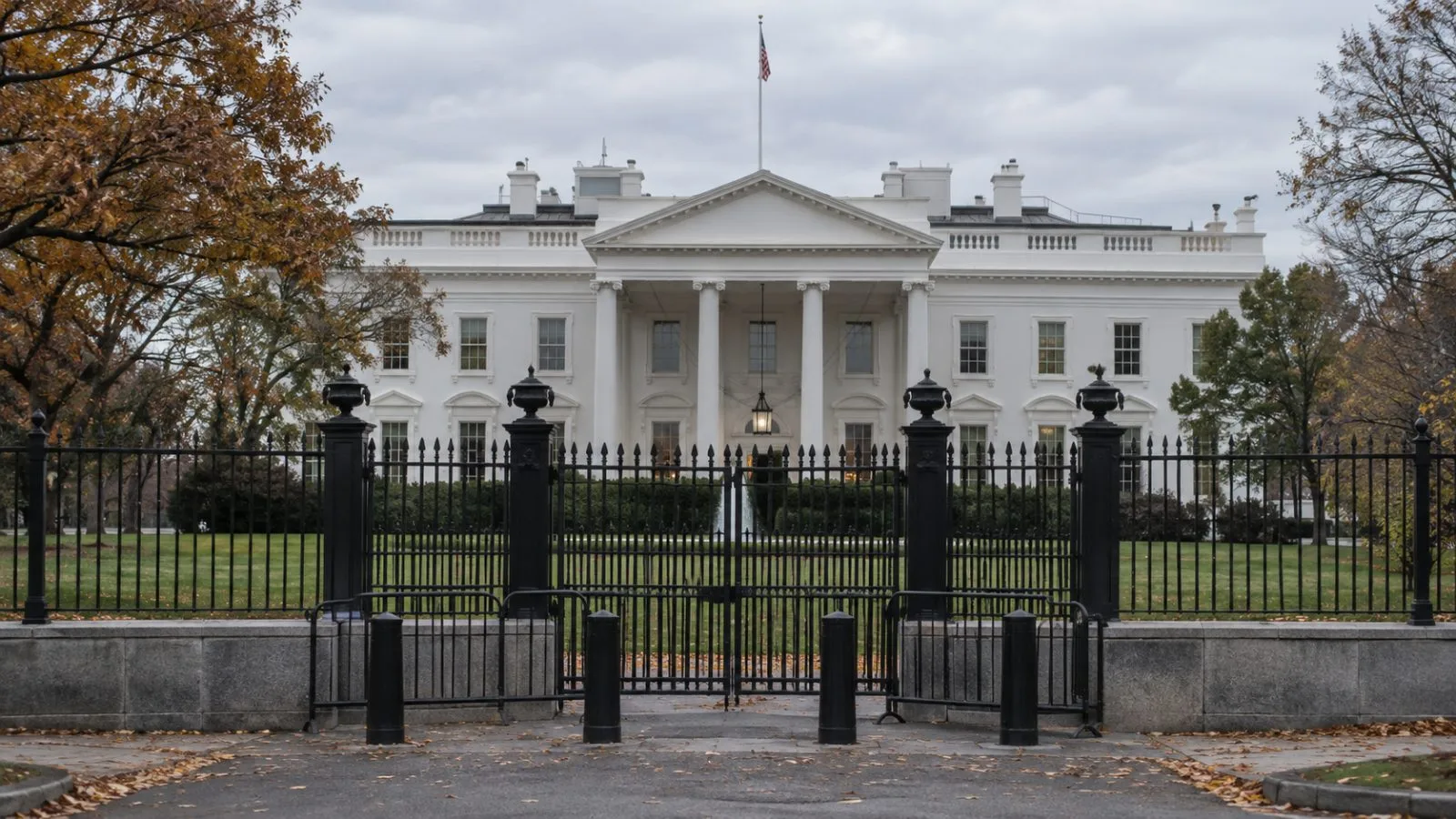
Brent crude futures held at $77.47 per barrel, while West Texas Intermediate (WTI) remained flat at $73.81 as of 01:31 GMT. Despite steady demand in the U.S., concerns persist over potential increases in domestic energy production. President Trump recently declared a national energy emergency to boost output and urged OPEC to ramp up production to lower oil prices.
Market sentiment was also weighed down by weak Chinese economic data and looming trade tariff threats. The White House reiterated plans for steep tariffs—25% on imports from Mexico and Canada and 10% on Chinese goods—effective February 1. Traders fear additional pressure on global oil demand, particularly from China, the world’s largest crude importer. Chinese markets are currently closed for the Lunar New Year holiday, but earlier data showed continued weakness in business activity.
Adding to the uncertainty is the Federal Reserve meeting concluding on Wednesday. While interest rates are expected to remain steady, a hawkish tone could strengthen the dollar, further pressuring oil markets.
Oil traders remain cautious, balancing steady demand against geopolitical and economic uncertainties that could impact global crude consumption.