


 Fed’s Hammack Says Bond Yield Surge Is Not Driven by Inflation Fears
  Gold Prices Slip as High Treasury Yields Weigh on Bullion
  China Cuts Tariffs on U.S. Farm Goods but Excludes Soybeans
  Asian Currencies Mixed as Yen Weakens, RBA Hike Looms
  Australia Inflation Accelerates to 4% After RBA Rate Hike
  Global Central Banks Brace for More Rate Hikes as Inflation Risks Rise
  Gold Rebounds as Oil Falls and Treasury Rout Eases
  U.S. Stock Futures Steady as AI, Rate Concerns Weigh
  Asian Stocks Rise as Bond Yields Ease Ahead of U.S. Inflation Data
  US Stocks Slip as Treasury Yields Ease, AI Trade Rebounds
  BOJ Flags Import Costs and Yen Shocks as Persistent Inflation Risks
  RBA Hikes Interest Rate to 4.60% as Inflation Risks Rise
  South Korea Exports Set for 16th Monthly Gain on AI Chip Demand
  Gold Holds Near Seven-Week Low as Fed Rate Hike Bets Rise
  BOJ Set for Rate Hike as Inflation and Yen Pressure Mount


 Add as a preferred source on Google
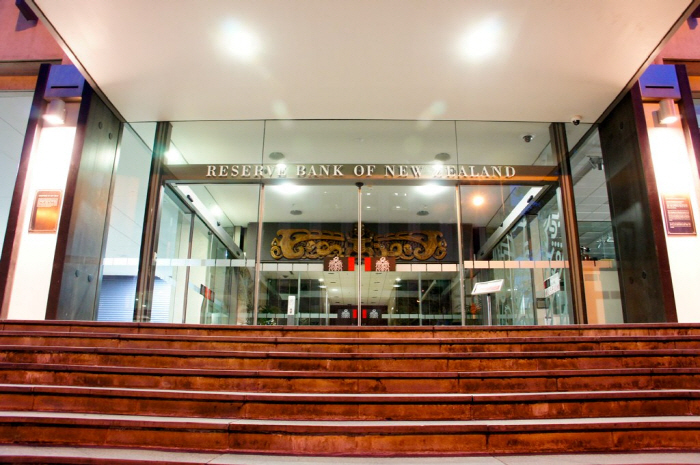
New Zealand is preparing to name a woman as the next governor of the Reserve Bank of New Zealand (RBNZ), marking the first time the nation’s central bank will be led by a female chief. According to a Bloomberg report, the government could announce the appointment as early as Wednesday, with the candidate potentially coming from overseas.
The Ministry of Finance and the RBNZ both declined to comment on the report. If confirmed, the new governor will assume office toward the end of the year, after the October 8 interest rate decision.
The news has surprised many observers, as most speculation had focused on local candidates such as interim governor and deputy Christian Hawkesby, who has led the RBNZ since March following Adrian Orr’s abrupt resignation, and Auckland economics professor Prasanna Gai, a member of the Monetary Policy Committee.
Adrian Orr stepped down after a public clash with the government over steep budget cuts imposed on the central bank. Known for his unconventional style, Orr frequently drew attention for surprising monetary policy moves that sometimes unsettled markets. His repeated disputes with Finance Minister Nicola Willis added to the tensions leading to his departure.
Hawkesby was appointed to fill the vacancy for a six-month term while the government searched for a permanent replacement. Despite expectations that he or another local candidate would secure the role, Bloomberg’s report indicates the government is prepared to make a historic choice by selecting the first female governor—possibly a foreigner—to lead the RBNZ.
Such an appointment would mark a milestone for gender representation in global central banking and signal a new era of leadership for New Zealand’s monetary policy.







