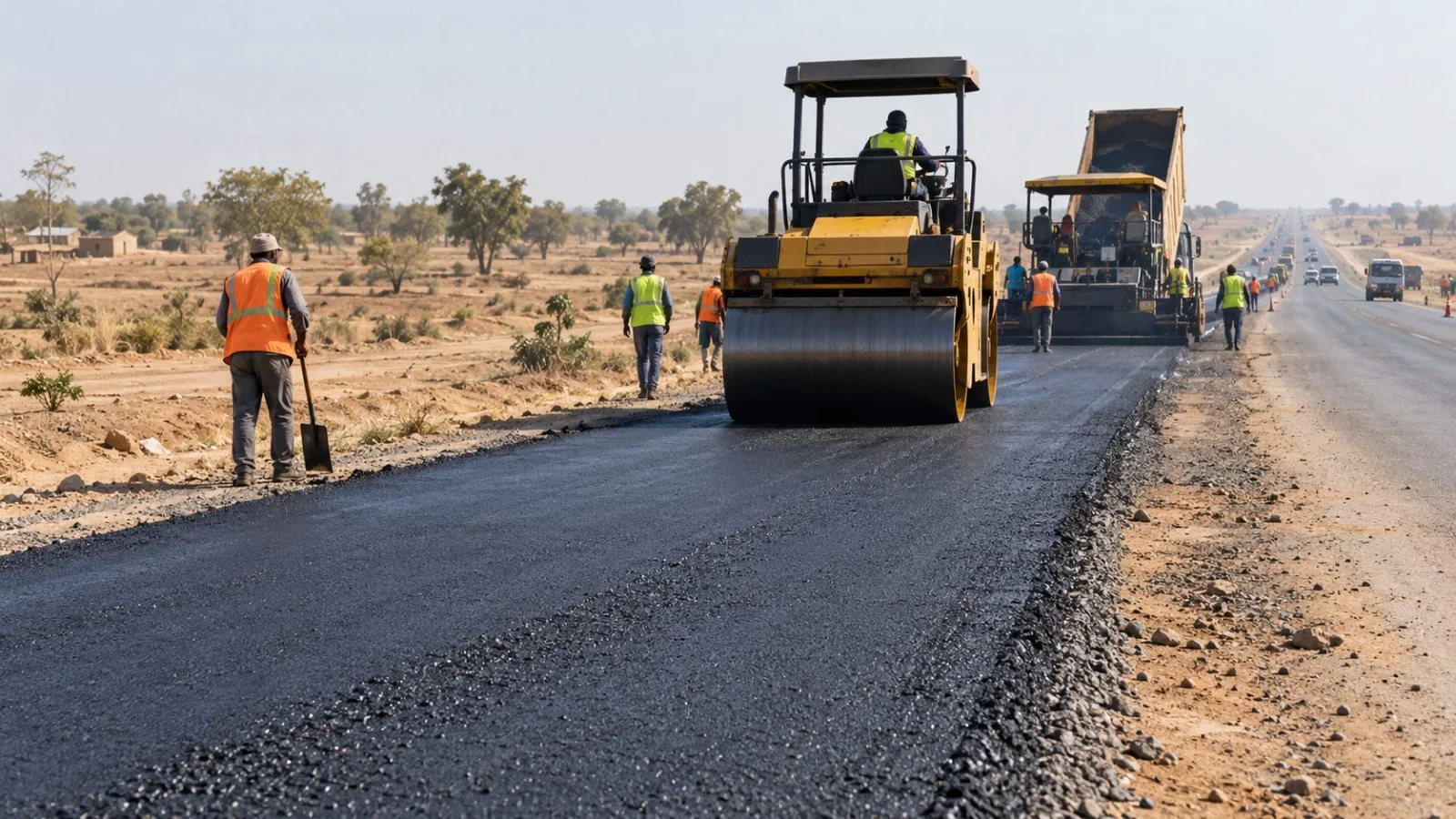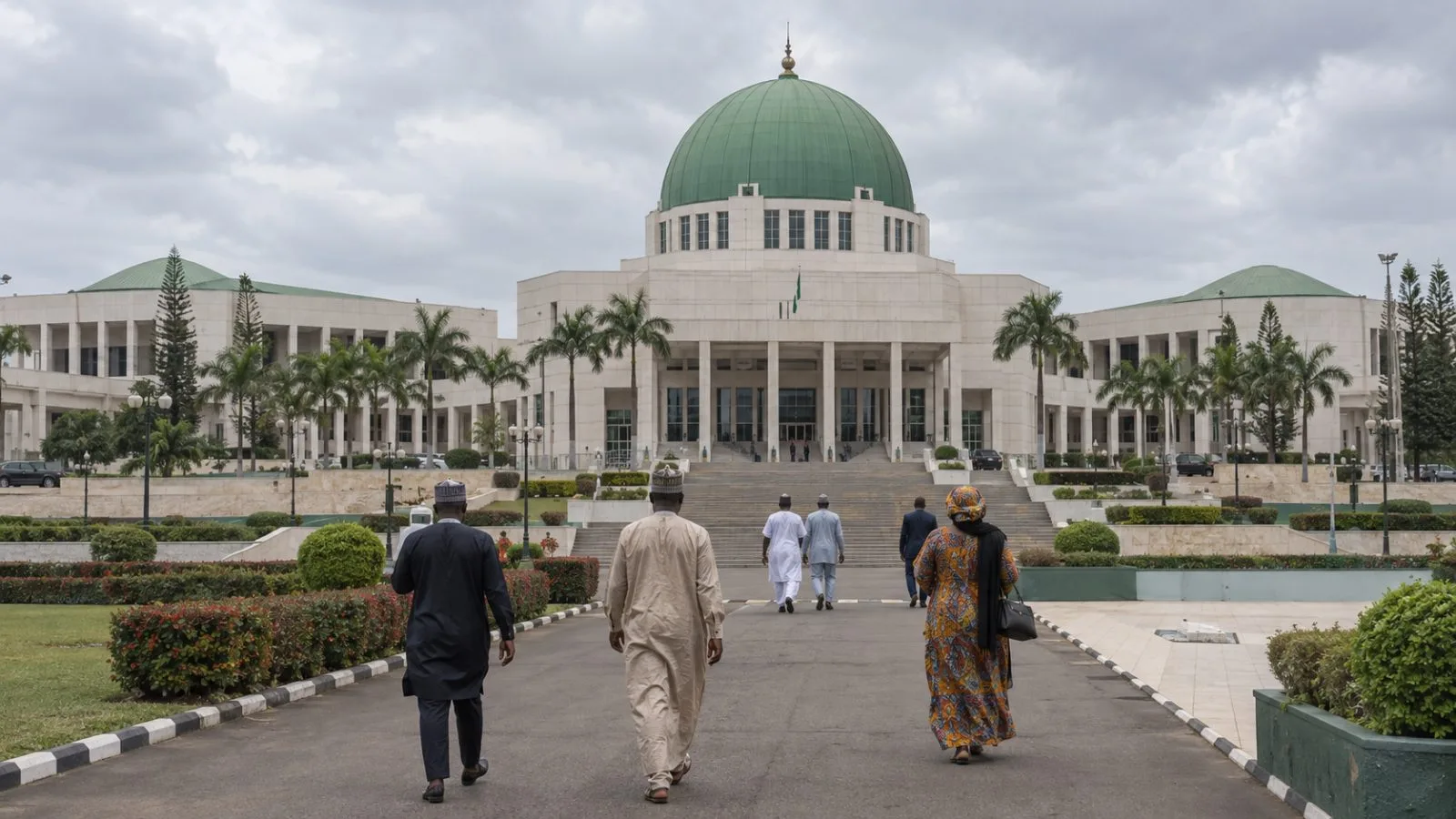
Nigeria’s House of Representatives adopted a motion urging private firms to repair selected federal highways and collect tolls afterward, Premium Times and TheCable reported, making motorists potential direct payers.
The reports said the motion was sponsored by Reps. Esosa Iyawe, Olusola Fatoba, Abdulmaleek Danga and Uche Okonkwo. The proposal calls on the Federal Ministry of Works to set nationwide concession rules and, with the Infrastructure Concession Regulatory Commission (ICRC) and Federal Roads Maintenance Agency (FERMA), assess federal routes for possible private operation. Tolling would follow substantial rehabilitation and formal concession agreements. Charges should reflect economic assessments, public consultation and affordability.
Iyawe attributed poor road conditions to neglect, inadequate maintenance, insufficient funding and pressure from heavy-duty vehicles. He said annual budget allocations had not reliably delivered the renewal needed.
The motion presents tolls as a way for private investors to recoup their costs and finance maintenance and road safety work. It says the federal government could receive revenue and identifies jobs as a possible benefit. Motorists using tolled roads would pay the charges.
Nigeria already has a federal road concession program. The ICRC said the Federal Executive Council approved nine corridors spanning 1,374 kilometers under the Highway Development and Management Initiative in January 2023. The commission said concessionaires could recover investments through tolls and other revenue sources, and that the initiative aligned with the Federal Roads and Bridges Tolling Policy approved in August 2021. The Federal Ministry of Works’ FAQ says tolling eligibility is limited to dual-carriageway highways and bridges, listing 5,050.34 kilometers as eligible out of a 35,000-kilometer federal road network.
The reports give no toll rates or start date. Premium Times and Tribune Online reported that the motion went to the Public Assets, Works and Finance committees. The panels are expected to gather input from relevant agencies and return recommendations to the House within four weeks.