


 Interactive Brokers Launches Ethereum Staking With Zerohash
  Netflix Cuts 1,000 Jobs as Streaming Giant Restructures
  Polygon Labs Completes Coinme Acquisition, Expands U.S. Payments
  AT&T Sells Mexico Wireless Business to Televisa for $2 Billion
  Apple Intelligence Set for China Launch in December With iOS 27.3
  Arm Shares Fall Over 3% After Qualcomm Wins License Dispute
  Anduril Valuation Hits $90 Billion in Employee Share Sale
  Tesla Holds $960 Million in Bitcoin as BTC Gains Top $710 Million
  Kalshi Seeks Sixth Circuit Review of Sports Betting Ruling
  CVS Pharmacy Agrees to $315 Million Opioid Settlement
  Bank of America Hit With $1.2 Billion Fine Over Money Laundering Failures
  Arm Breaches Qualcomm License Deal, Jury Awards $2
  Nvidia Invests in Four French AI Companies to Expand European Presence
  Trezor Cuts Reseller Network After Ledger Security Breach
  Bank of America Fined $1.21B as CZ Questions AML Double Standard
  Kalshi CEO Defends Federal Oversight Amid Prediction Markets Legal Battle


 Add as a preferred source on Google
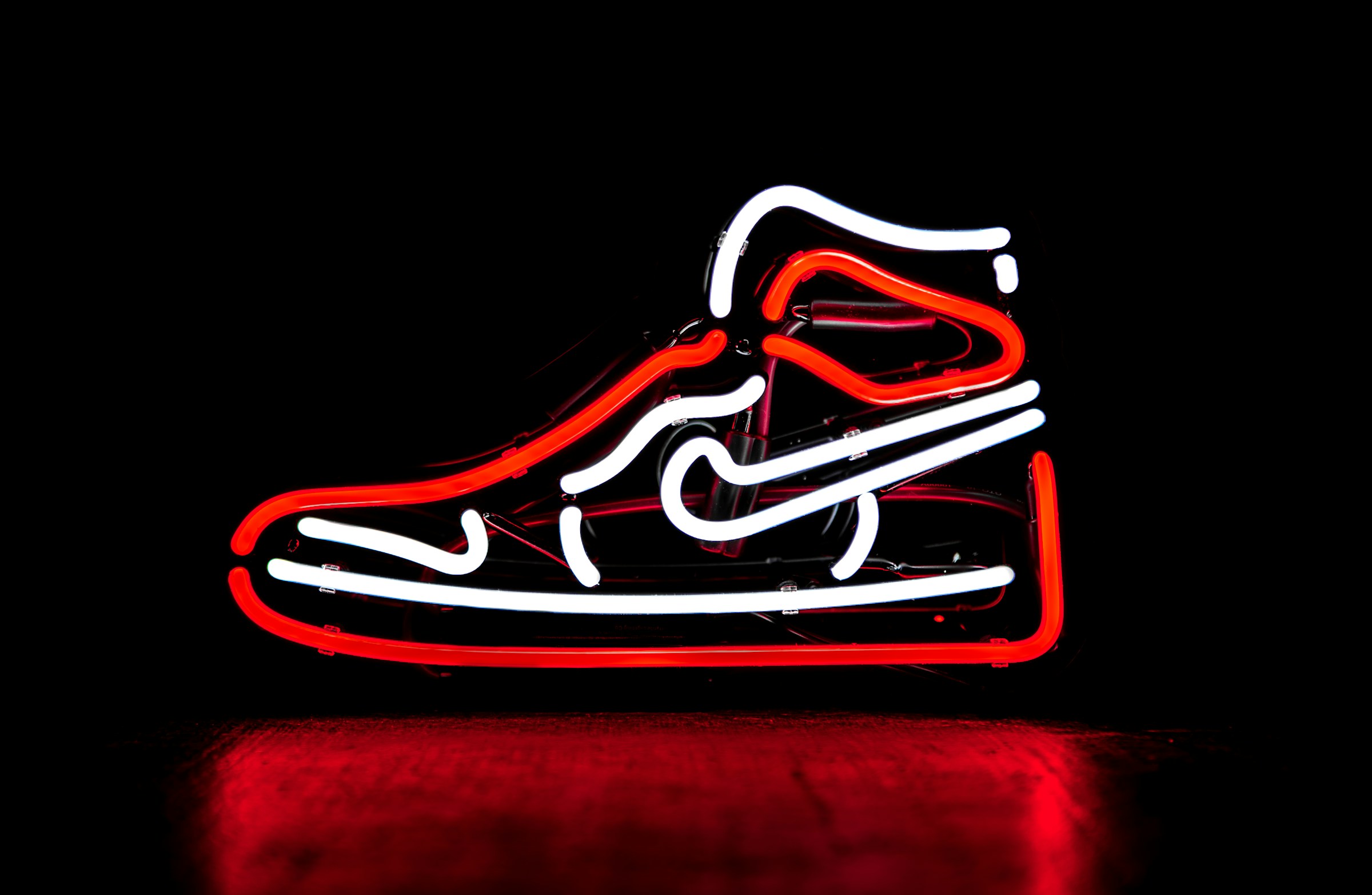
Nike, a prominent player in the athletic footwear industry, is undergoing a strategic transformation as it faces stiff competition from emerging brands. The company has traditionally relied on its iconic basketball shoes to drive sales, but recent market trends have prompted a shift in focus.
Reuters reported that following a post-earnings conference call when management said Nike had lost market share in running shoes—a category that has seen a sharp increase in popularity over the past year—shares of the company were down 5.6% in extended trading on Thursday.
Changing Landscape in Sneaker Industry
Nike CFO Matt Friend recently announced a strategic move to reduce supplies of classic shoes like the Air Force 1 sneakers to prioritize upcoming launches and fresh product innovations. This decision marks a significant departure from Nike's previous emphasis on iconic styles, signaling a shift in consumer preferences within the sneaker market.
The sneaker industry is transforming, with emerging brands like On and Hoka gaining traction among consumers globally. This surge in popularity has challenged established players like Nike, pushing them to adapt to evolving market trends to remain competitive.
Impact on Market Dynamics
In the footwear category, On's market share at Dick's Sporting climbed to 8.2% in February from 6.1% in October 2023, while New Balance's market share jumped to 5.4% from 4.6% during the same period.
In comparison, YipitData, a company that compiles market share utilizing email receipt and transaction data, shows that from October to February, Nike's Jordan's market share at the retailer remained over 5%.
MSN noted that the rising market shares of brands like On and New Balance reflect a shift in consumer preferences away from traditional offerings. Nike's Jordan line, once a dominant force in sneaker sales, faces increased competition from brands catering to the changing tastes of the modern consumer.
Industry analysts point to changing consumer tastes as a driving factor behind the decline in demand for classic Nike styles. Brands focusing on chunky dad shoes and terrace styles are resonating more with customers, posing a challenge to Nike's traditional sneaker offerings.
Market Share Trends
Recent data reveals a notable increase in market share for brands like On and New Balance, indicating a clear preference shift among consumers. Nike's Jordan line, on the other hand, has experienced stagnant market share figures in the face of evolving fashion trends.
Competitors like New Balance and Adidas are capitalizing on the evolving sneaker market, leveraging styles like the Adidas Samba sneakers to attract customers who seek alternative fashion choices. This shift highlights the need for Nike to adapt its product strategy to meet changing consumer demands.
Photo: Josh Redd/Unsplash







