


 FIFA Suspends Balogun Ban, Clears U.S. Striker for Belgium World Cup Clash
  How to support someone who is grieving: five research-backed strategies
  Philippines Current Account Deficit Seen at $19.1 Billion in 2026
  Trump’s U.S. Open Visit Delays Final, Fans Face Long Security Lines
  IMF Maintains 2027 Global Growth Forecast at 3.4% Amid Rising Risks
  Trump to Host UFC Event at White House on His 80th Birthday
  Want to cut your energy bills? Here’s how five experts are doing it
  Samsung, SK Hynix Shares Plunge as China Chip Competition Grows
  Milei Pushes for Formula 1 Return to Argentina
  JD Vance to Lead U.S. Presidential Delegation at Milano Cortina Winter Olympics Opening Ceremony
  Los Angeles Mayor Says White House Must Reassure Fans Ahead of FIFA World Cup
  Gold Prices Mixed Ahead of US Inflation Data and Fed Rate Outlook
  Nvidia Invests in Four French AI Companies to Expand European Presence
  What is Zionism? The different meanings of a contested term
  1 in 3 uni students experience serious financial hardship. Could concession cards for all help?
  Booked to travel through the Middle East? Here’s why you shouldn’t cancel your flight
  Arm Shares Fall Over 3% After Qualcomm Wins License Dispute


 Add as a preferred source on Google
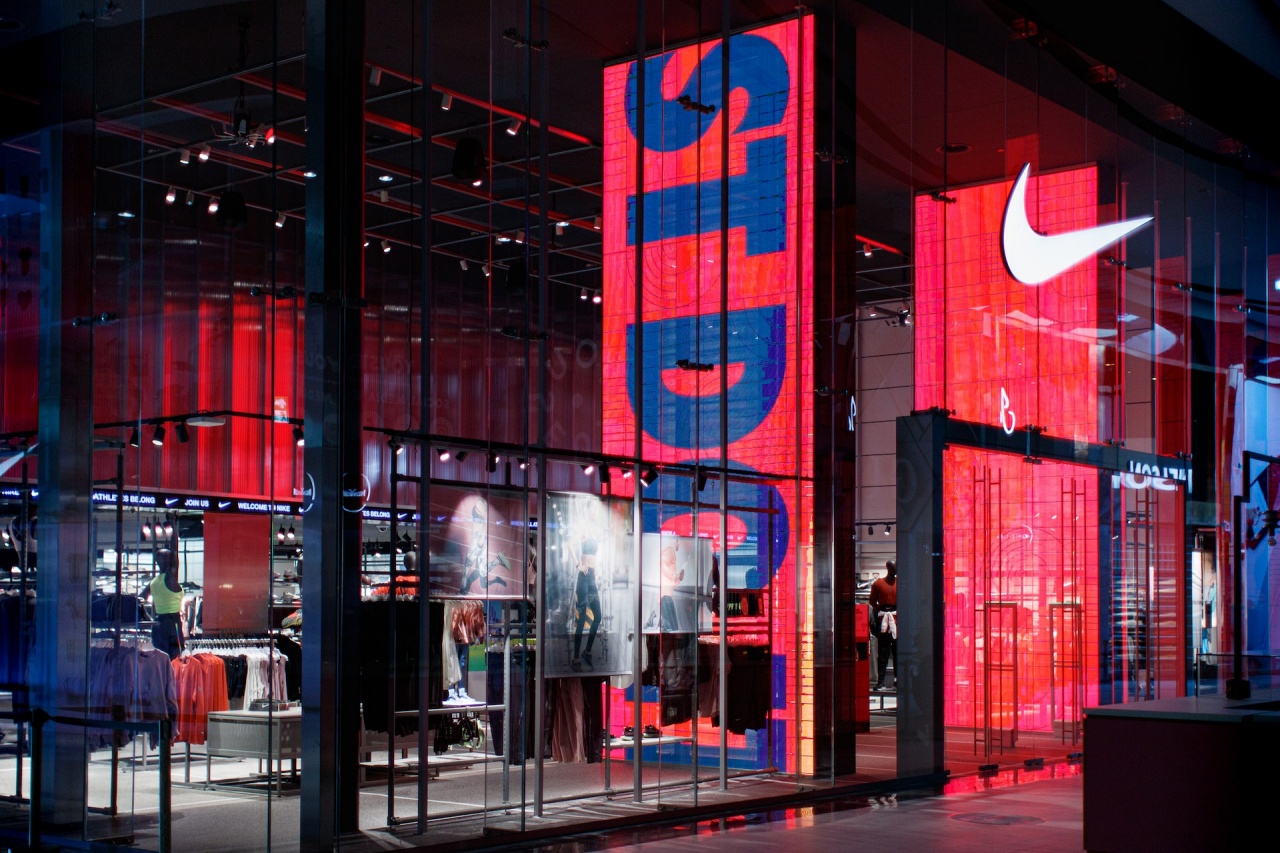
Nike's Q1 profit surpassed Wall Street's forecasts, buoyed by higher footwear and apparel prices. Despite the surge, revenue trailed analysts' expectations, nudging shares up 8% in extended trading.
Additionally, Nike forecasted a 100 basis point increase in gross margins for the second quarter, a welcome change after six consecutive quarters of declines. This positive projection is anticipated due to fewer planned markdowns and reduced freight costs.
Reflecting effective inventory management, Nike's inventories experienced a 10% decrease in the quarter that ended August 31, according to a report by Barrons. This reduction indicates the company's triumph in minimizing excess products 'ahead of the holiday season. Consequently, investor concerns regarding the need for significant discounts were alleviated.
Focus on Everyday Runners
Yahoo Finance reported that Nike's Chief Financial Officer, Matthew Friend, expressed the company's intention to capitalize on the consumer momentum surrounding running and modern comfort. Emphasizing the importance of strategic product offerings, Nike aims to leverage popular sneaker series such as Air Max 1, Infinity, and V2K to meet the increasing demand for running shoes.
To augment market presence, Nike plans to refresh its basketball shoe portfolio across the Nike and Jordan brands. This revamping effort encompasses enhancements in style and emphasizes the newly introduced Kobe brand.
Despite its success, Nike confronts challenges from various fronts. Notably, the Jordan brand, which has been a significant profit generator, faces challenges as the resale value of some shoes declines on platforms like StockX, as noted by EconoTimes. Additionally, Nike faces competition from other sports shoe brands, including Hoka, On Running, and Salomon, as consumers increasingly gravitate towards performance-oriented footwear.
In response to evolving market dynamics, Nike CEO John Donahoe emphasized the company's focus on prioritizing the everyday runner while expanding its reach through various channels, including specialty running stores. This approach aims to strengthen Nike's connection with consumers.
Annual Forecasts and Second-Quarter Outlook
Maintaining its annual forecasts, Nike anticipates a slight increase in second-quarter revenue. Analysts' predictions suggest a 2.1% rise to $13.59 billion.
With total revenue of $12.94 billion in the first quarter, Nike fell slightly short of analysts' estimates of $12.98 billion. However, analysts acknowledged Nike's pricing power, highlighting the company's ability to avoid severe discounting compared to some competitors during this year's holiday season.
Photo: Craig Lovelidge/Unsplash







