


 Flavio Bolsonaro Surges as Family Scores Brazil Election Comeback
  Ukraine to Intensify Strikes on Russian Oil Refineries
  Trump Plans Diesel Tax Relief as Fuel Prices Hit Record Highs
  Becton Dickinson to Invest $3 Billion in U.S. Medical Manufacturing
  China Shuts 670 Banks as Bitcoin Eyes Financial Risks
  Mexico Seeks US Evidence After Border Gunfire Claim
  Australia Consumer Confidence Plunges as RBA Rate Hike Hits Households
  US DOT Ends Airline Privacy Review Without Enforcement
  India-US Trade Deal Talks Hit Plateau, Sitharaman Says
  France Student Protests Intensify Nationwide
  Oil Prices Fall as Middle East Exports Recover, G7 Eases Supply Fears
  North Korea Slams US Taiwan Arms Sales, Reaffirms Russia Support
  Hong Kong Stocks Slip as Property, Financial Shares Weigh
  European Stocks Diverge as French Fiscal Crisis Hits CAC 40
  Oil Prices Rise as Hormuz Attacks Fuel Supply Fears
  German Industrial Orders Plunge 10.6% in August
  RBI Rate Hike Bets Surge as Inflation Rises


 Add as a preferred source on Google
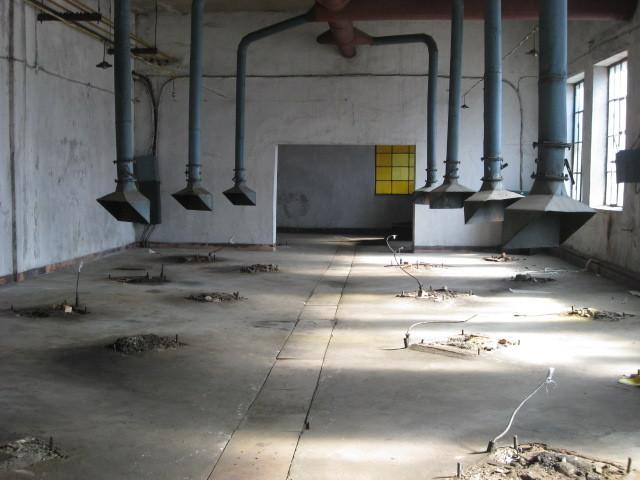
Fears remain that North Korea is preparing for another nuclear test following a series of weapons tests this year, flaring regional tensions. A report by an international denuclearization campaign found that Pyongyang spent up to an estimated $642 million on its nuclear program last year.
The Geneva-based International Campaign to Abolish Nuclear Weapons released a report Tuesday on global nuclear weapons spending. The report found that North Korea may have spent up to $642 million on its nuclear program in 2021.
The report comes at a time when Pyongyang is believed to be preparing for its first nuclear test since 2017 despite facing a COVID-19 outbreak and economic crisis.
The campaign said its estimate is based on the assumption that North Korea continues to spend one-third of its gross national income on its military, with six percent of the budget for nuclear weapons. This estimate would put North Korea as the lowest spending nuclear-armed country among the nine nuclear-armed countries in the report, spending around half as much as Pakistan.
It remains to be seen if North Korea will cut down on any funding for its nuclear program due to the pandemic.
However, analysts, foreign officials, and other experts who keep tabs on United Nations sanctions found that North Korea seems to move forward with its goal of developing and expanding its military arsenal, with activity and new construction found in its main nuclear reactor, uranium mine, and its other related sites.
US Secretary of State Antony Blinken said Monday that Washington would continue to place pressure on North Korea until it reverses course on its nuclear plans as his counterpart in South Korea urged China to convince North Korea not to go through with nuclear testing.
Following a meeting with South Korean foreign minister Park Jin in Washington, Blinken said the US remains open to a dialogue with North Korea but has so far been ignored and instead continued testing its weapons.
“Until the regime in Pyongyang changes course, we will continue to keep the pressure on,” said Blinken, referring to the US-led sanctions imposed on the isolated nation.
Park said that any provocation from North Korea would be met with an appropriate response and urged China to use its influence on Pyongyang.







