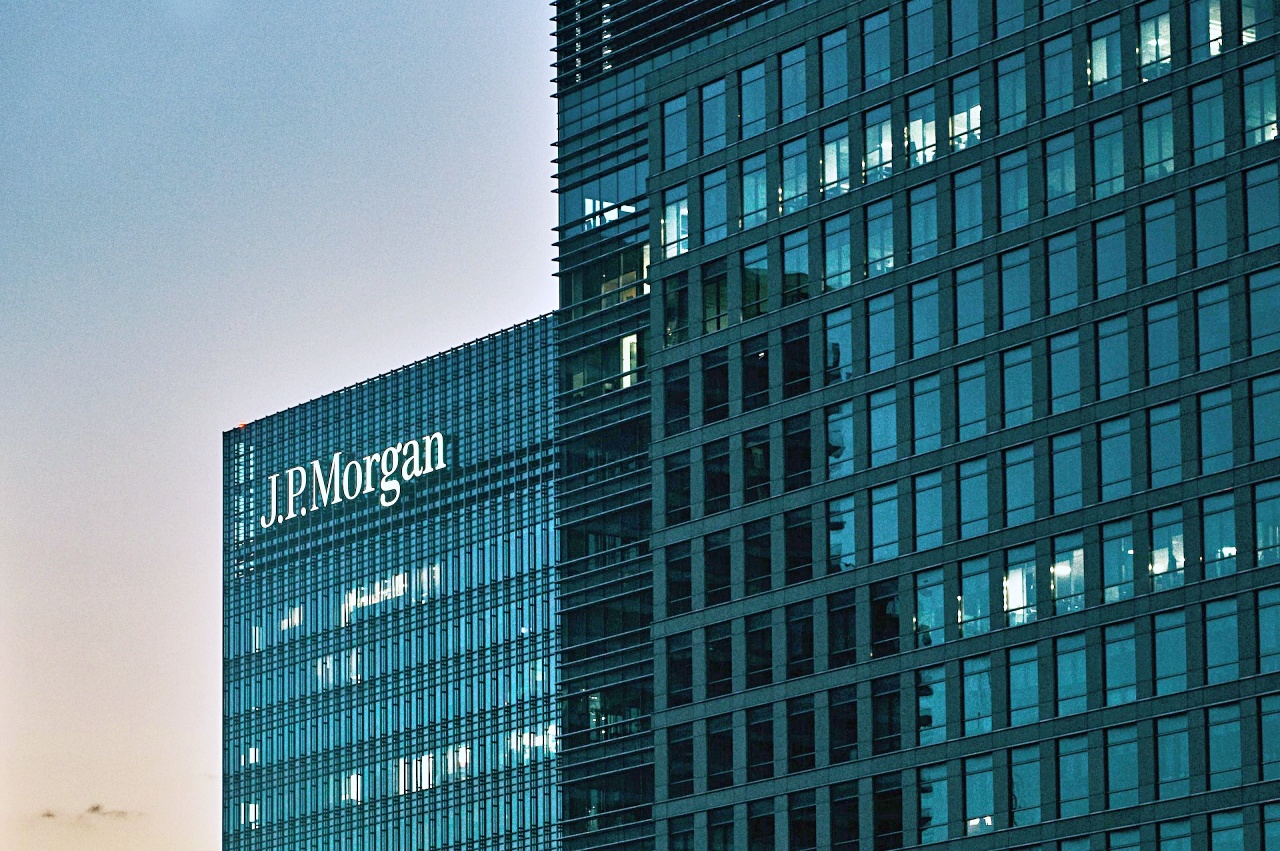
The probability of a U.S. recession this year has climbed to 40%, according to Bruce Kasman, J.P. Morgan’s chief global economist. Speaking in Singapore, Kasman expressed growing concerns over economic instability, marking an increase from his initial 30% projection earlier this year.
Kasman warned that recession risks could exceed 50% if former President Donald Trump’s proposed tariffs take effect in April. He stressed that continued policy disruptions and business-unfriendly measures could further weaken economic stability.
Despite maintaining a 2% GDP growth forecast for 2025, J.P. Morgan acknowledges mounting risks. U.S. stock markets recently suffered their steepest decline in months, fueled by investor fears that import tariffs could slow economic expansion. Goldman Sachs and Morgan Stanley have already downgraded their U.S. GDP growth projections to 1.7% and 1.5%, respectively.
Kasman also cautioned that ongoing political and economic uncertainty could erode investor confidence in U.S. markets. He emphasized that trust in market regulations, transparent information flow, and government stability are crucial for economic resilience.
As concerns over tariffs and economic policies intensify, investors are closely watching for shifts that could further impact financial markets.


China Q2 2026 GDP Misses Forecast as Weak Domestic Demand Offsets Export Strength
Asian Stocks Slide as Chip Selloff Deepens Ahead of TSMC Earnings
Brazil Weighs IP Curbs, Patent Suspensions After New U.S. Tariffs
Oil Prices Climb as Trump Escalates Iran Pressure, Strait of Hormuz Risks Grow
US Stock Futures Hold Steady as Soft Inflation Data Eases Fed Rate Hike Fears
Japan Core Inflation Seen Rising in June, Strengthening BOJ Rate Hike Outlook
Gold Prices Head for Biggest Weekly Loss Since June as Fed Rate Outlook Weighs
Oil Prices Set for Weekly Surge as U.S.-Iran Conflict Fuels Supply Fears
UBS Boosts China Tech Bets, Adds Kuaishou and Meituan to Focus List
Asian Currencies Hold Steady as Middle East Tensions Offset Weaker US Dollar
ECB's Kocher Says No Inflation Spillover Yet From Iran Conflict, Warns Risks Remain
South Korea Raises Interest Rates to 2.75% as Inflation and Weak Won Drive Tightening
Gold Prices Slip as Oil Rally Fuels Inflation Fears, Strengthens Dollar
Malaysia Q2 Economy Grows 5.8%, Beating Forecasts on Strong Tech Exports and Domestic Demand
Gold Price Holds Near Record High as Cooling U.S. Inflation Offsets Fed Caution
Oil Prices Rise as U.S. Strikes on Iran Raise Strait of Hormuz Supply Fears
China Home Prices Fall Again in June Despite Slower Pace of Decline 


