


 Vance Demands Iran Cut Nuclear Enrichment to End War
  Flavio Bolsonaro Surges as Family Scores Brazil Election Comeback
  Iran Tanker Attacks Surge as Hormuz Oil Flows Near Prewar Levels
  OpenAI, Anthropic Back Mandatory AI Breach Reporting in Australia
  Becton Dickinson to Invest $3 Billion in U.S. Medical Manufacturing
  Zelenskiy Warns Russia Is Preparing Massive Attack on Ukraine
  Trump Gaza Peace Plan Stalls as Israel Retains Control
  US Army Tests Counter-Drone Technology Along Mexico Border
  India-US Trade Deal Talks Hit Plateau, Sitharaman Says
  North Korea Slams US Taiwan Arms Sales, Reaffirms Russia Support
  Trump Offers US Help to Russia After Plague Lab Worker Dies
  France Student Protests Intensify Nationwide
  Ukraine to Intensify Strikes on Russian Oil Refineries
  Lula Weighs Alckmin as Finance Minister to Boost Fiscal Credibility
  Trump Envoy Meets Sudan Army Chief in Egypt
  Ukraine Faces $56 Billion Budget Gap as War Costs Soar
  Flavio Bolsonaro, Lula Head to Brazil Election Runoff


 Add as a preferred source on Google
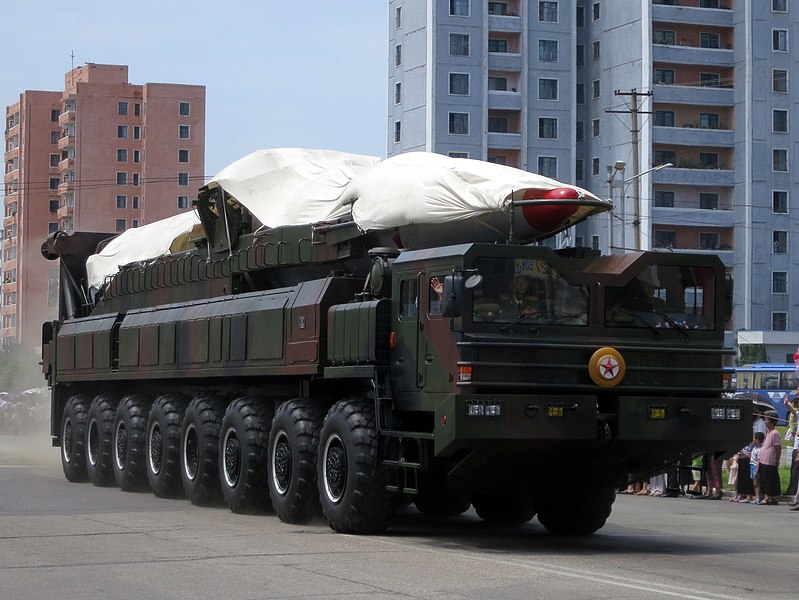
North Korea’s recent missile tests caused tensions to flare in the Korean peninsula as Pyongyang has moved forward with its weapons program despite international sanctions. Germany recently spoke out against North Korea’s missile tests, calling the launches a breach of international law.
Germany’s foreign ministry issued a statement this week condemning the latest missile tests conducted by North Korea. Pyongyang launched eight ballistic missiles from the east coast in what is deemed as the biggest single-day launch.
Berlin also called for North Korea to cease its weapons tests, citing that it would threaten international security, pose a danger to international air and naval traffic, and breach international law and existing UN resolutions.
“The German government strongly urges North Korea once again to forgo further tests…and to enter a dialogue about complete, irreversible, and verifiable termination of its programs of developing mass destruction weapons and ballistic missiles,” said the statement.
The recent launches followed the meeting of US Deputy Secretary of State Wendy Sherman with her South Korean and Japanese counterparts Cho Hyun-dong and Takeo Mori in Seoul.
The three officials released a joint statement condemning Pyongyang’s recent missile tests, describing the launches as “serious, unlawful” provocations.
The three officials also urged Pyongyang to return to dialogue while also accepting the COVID-19 aid offers as the isolated nation faces an outbreak of infections.
Following North Korea’s missile tests, the US and South Korea fired missile launches and aerial demonstrations in response. The joint statement also comes amidst the news that Pyongyang is preparing for its first nuclear weapon test since 2017.
US Special Representative for North Korea Sung Kim said Tuesday that Pyongyang may conduct its seventh nuclear test at any time and has not shown signs of interest in returning to negotiations.
Kim told reporters that North Korea has tested an unprecedented number of missiles so far this year, and North Korean officials have also engaged in rhetoric that suggests plans to use tactical nuclear weapons.
“I don’t have anything more. They’ve obviously done the preparations…and my understanding is they could test any time,” said Kim, when asked when North Korea plans on carrying out its nuclear test.







