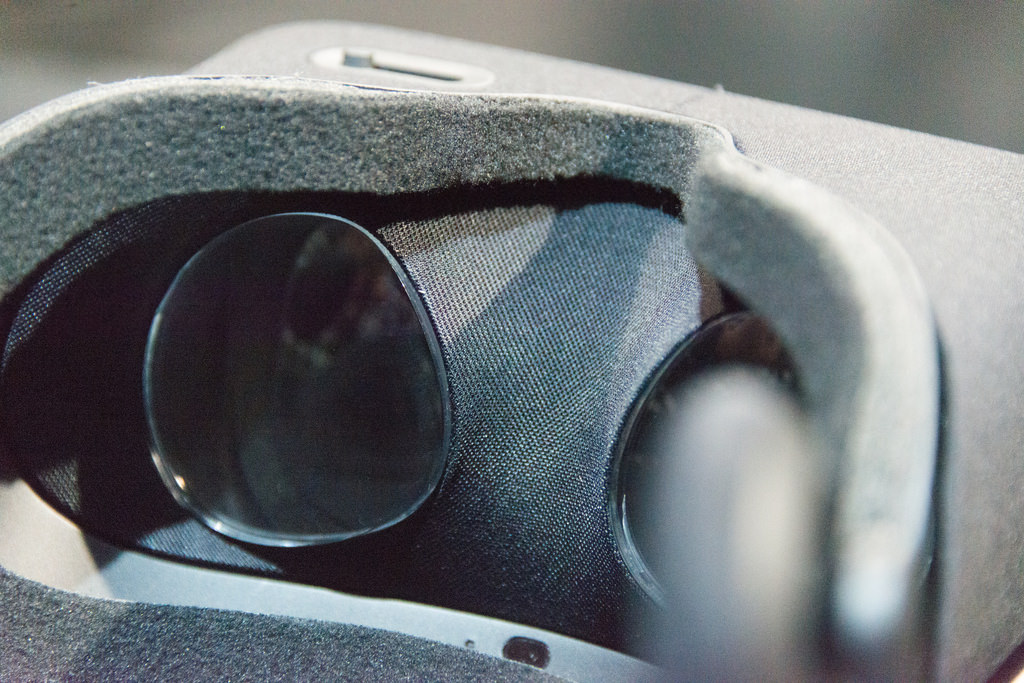
The race for supremacy in the virtual reality market is heating up, with several players in the field hitting stumbling blocks that are giving their competitors a huge edge. Sony recently admitted that the sales for its PlayStation 4 VR system outpaced their expectations at nearly 1 million units sold in over 4 months. Now, Oculus is slashing $200 off the price of the Rift bundle and plans to offer augmented reality services in order to remain competitive.
Now, there are several reasons that could explain why Oculus is dropping the price for the Rift bundle. One of the biggest is the injunction that ZeniMax recently filed, which would effectively halt all sales of the VR headset. Then there’s the fierce competition between Oculus and HTC with its Vive product. It’s safe to say that the company is under a lot of pressure to move as many units into the market as possible.
The $200 bundle drop is a guaranteed way to make the Oculus Rift a more appealing prospect than it once was, Polygon reports, though there’s no assurance that sales are going to increase. Alone, the Rift still costs about $499, but this will not provide the optimum VR experience. With the cheapened $598 bundle that also comes with the Touch controllers, the Rift becomes a complete platform.
On the matter of the company’s AR ambitions, Oculus big boss Brendan Iribe spoke with USA Today and said that they are planning on entering the market as well. This makes sense since there is definitely a market for AR products if the success of Snapchat and its Spectacles glasses is anything to go by.
"We are definitely investing in it and researching," Iribe said. "I think you’ll first see VR blend into AR and MR (mixed reality) before you see HoloLens or MagicLeap become mainstream."