Oil prices rose on Wednesday, extending gains from the previous session as geopolitical tensions in the Middle East intensified and fresh industry data pointed to a sharp decline in U.S. crude stockpiles. The combination of supply risks and demand optimism helped push global oil benchmarks higher, reinforcing bullish sentiment in the energy market.
Brent crude futures increased by 65 cents, or 1.0%, to trade at $67.98 per barrel, while U.S. West Texas Intermediate (WTI) crude rose 69 cents, or 1.1%, to $63.90 per barrel during early Asian trading. Both benchmarks had already climbed nearly 2% on Tuesday, reflecting growing concerns over potential disruptions to oil flows.
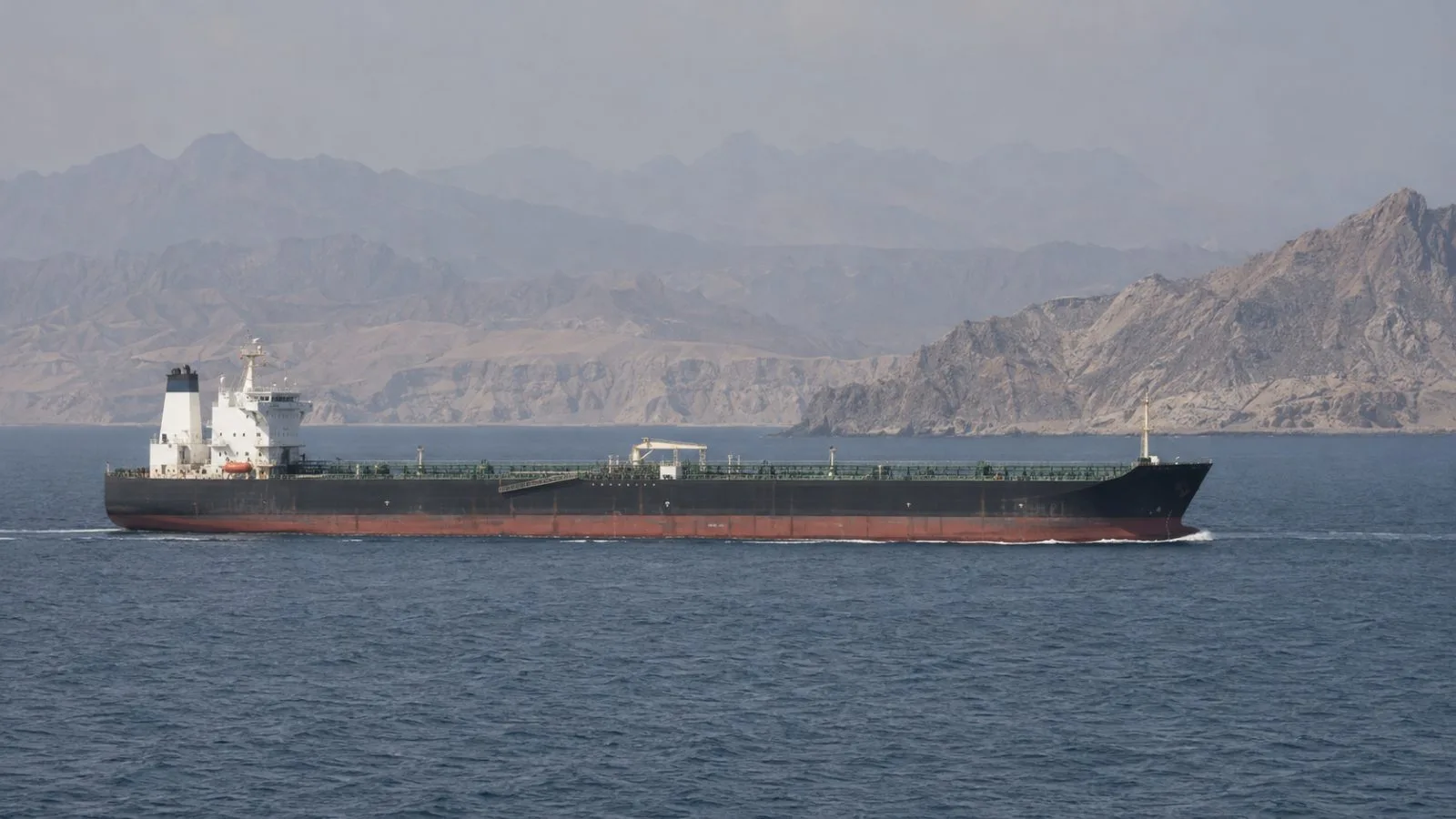
The latest rally was triggered after the U.S. military confirmed it had shot down an Iranian drone that approached the USS Abraham Lincoln aircraft carrier in the Arabian Sea. Adding to the unease, Iranian gunboats reportedly moved close to a U.S.-flagged oil tanker in the Strait of Hormuz, a critical shipping route that handles a significant share of global oil exports. Any escalation in this region raises fears of supply interruptions, particularly as major OPEC producers rely heavily on the strait for exports to Asian markets.
Diplomatic uncertainty has further fueled market anxiety, with Iran reportedly insisting that upcoming talks with the United States be held in Oman rather than Turkey and limited strictly to nuclear issues. This has cast doubt on whether negotiations will proceed as planned, keeping geopolitical risk premiums elevated.
Oil prices also found strong support from U.S. supply data. Industry sources cited American Petroleum Institute figures showing U.S. crude inventories fell by more than 11 million barrels last week, a much larger drop than expected. Official data from the U.S. Energy Information Administration is due later Wednesday, with analysts previously forecasting an inventory build.
Additional support came from a new U.S.-India trade agreement, which boosted hopes for stronger global energy demand, and from ongoing Russia-Ukraine conflict concerns that could prolong sanctions on Russian oil exports. Together, these factors suggest oil prices may remain firm in the near term, with WTI likely trading around the $65 per barrel level.