


 Texas Republicans Turn Against AI Data Centers as Election Backlash Grows
  Asian Stocks Mixed as Korean Chipmakers Rally
  Iran Allows Iraqi Oil Tankers Through Strait of Hormuz
  Canada Retaliatory Tariffs on U.S. Goods Take Effect
  US Tightens Cuba Sanctions, Targets Officials and State Entities
  Trump Imposes New Tariffs on Drone Imports Over US Security Concerns
  China Exports Surge 25% in August as Trade Surplus Hits $119 Billion
  Trump Administration Moves to Strip ABA of Law School Accreditor Status
  FCC Steps Up China Tech Crackdown as Beijing Pushes Back
  Oil Prices Rise as Hormuz Tensions Threaten Supply
  Asian Stocks Rally as AI Optimism Fuels Chipmaker Surge
  Hormuz Shipping Slows as Iran Threats Lift Oil Risks
  New Zealand Moves to Ban Social Media for Children Under 16
  Trump Targets 1,000 U.S. Space Launches Annually by 2030
  Trump Signs Order to Cut Routine Childhood Vaccines
  Brazil Warns EU of Retaliation Over Animal Products Ban
  Trump Grants Clemency to Jay-Z Associate Emory Jones


 Add as a preferred source on Google
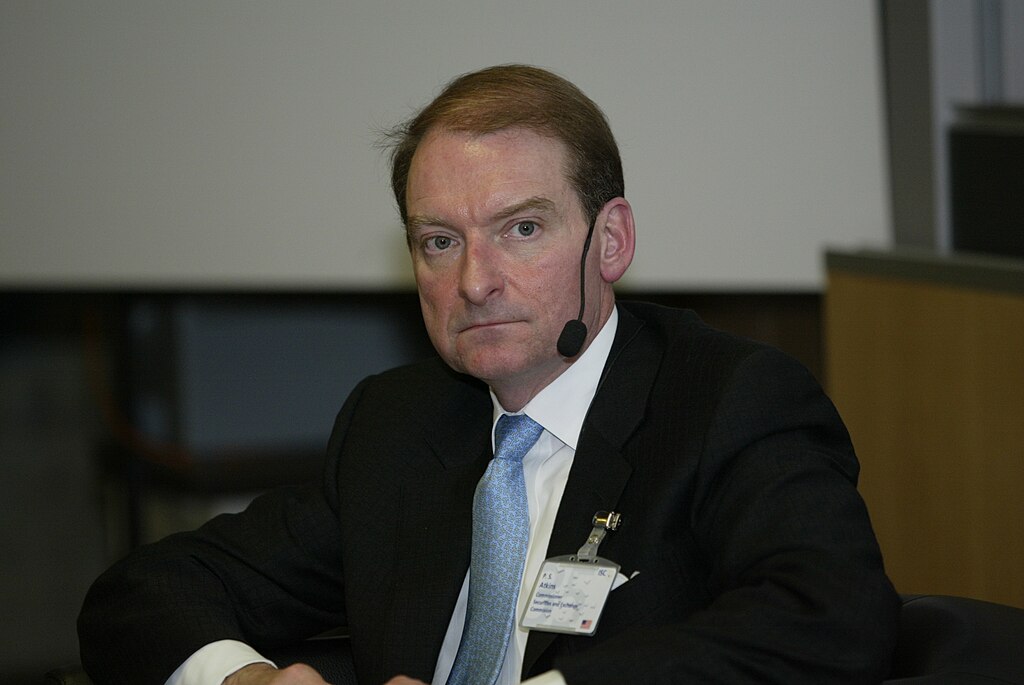
Paul Atkins, Chairman of the U.S. Securities and Exchange Commission (SEC), highlighted the growing importance of international regulatory cooperation during a fintech and regulation conference held in Brussels on Tuesday. Speaking to an audience of policymakers, regulators, and industry leaders, Atkins stressed that close collaboration with foreign market regulators is essential as global financial markets become increasingly interconnected.
During the discussion, Atkins noted that effective oversight of modern financial systems can no longer be handled in isolation. He emphasized that regulators must work together across borders to address shared challenges such as fintech innovation, digital assets, cross-border capital flows, and evolving market risks. According to Atkins, cooperation with international counterparts helps ensure regulatory consistency, market stability, and investor protection worldwide.
Responding to a question about the future role of the International Organization of Securities Commissions (IOSCO) and other global standard-setting bodies, Atkins underscored their continued relevance. He stated that organizations like IOSCO provide critical platforms for dialogue, coordination, and the development of shared regulatory principles. These bodies, he said, allow regulators to exchange information, align supervisory approaches, and respond more effectively to emerging risks in global markets.
Atkins also pointed out that fintech developments are accelerating the need for international cooperation. Technologies such as blockchain, digital payments, and algorithmic trading operate across jurisdictions, making regulatory coordination vital. Without strong collaboration, regulatory gaps could emerge, potentially increasing systemic risk and undermining investor confidence.
The SEC chairman reaffirmed that the United States remains committed to engaging with global regulators and participating actively in international standard-setting efforts. He suggested that constructive cooperation benefits not only regulators but also market participants, as it promotes clearer rules and a more predictable regulatory environment.
Atkins’ remarks come at a time when global financial regulation is under pressure to adapt to rapid technological change and shifting economic conditions. His comments signal that the SEC sees international engagement as a cornerstone of effective financial oversight, reinforcing the importance of global cooperation in shaping the future of securities regulation.







