Oil prices edged lower during Asian trading on Tuesday, pulling back slightly after sharp gains in the previous session, as markets weighed geopolitical supply risks against persistent concerns over slowing global demand and oversupply. Trading activity remained thin due to the year-end holiday period, contributing to muted price movements despite heightened international tensions.
Brent crude oil futures for February slipped 0.1% to trade near $61.98 per barrel, while West Texas Intermediate (WTI) crude futures fell 0.2% to around $57.90 per barrel by late evening U.S. time. Although oil prices found some short-term support from geopolitical developments, they remain under pressure after posting deep losses earlier this year amid fears of a global economic slowdown and a potential supply glut.
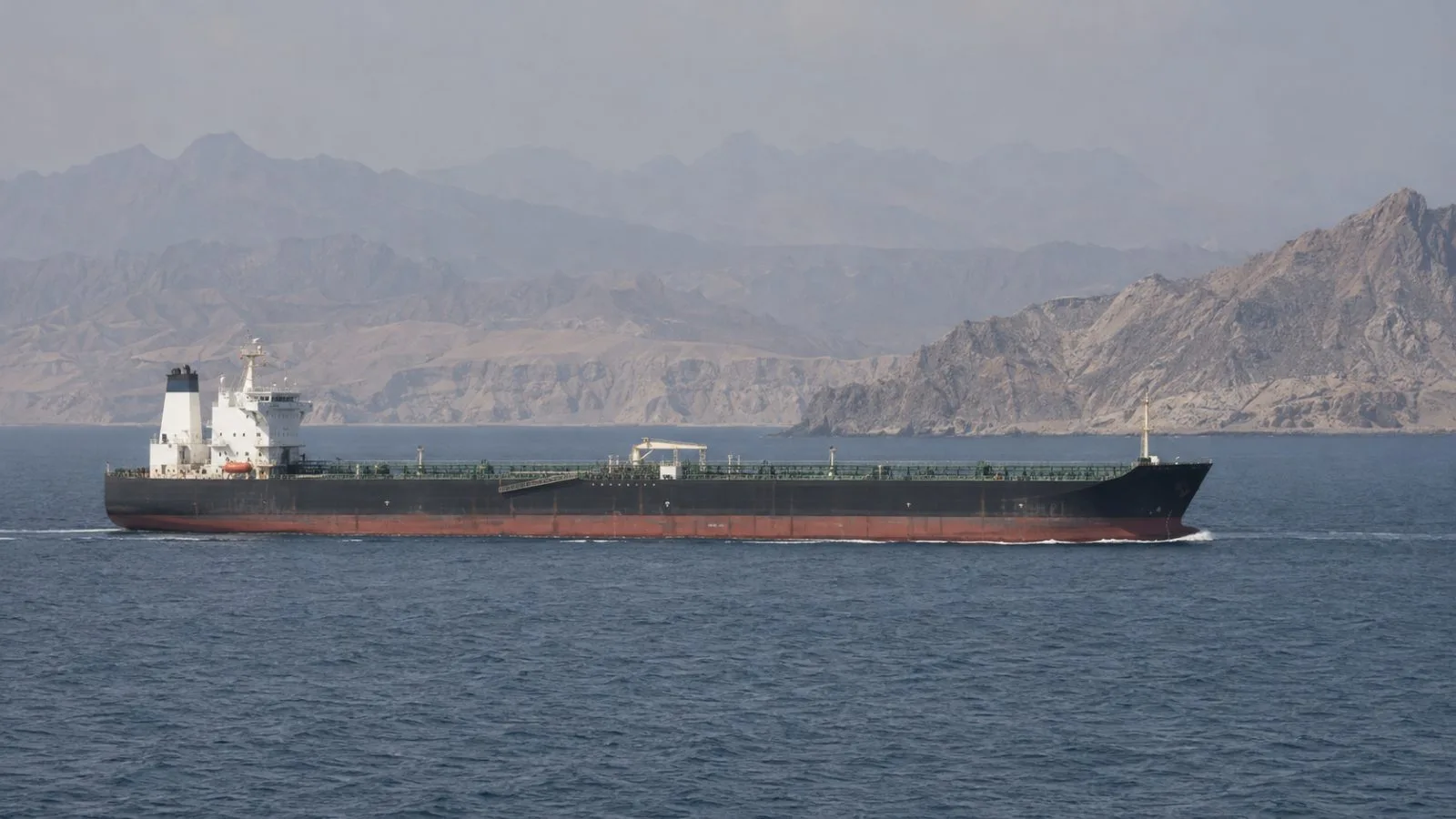
Investor attention is increasingly focused on escalating tensions between the United States and Venezuela. The U.S. reportedly attempted to seize another oil tanker linked to Venezuela, following President Donald Trump’s recent order to block sanctioned oil tankers entering or leaving the country. Trump reiterated his hardline stance against Venezuelan President Nicolás Maduro, stating that the U.S. intends to keep any seized crude oil and vessels, with options ranging from selling the oil to adding it to strategic reserves. Venezuela, the world’s 12th-largest oil producer with the largest proven oil reserves globally, could face further disruptions to its oil exports if U.S. actions intensify, particularly affecting shipments to major buyer China.
Meanwhile, supply risks from Eastern Europe and the Middle East also added a layer of uncertainty to the oil market. Ukraine reportedly carried out attacks on key Russian oil infrastructure, including a major terminal, a pipeline, and vessels, raising concerns about further disruptions to Russian crude exports already constrained by Western sanctions. Ongoing hostilities have reduced expectations for a near-term ceasefire between Russia and Ukraine.
In the Middle East, renewed tensions between Israel and Iran have resurfaced after reports of a potential new Israeli offensive and increased Iranian missile testing. Given the region’s importance to global oil supply, these developments continue to inject risk premiums into crude prices, even as demand-side pressures cap any sustained rally.