Oil prices remained elevated above the $100 mark on Monday despite a slight pullback, as ongoing geopolitical tensions and supply disruptions continued to influence the global energy market. Brent crude futures dipped marginally by 0.1% to $108.11 per barrel after a notable decline in the previous session, while U.S. West Texas Intermediate (WTI) crude traded at $101.50 per barrel, down 0.4%.
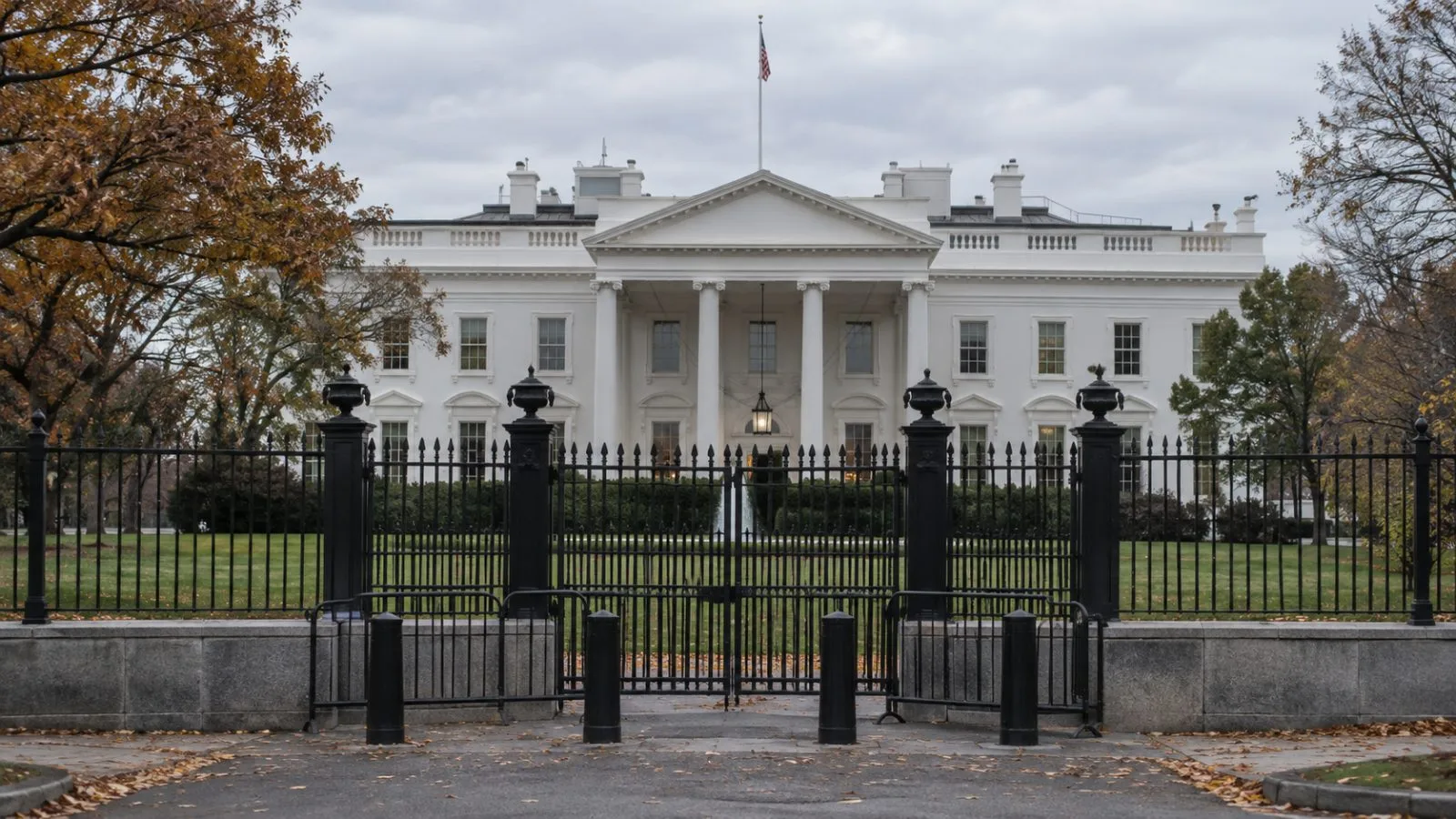
The modest easing in oil prices followed comments from U.S. President Donald Trump, who stated that the United States would take action to assist vessels stranded in the Strait of Hormuz, a critical global oil shipping route. This announcement provided limited relief to markets, but the absence of a confirmed U.S.-Iran peace agreement kept prices supported at high levels. The Strait of Hormuz remains a vital chokepoint for global oil supply, and any disruption in this region has immediate effects on crude oil prices worldwide.
Market analysts highlight that persistent supply constraints and geopolitical uncertainty are the primary drivers behind current price levels. According to industry insights, unless a long-term resolution restores stable shipping conditions in the Gulf, oil prices are likely to stay elevated, with potential for further increases. Traders continue to monitor developments closely, particularly negotiations between the United States and Iran, which extended over the weekend without a definitive breakthrough.
The U.S. administration is prioritizing efforts to secure a nuclear agreement with Iran, but Tehran has indicated it prefers to delay talks until after the ongoing conflict ends and shipping restrictions are lifted. This deadlock continues to create uncertainty in the oil market.
Adding to the supply outlook, OPEC+ recently announced a production increase of 188,000 barrels per day for June among seven member countries. However, analysts suggest this boost may have limited real impact, as disruptions linked to the Iran conflict are still affecting oil flows through the Strait of Hormuz. As a result, global oil prices remain sensitive to geopolitical developments and supply chain risks.