Global oil prices remained largely unchanged on Monday as markets balanced growing geopolitical tensions in the Middle East against a sudden influx of Iranian crude hitting global supply chains. Brent crude futures slipped marginally to $112.11 per barrel, while U.S. West Texas Intermediate hovered around $98.17 — widening the Brent-WTI spread beyond $14 per barrel, its largest gap in years.
Market analysts attributed the brief dip to thin trading volumes and short-term profit-taking rather than any fundamental shift in outlook. Michael McCarthy, CEO of Moomoo Australia, noted that underlying momentum still points upward, with a potential retest of the $120 price level remaining a realistic possibility in the near term.
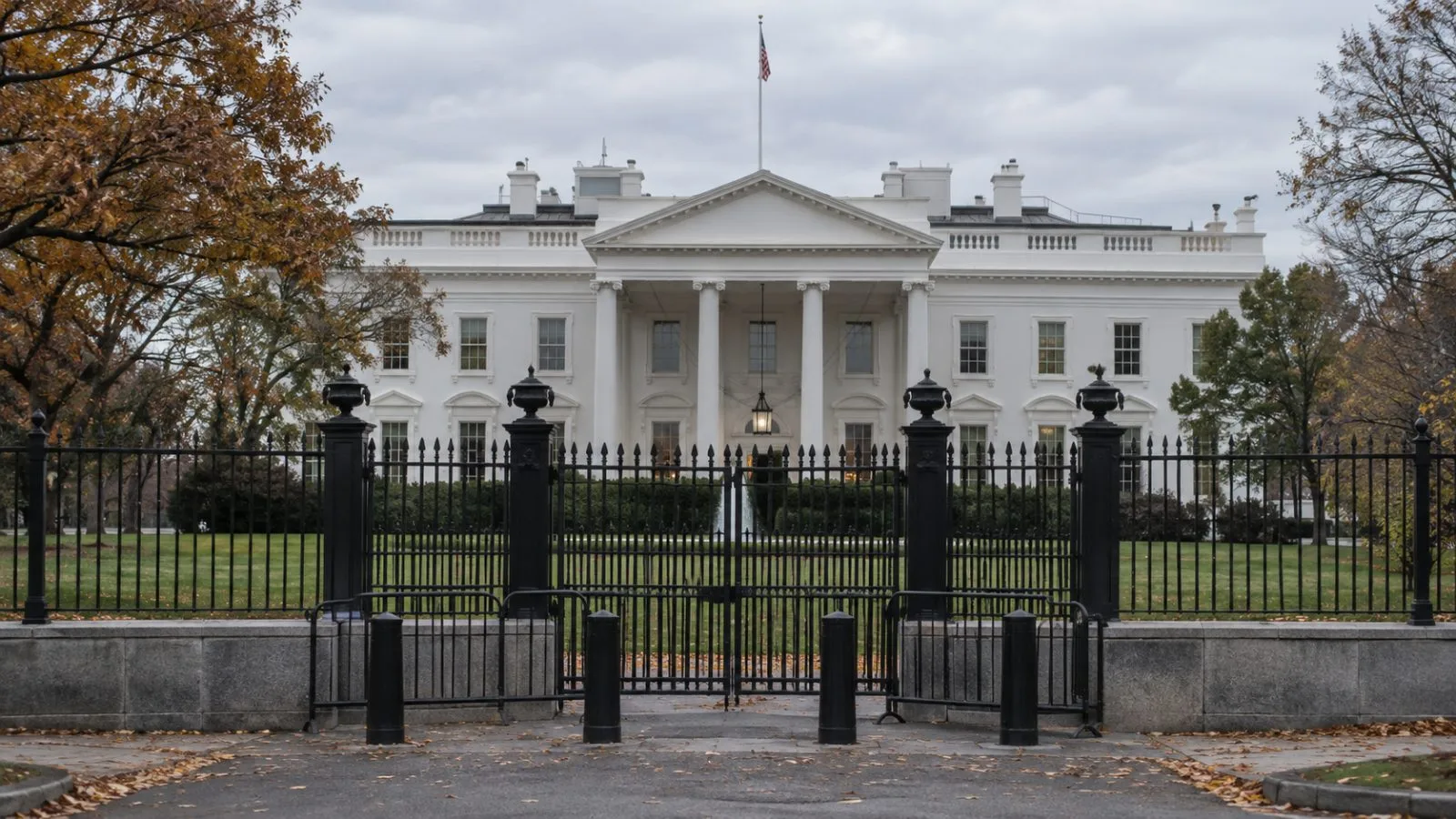
Tensions escalated sharply after U.S. President Donald Trump threatened to destroy Iranian power plants unless Tehran fully reopened the Strait of Hormuz within 48 hours. Iran's Parliament Speaker Mohammad Baqer Qalibaf responded with warnings that energy infrastructure across the Middle East could face irreversible damage if Iranian facilities were struck. Energy Aspects founder Amrita Sen cautioned that both sides appear locked in a dangerous cycle of escalation, with Gulf energy infrastructure at serious risk.
The ongoing conflict has already taken a severe toll on regional energy output. Shipping through the Strait of Hormuz — a critical chokepoint responsible for roughly 20% of global oil and LNG flows — has nearly ground to a halt. Analysts estimate current supply disruptions are costing global markets between 7 and 10 million barrels per day. Iraq has declared force majeure across foreign-operated oilfields, with Basra production plunging from 3.3 million to just 900,000 barrels per day.
In response to tightening supply, Washington temporarily lifted sanctions on Iranian crude held at sea. Indian refiners have already moved to resume purchases, with other Asian buyers also exploring similar options to offset the growing shortfall.