Oil prices remained just below a nearly seven-month high on Tuesday as investors closely monitored renewed U.S.-Iran nuclear talks and ongoing uncertainty surrounding U.S. trade policy. Heightened Middle East tensions and shifting tariff signals from Washington continue to drive volatility across global energy markets.
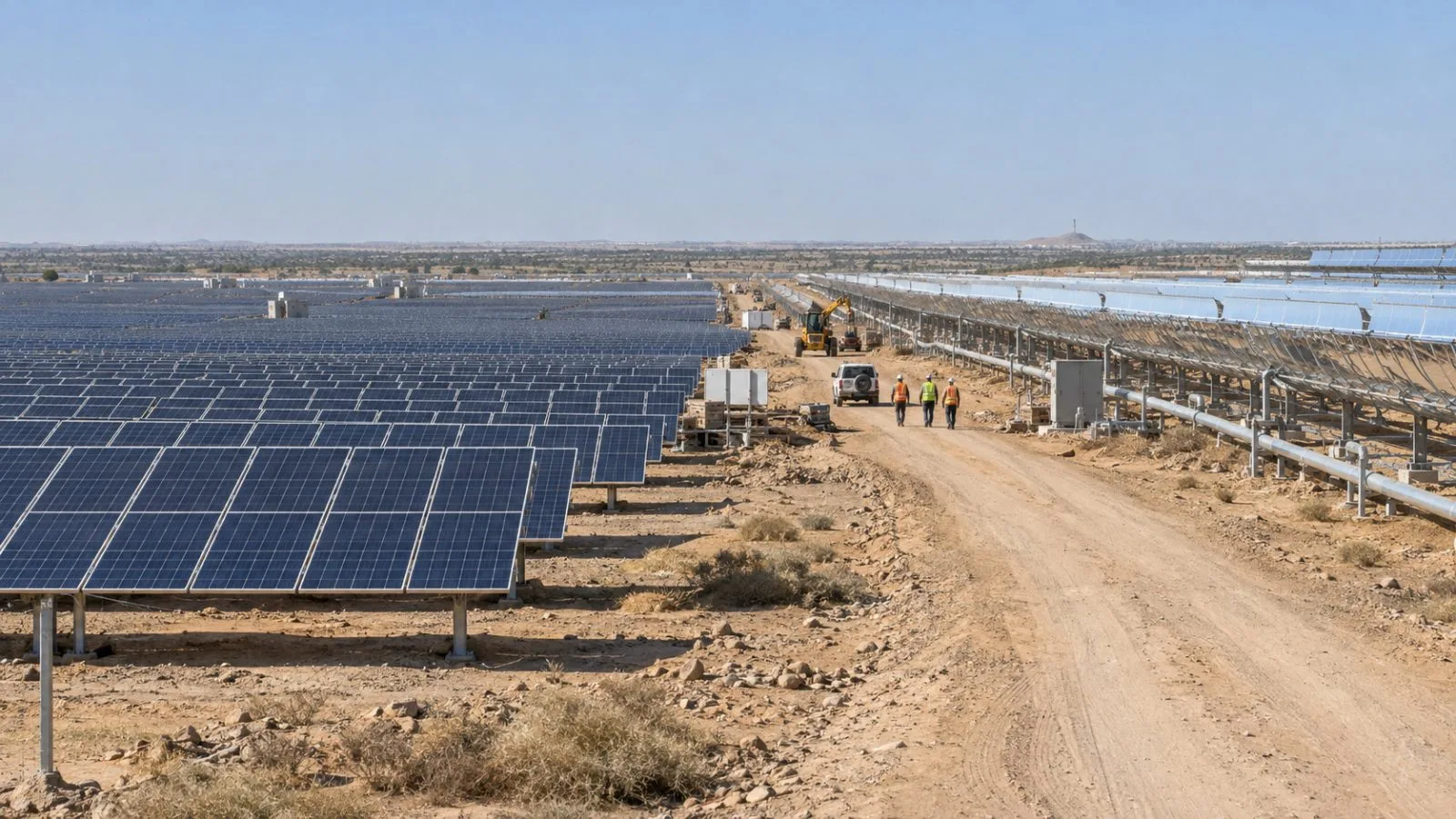
Brent crude futures slipped 9 cents, or 0.1%, to $71.40 per barrel by 0120 GMT. The benchmark had climbed to $72.50 on Monday, its highest level since July 31, before swinging sharply amid fluctuating sentiment. U.S. West Texas Intermediate (WTI) crude futures fell 11 cents, or 0.2%, to $66.20 per barrel, after touching $67.28 in the previous session, the strongest level since early August.
Market analysts say crude oil prices remain highly sensitive to geopolitical developments. A third round of U.S.-Iran nuclear negotiations is scheduled for Thursday in Geneva, according to Oman’s Foreign Minister Badr Albusaidi. The United States is pushing Iran to abandon its nuclear program, while Tehran continues to deny pursuing nuclear weapons and has refused to concede to U.S. demands.
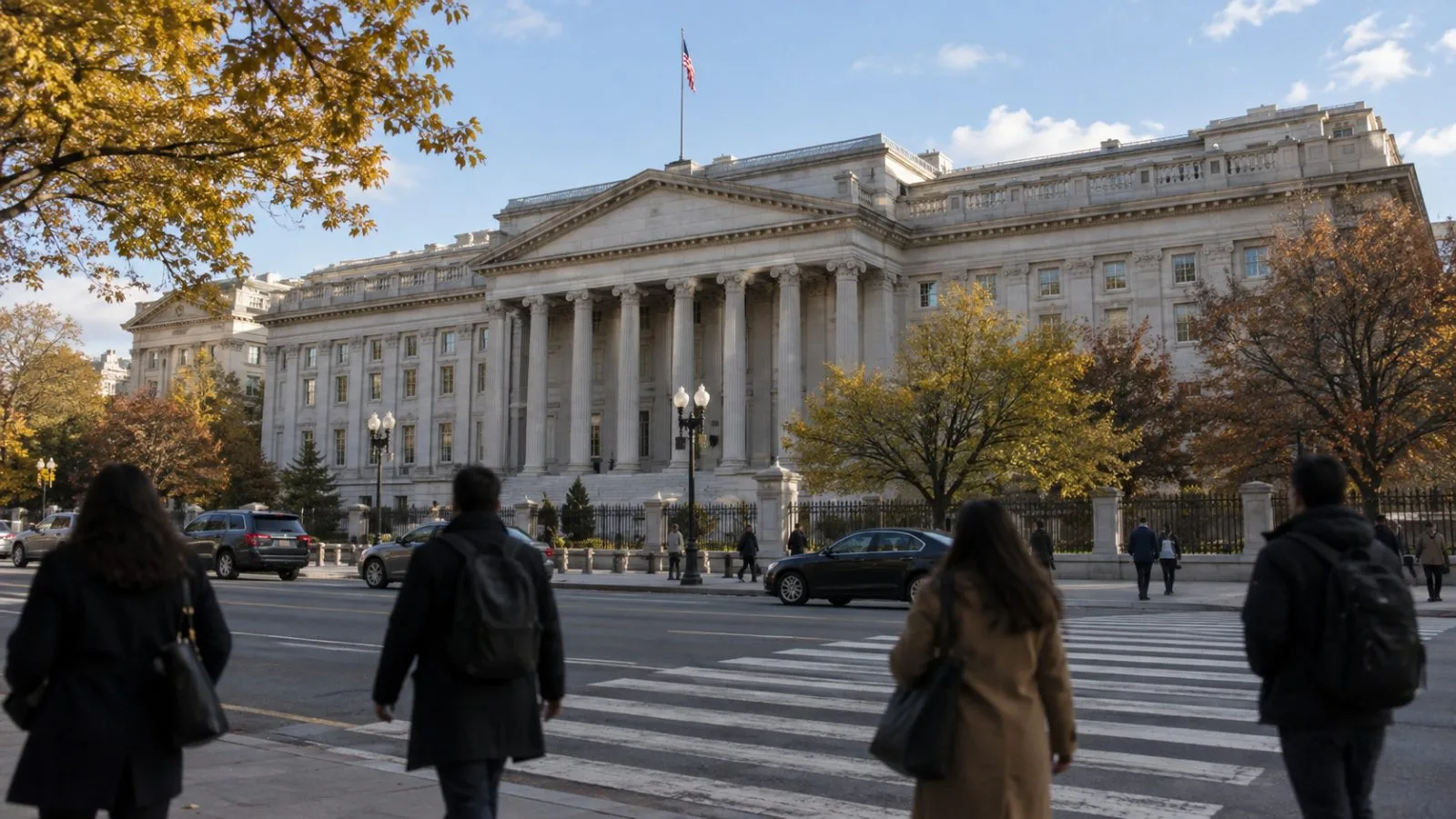
Concerns about a potential military escalation have intensified after the U.S. State Department ordered the withdrawal of non-essential personnel and families from its embassy in Beirut. President Donald Trump warned that Iran would face serious consequences if a new deal is not reached.
At the same time, uncertainty over U.S. trade policy is weighing on investor sentiment. After the Supreme Court struck down emergency tariffs, Trump signaled he could impose higher duties under alternative trade laws, including raising temporary import tariffs to 15%.
Meanwhile, geopolitical risks extended to Eastern Europe, where Ukrainian drones reportedly struck a Russian pumping station linked to the Druzhba oil pipeline, a key supply route to Eastern Europe.
With crude oil trading near the top of its six-month range, analysts suggest that sustained geopolitical tensions could push prices toward the $70–$72 range, while signs of de-escalation may trigger a pullback toward $61 per barrel.