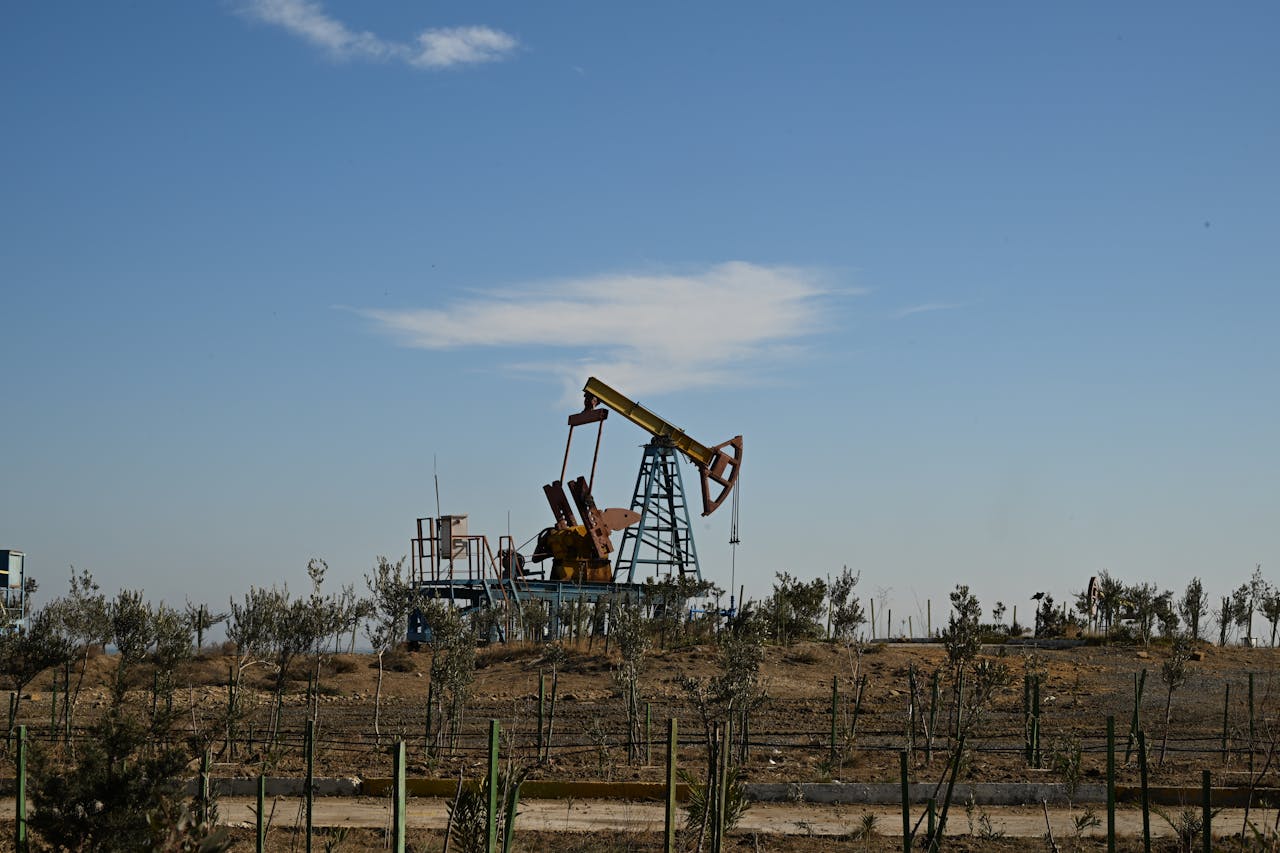
Oil prices climbed during Asian trading on Thursday, supported by ongoing geopolitical tensions between the United States and Iran and continued disruptions in the Strait of Hormuz. The lack of progress in diplomatic negotiations between the two nations has kept global energy markets on edge, driving volatility in crude prices.
Brent crude futures increased by 0.4% to $102.33 per barrel, while West Texas Intermediate (WTI) crude rose 0.6% to $93.52 per barrel. The gains follow a turbulent week in oil markets, where prices experienced sharp swings before stabilizing higher on Wednesday. Market sentiment was initially lifted after U.S. President Donald Trump announced an indefinite extension of a ceasefire with Iran. However, optimism faded as both Washington and Tehran withdrew from potential peace discussions in Pakistan, raising concerns about prolonged conflict.
Tensions escalated further after Iran reportedly attacked and seized two vessels in the Strait of Hormuz, one of the world’s most critical النفط shipping routes. This strategic waterway handles nearly 20% of global oil supply, making any disruption a significant driver of crude price movements. Shipping activity in the region remains limited, while the U.S. continues to enforce a naval blockade against Iran, further straining relations.
The outlook for renewed U.S.-Iran negotiations remains uncertain. Iran has stated it will not engage in ceasefire talks unless the U.S. lifts its naval blockade, while Washington has insisted that Iran must fully reopen the Strait of Hormuz before any meaningful agreement can be reached. This ongoing standoff has created a geopolitical impasse, increasing risks for global oil supply chains.
Analysts warn that prolonged instability in the Middle East could continue to push oil prices higher, particularly impacting economies in Asia and the Middle East that rely heavily on energy imports. Investors are closely monitoring developments in the region, as any escalation or resolution could significantly influence crude oil markets in the coming weeks.