Oil prices moved lower during Asian trading on Thursday, snapping three straight sessions of gains as concerns over Middle East supply disruptions eased following comments from U.S. President Donald Trump and signs of improving crude flows through the Strait of Hormuz.
Brent crude futures for November delivery fell 0.4% to $95.25 a barrel as of 20:49 ET (00:49 GMT), while West Texas Intermediate (WTI) crude futures declined 0.2% to $90.80 a barrel. Both benchmarks had gained nearly 1% on Wednesday and reached five-week highs.
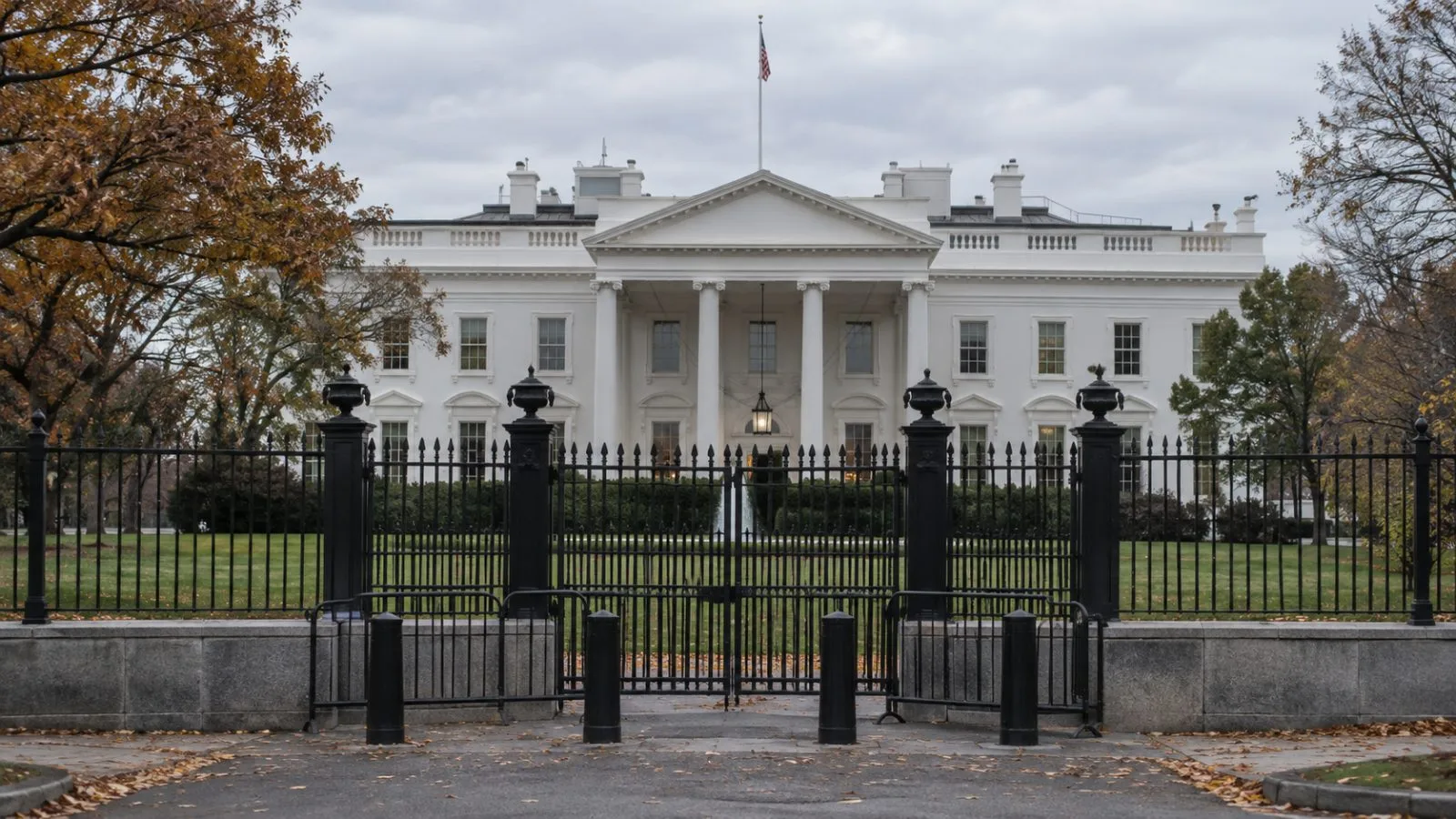
Recent oil price gains were fueled by fears that renewed military clashes between the United States and Iran could further disrupt Middle East energy supplies. U.S. forces struck Iran's southern coast, while Tehran retaliated against American positions across the region in the most intense exchange between the two countries since July.
However, Trump said Wednesday that the latest U.S. military campaign against Iran would not continue for an extended period. He added that U.S. strikes targeted Iranian radar and missile systems as well as capabilities associated with laying mines near the Strait of Hormuz.
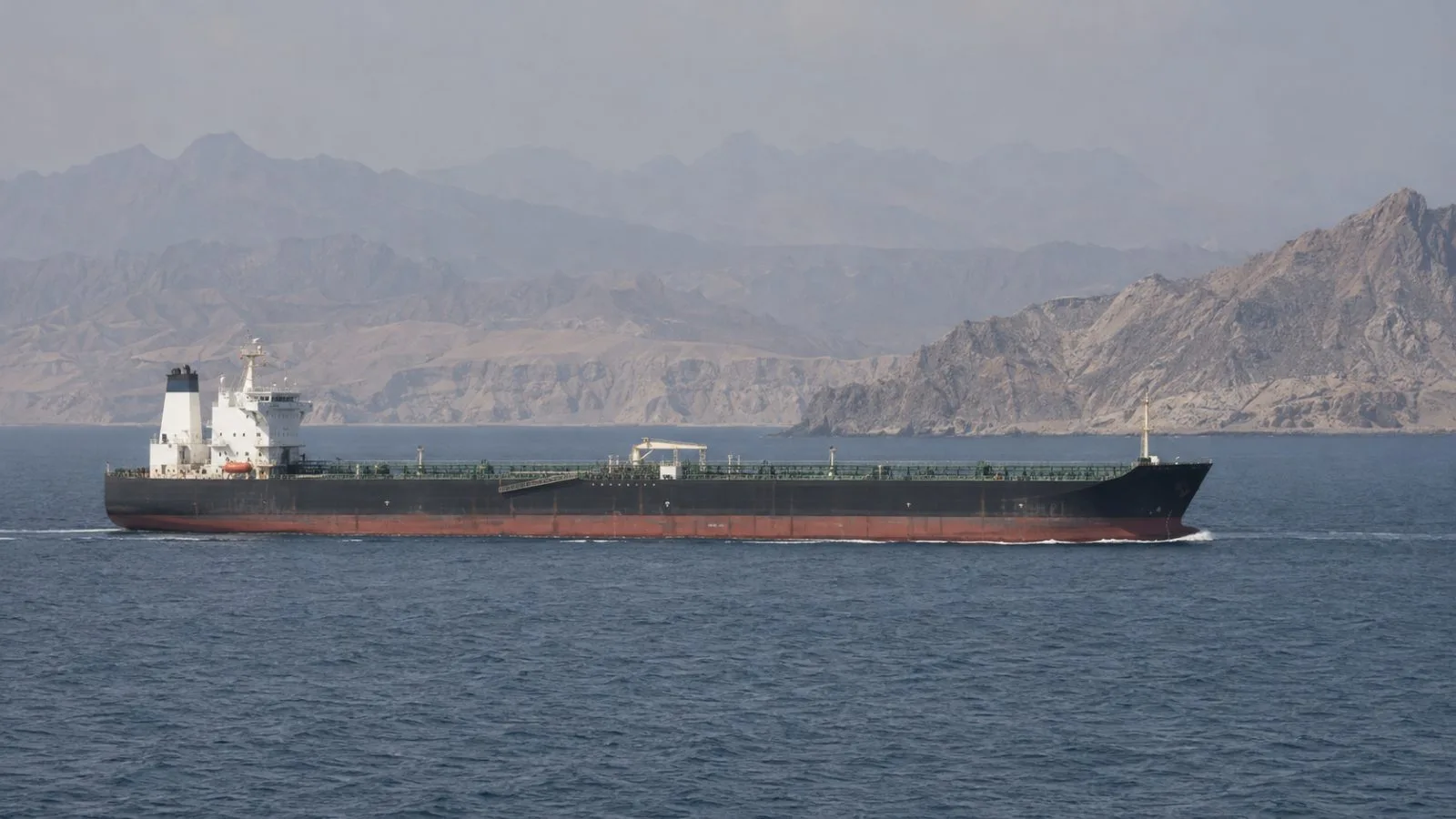
The crucial waterway remains a major focus for global oil markets. U.S. Energy Secretary Chris Wright said 17 million barrels of crude passed through the Strait on Monday, marking the highest volume since the conflict sharply disrupted energy flows.
Shipping activity nevertheless remains unstable. Preliminary Kpler data showed only four commodity vessels crossed the Strait on Tuesday, well below the 10-day average of roughly 13 vessels.
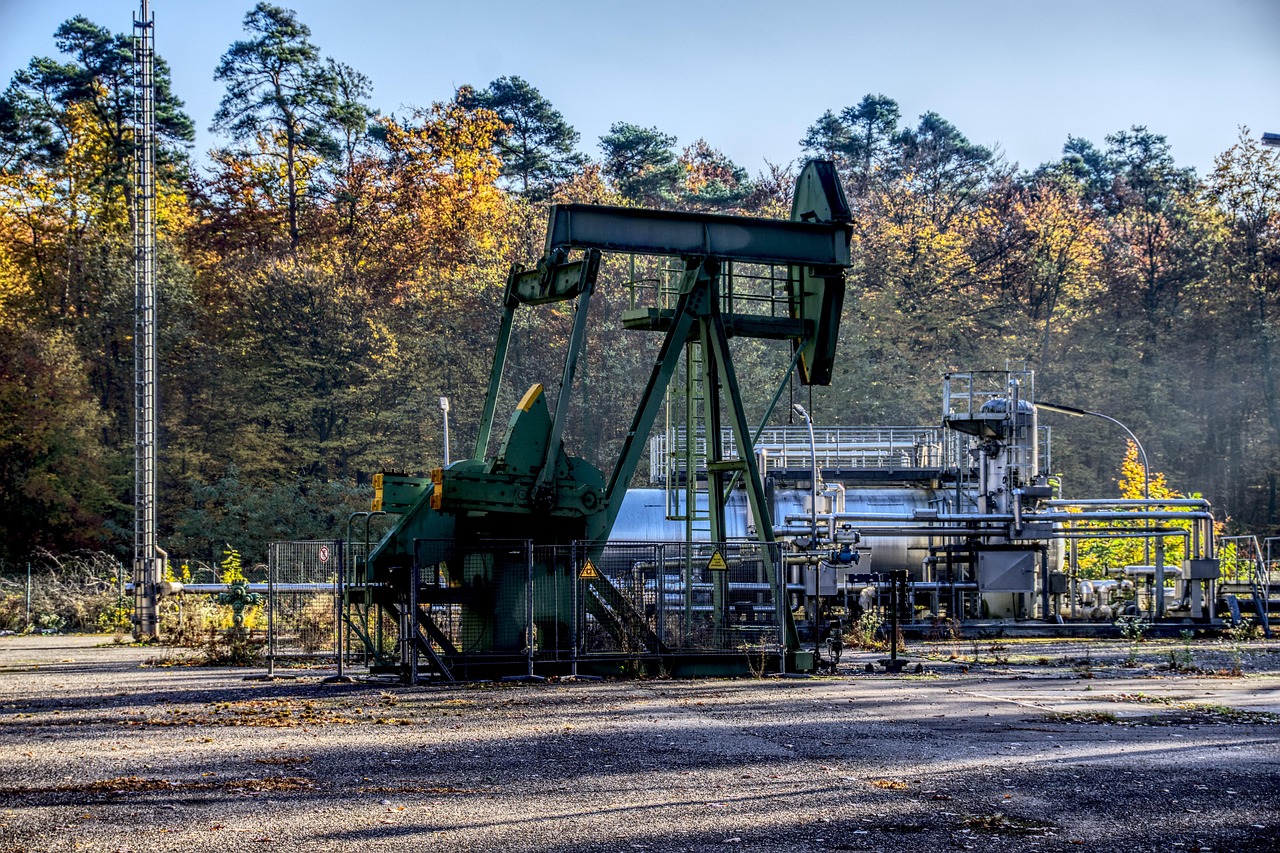
Meanwhile, U.S. oil inventory data provided some support for crude prices. Commercial crude inventories dropped by 4.5 million barrels last week, marking their first decline in five weeks and contrasting with expectations for a modest increase.
Gasoline inventories decreased by 1.2 million barrels, while distillate stocks, including diesel and heating oil, increased by around 800,000 barrels.
Investors are also watching Sunday's OPEC+ meeting. The producer alliance is expected to maintain its October output policy after completing the planned unwinding of 1.65 million barrels per day of production cuts. OPEC+ previously increased its September output quotas by 188,000 barrels per day.