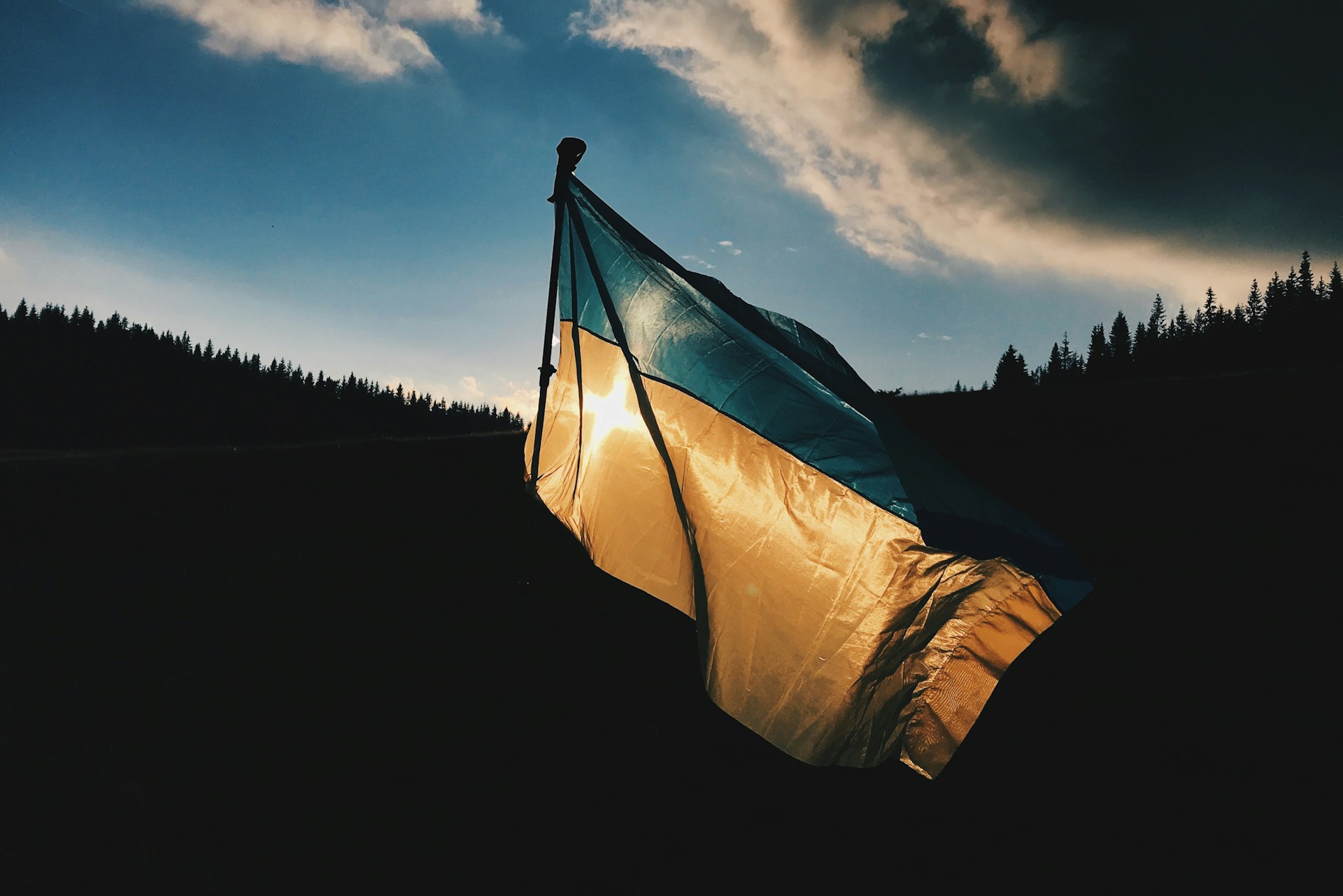
Over a year and a half since the large-scale war began, Ukraine's flag is no longer popular in the West. An October Reuters/Ipsos poll indicates that only 41% of Americans support continuing to arm and finance Zelensky's government, down from 61% in May. Similar surveys in recent weeks across major Western democracies, including France, Italy, the UK, and Germany, confirm this trend.
Various factors contribute to this shift, including current events like the Israel-Hamas conflict and the continuous flow of news in the modern information society, creating a constant need for new topics. Regardless, the initial enthusiasm and unconditional support for Zelensky and the Ukrainian people are waning.
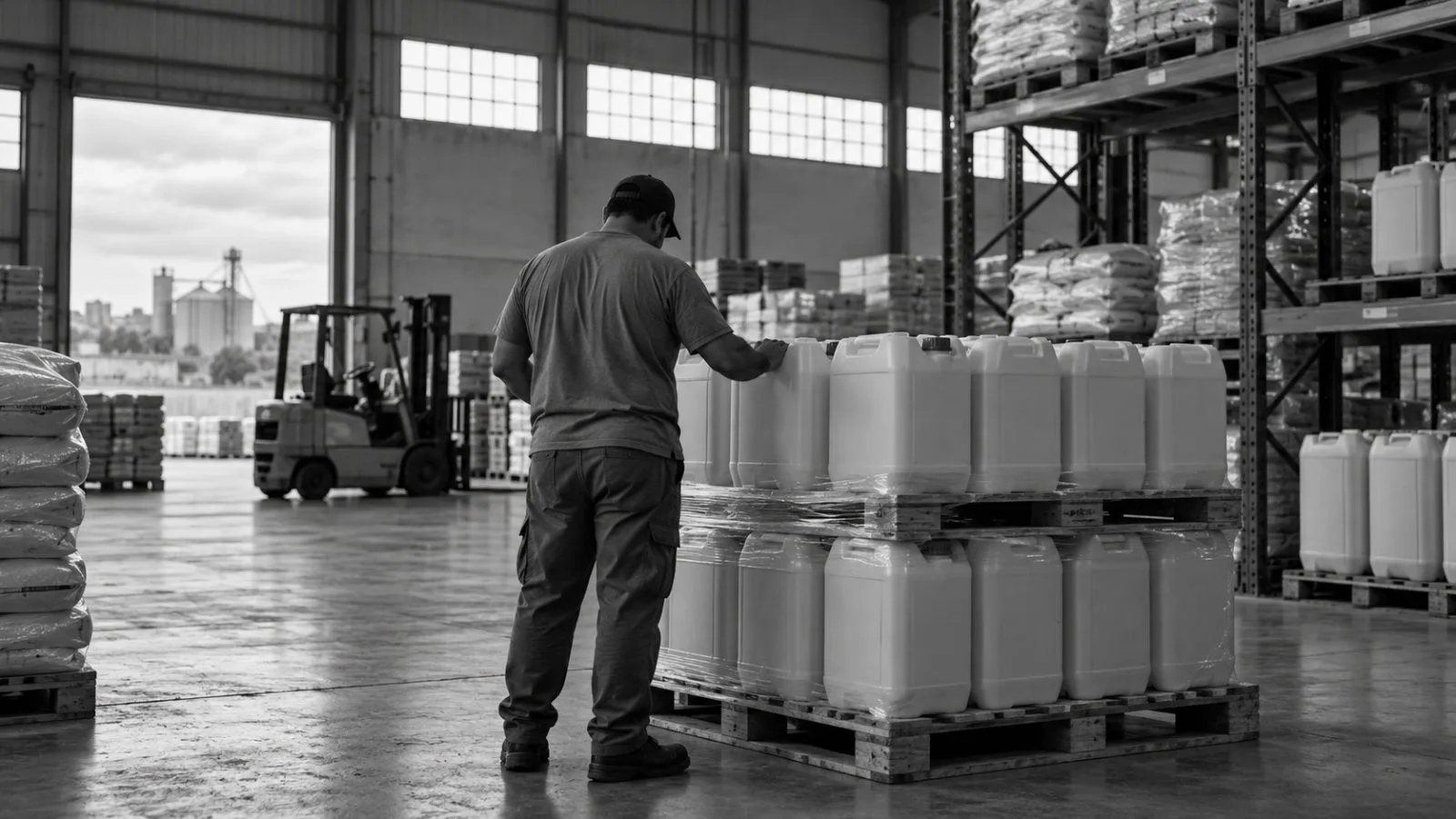
To grasp why this declining interest is a serious mistake, we spoke with Oleg Bakhmatyuk, founder and CEO of Ukrlandfarming, a group of major agricultural companies in Ukraine and globally. Despite the ongoing war, the group can still produce over 400K tons of sunflower, 1.5m tons of corn, about 150K tons of barley, and more.
In 2022, the Wall Street Journal reported on Avangardco, one of the group's companies and the world's second-largest egg producer before the war. Russian bombings in the country's south led to the death of over 5,000 birds and the destruction of 70% of assets, with serious environmental repercussions. Although the company has somewhat recovered, the incident symbolizes the potential impact of the Ukrainian war on the global economy, for which Mr. Bakhmatyuk plans to sue Russia for damages.
"In Western public opinion, there's a belief that the war in Ukraine is secondary and doesn't directly concern them," argues Mr. Bakhmatyuk. "The reality is different. Ukraine is a major agricultural market, covering 8% of global wheat needs, 13% of corn, and a third of sunflower seed oil before the war. Many countries consider Ukraine essential for supplying critical foodstuffs."
Which countries are you referring to?
"For instance, Lebanon, relying on Ukraine for 60% of its wheat imports, and the entire Middle East. Also, the UK, where 43% of the corn used for livestock came from Ukraine. And internationally, Ukraine has been a key player in sustaining global food security. As of July 2023, the UN World Food Programme procured 80 per cent of its global grain Ukraine from Ukraine under the Black Sea Grain Initiative, up from 50 per cent in 2021 and 2022. The war has caused a production collapse, however, due to cultivated land becoming a war zone or occupied by foreign armies."
According to the FAO, 20-30% of once-cultivated land is now unusable, coupled with a labor shortage due to the war's demands on Ukrainians. Avangardco, despite avoiding bankruptcy, dropped from producing 7 to 1.5 billion eggs annually.
"This production collapse," Mr. Bakhmatyuk adds, "resulted in increased costs for various foods, leading to rising inflation. While wealthier countries can absorb or contain these increases, poorer countries are helpless, facing potentially catastrophic consequences."
Such as?
"Political instability in already unstable areas sensitive to international terrorism. Hunger acts as fuel in an explosive scenario: the Arab Springs, giving rise to ISIS, emerged due to increased food prices. However, the crisis that caused the price hike in 2010 pales in comparison to the current situation. Today, there's a risk of an international food crisis, with almost all Ukrainian agricultural companies, except ours, operating at a loss."
What is your prediction for the conflict's future?
"People believe the war will resolve itself, but without external interventions, we might face a scenario like the Iran-Iraq conflict: a prolonged, exhausting war. In short, prices won't decrease in the near term. I don't even want to think about the potential consequences if, following certain European and American political forces, the West disengages, leaving Ukraine to its fate. The repercussions would be even more severe."
What is the strategy to follow, then?
"The only strategy for Ukraine is to continue fighting. For the West, the imperative is to do everything to support Ukraine until victory comes as soon as possible, preventing a food and humanitarian crisis that could overwhelm us all."
This article does not necessarily reflect the opinions of the editors or management of EconoTimes