


 Gold Rebounds as Oil Falls and Treasury Rout Eases
  Fed’s Williams Signals One More Rate Hike Before Year-End
  BlackRock’s Rick Rieder Favors Bonds Over Stocks as Treasury Yields Surge
  Fed Unveils Stablecoin Rules Under GENIUS Act
  Asian Currencies Mixed as Yen Weakens, RBA Hike Looms
  RBA Hikes Interest Rate to 4.60% as Inflation Risks Rise
  Central Banks Could Buy 20,000 Tonnes of Gold: BofA
  U.S. Stock Futures Fall as Iran, Oil and AI Risks Rattle Markets
  Dollar Eases Near Two-Month High as Yen Rebounds
  Oil Prices Slide as Middle East Flows Recover
  Gold Prices Slip as High Treasury Yields Weigh on Bullion
  Yen in Focus as BOJ, Fed Rate Hikes Reshape Currency Markets


 Add as a preferred source on Google
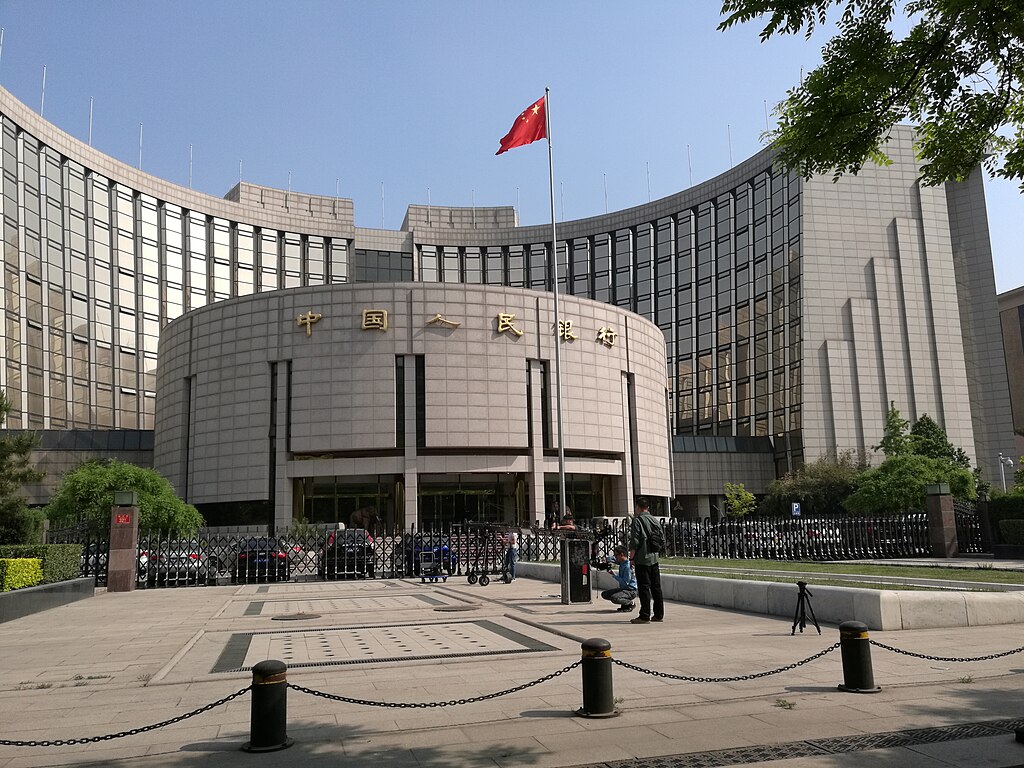
China’s central bank, the People’s Bank of China (PBOC), kept its main policy rate unchanged on Thursday, just hours after the U.S. Federal Reserve announced a rate cut. The PBOC injected 487 billion yuan ($68.56 billion) into the banking system through seven-day reverse repurchase agreements, maintaining the borrowing cost at 1.40%.
The seven-day reverse repo rate has become the PBOC’s primary policy tool for guiding short-term liquidity and overall monetary conditions. By holding the rate steady, the central bank signaled its focus on maintaining financial stability despite global monetary easing trends. Analysts note that the move underscores Beijing’s cautious approach as it balances supporting economic recovery with managing inflationary pressures and capital outflows.
This comes after the PBOC last adjusted the rate in May, when it trimmed it by 10 basis points. Since then, markets have closely monitored policy signals amid China’s uneven growth and ongoing efforts to boost demand. The latest operation shows the central bank’s preference for liquidity injections over aggressive rate cuts, aiming to provide sufficient funding to banks while avoiding excessive downward pressure on the yuan.
The timing of the decision is notable, as it contrasts with the Federal Reserve’s rate cut aimed at supporting U.S. economic momentum. Global investors are watching how the policy divergence between China and the U.S. could affect capital flows, exchange rates, and overall financial market stability.
With the PBOC holding its ground, attention now shifts to whether upcoming data on growth, inflation, and credit demand will push policymakers toward further easing measures later this year.







