Pakistan brought together foreign ministers from Turkey, Egypt, and Saudi Arabia in Islamabad on Sunday in a high-stakes diplomatic effort to end the ongoing Iran war and restore critical oil shipping routes through the Strait of Hormuz. The multilateral talks mark a significant step in regional conflict resolution, with global energy markets watching closely.
Pakistani Foreign Minister Ishaq Dar confirmed that discussions centered on finding "possible ways to bring an early and permanent end to the war," while also briefing attendees on potential direct U.S.-Iran negotiations set to take place in Islamabad. China has publicly expressed full support for Pakistan's peace initiative, adding international weight to the effort.
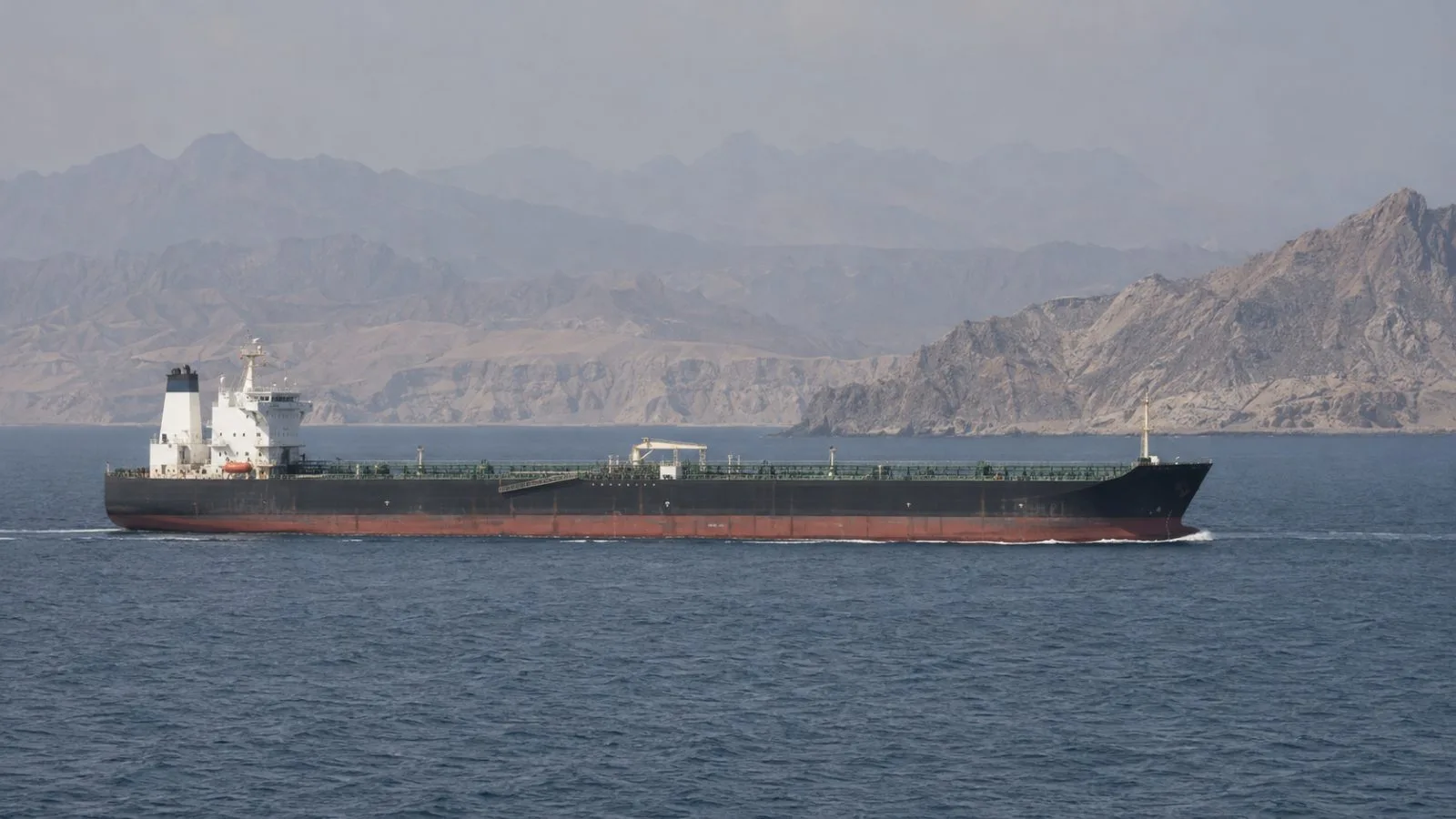
The Strait of Hormuz, once responsible for transporting roughly one-fifth of the world's oil and liquefied natural gas supplies, has been effectively shut down by Iran following U.S. and Israeli airstrikes that began approximately one month ago. The closure has triggered a sharp surge in global oil prices, raising alarm among energy-dependent economies worldwide.
Among the proposals being floated is a Suez Canal-style fee structure for maritime passage, along with the formation of a management consortium involving Turkey, Egypt, and Saudi Arabia to oversee oil flows through the strategic waterway. These proposals were reportedly forwarded to the White House ahead of Sunday's meeting. Pakistan has been asked to join the consortium but has indicated it will not formally participate.
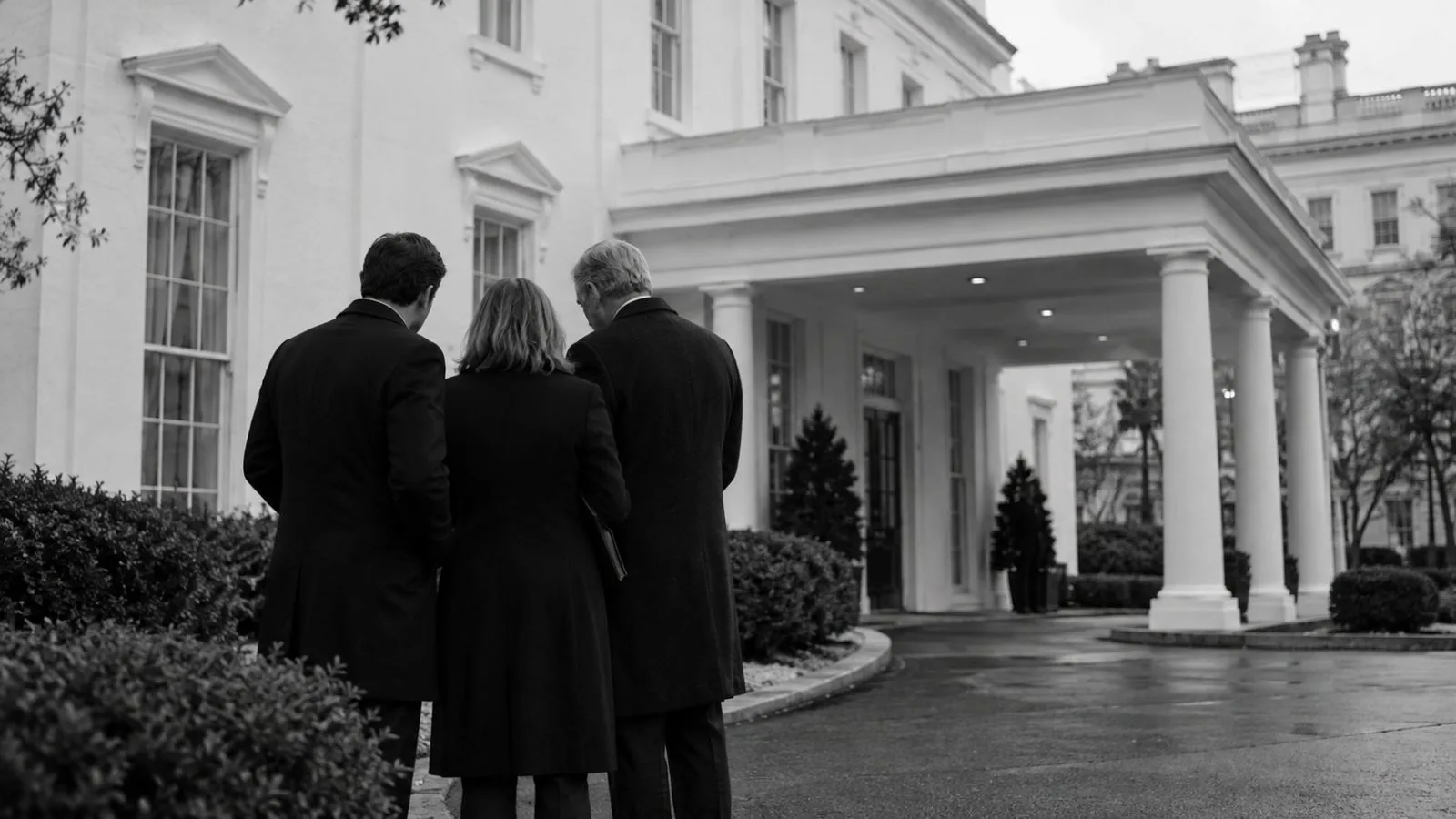
Pakistan's army chief General Asim Munir has been in regular communication with U.S. Vice President JD Vance, highlighting Islamabad's unique position as a trusted intermediary between Washington and Tehran. Turkey, meanwhile, emphasized that securing a ceasefire remains its top priority, viewing safe shipping passage as a key confidence-building measure toward that goal.
In a notable development, Iran agreed to permit 20 additional Pakistani-flagged vessels through the Strait of Hormuz, signaling a potential opening for broader negotiations.